Kirjahaku
Etsi kirjoja tekijän nimen, kirjan nimen tai ISBN:n perusteella.
14 kirjaa tekijältä R. Smith
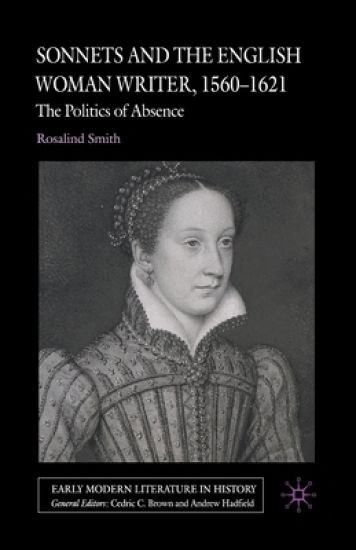
This study explores why women in the English Renaissance wrote so few sonnet sequences, in comparison with the traditions of Continental women writers and of English male authors. In this focus on a single genre, Rosalind Smith examines the relationship between gender and genre in the early modern period, and the critical assumptions currently underpinning questions of feminine agency within genre.

This study explores why women in the English Renaissance wrote so few sonnet sequences, in comparison with the traditions of Continental women writers and of English male authors. In this focus on a single genre, Rosalind Smith examines the relationship between gender and genre in the early modern period, and the critical assumptions currently underpinning questions of feminine agency within genre.

Pop Culture Sucks, Manifesto of a Vampire
R. Smith
Createspace Independent Publishing Platform
2013
nidottu




April aka Diamond realizes the people that she's trusted with her life are after just that, but all things aren't as they seem. Streets smarts don't necessarily work out in these players favor.
Bella, A lost young girl trying to find who she really is after being hurt most of her life by the people who were supposed to LOVE her. Finding yourself can be the hardest thing to do.
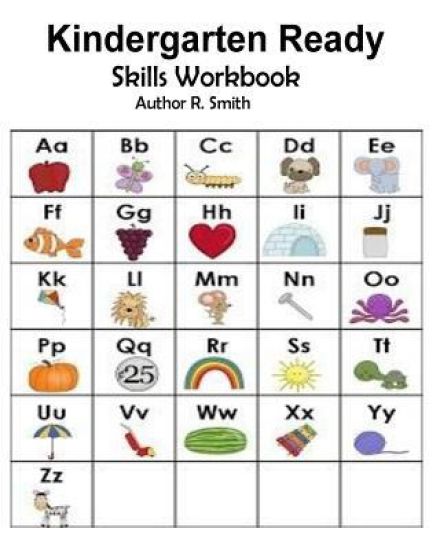
Kindergarten Ready: Skills Workbook: Skills and Activity Book
R. Smith
Createspace Independent Publishing Platform
2017
nidottu
Regina Smith has been writing children educational books for 10 years. She is a registered nurse with a minor in Psychology. She is an Advocate for "Teach the Children", advocating Home Schooling using Jean Piaget module of early childhood education and the Critical Thinking Process. Jean Piaget (1896-1980), was a Swiss clinical psychologist recognized for his extensive work in early childhood development. Piaget argued that positions of knowledge are grown into and that children actively approach their environment and acquire knowledge through learning. He believed that knowledge and behavior were the results of one another and that we learn by environmental stimulus and experiences that result in adaptability, change, and accommodation (Cognitive Thinking). Thinking about thinking is how we think and what we think about as children while learning. Piaget believed that the process of thinking (Cognitive Thinking), and the intellectual development could be regarded as an extension of the behavioral process of adaptation. Meaning what we learn from our environment is a direct manifestation of our behaviors later. This workbook has been designed to give your child the basic foundation of the alphabets and basic math concepts, and then to build upon each foundation step by step the "Piaget" way.
Regina Smith has been writing children educational books for 10 years. She is a registered nurse with a minor in Psychology. She is an Advocate for "Teach the Children", advocating Home Schooling using Jean Piaget module of early childhood education and the Critical Thinking Process. Jean Piaget (1896-1980), was a Swiss clinical psychologist recognized for his extensive work in early childhood development. Piaget argued that positions of knowledge are grown into and that children actively approach their environment and acquire knowledge through learning. He believed that knowledge and behavior were the results of one another and that we learn by environmental stimulus and experiences that result in adaptability, change, and accommodation (Cognitive Thinking). Thinking about thinking is how we think and what we think about as children while learning. Piaget believed that the process of thinking (Cognitive Thinking), and the intellectual development could be regarded as an extension of the behavioral process of adaptation. Meaning what we learn from our environment is a direct manifestation of our behaviors later. This workbook has been designed to give your child the basic foundation of the alphabets and basic math concepts, and then to build upon each foundation step by step the "Piaget" way.