Kirjojen hintavertailu. Mukana 11 613 574 kirjaa ja 12 kauppaa.

Kirjahaku

Etsi kirjoja tekijän nimen, kirjan nimen tai ISBN:n perusteella.

8 kirjaa tekijältä R.L. Trask

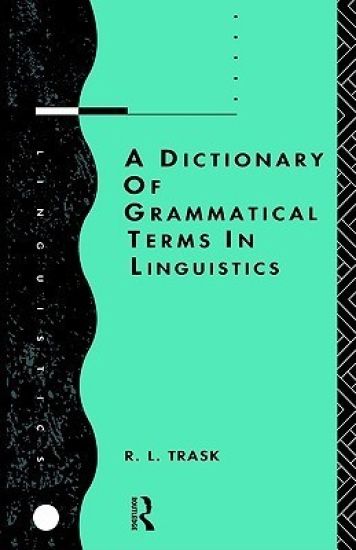
A Dictionary of Grammatical Terms in Linguistics
This dictionary of grammatical terms covers both current and traditional terminology in syntax and morphology. It includes descriptive terms, the major theoretical concepts of the most influential grammatical frameworks, and the chief terms from mathematical and computational linguistics. It contains over 1500 entries, providing definitions and examples, pronunciations, the earliest sources of terms and suggestions for further reading, and recommendations about competing and conflicting usages. The book focuses on non-theory-boumd descriptive terms, which are likely to remain current for some years. Aimed at students and teachers of linguistics, it allows a reader puzzled by a grammatical term to look it up and locate further reading with ease.
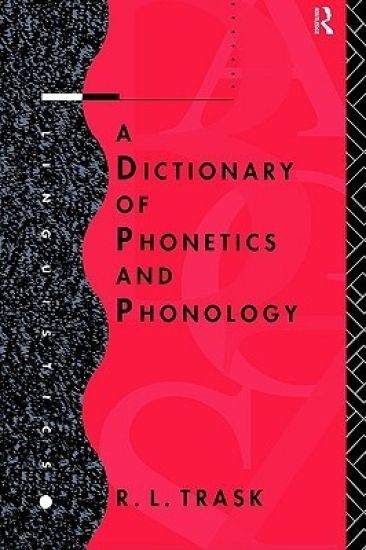
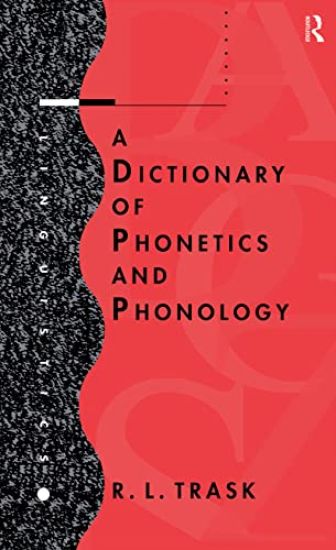
A Dictionary of Phonetics and Phonology
Written for students of linguistics, applied linguistics and speech therapy, this dictionary covers over 2,000 terms in phonetics and phonology. In addition to providing a comprehensive, yet concise, guide to an enormous number of individual terms, it also includes an explanation of the most important theoretical approaches to phonology. Its usefulness as a reference tool is further enhanced by the inclusion of pronunciations, notational devices and symbols, earliest sources of terms, suggestions for further reading, and advice with regard to usage. The wide range of topics explained include: * Classical phonology, including American Structuralism and the Prague School * Contemporary approaches, including Autosegmental Phonology, Metrical Phonology, Dependency Phonology, Government Phonology and Lexical Phonology * Prosodic ideas in phonology, both traditional and contemporary ^ * * historical phonology * Intonation and tonology This dictionary devotes space to the various theoretical approaches in proportion to their importance, but it concentrates most heavily on non-theory-bound descriptive terminology. It will remain a definitive reference for years to come.
Language: The Basics

Language: The Basics

R.L. Trask

Routledge
1999
nidottu
What makes human language unique?Do women speak differently from men?Just what is the meaning of "meaning"?Language: The Basics provides a concise introduction to the study of language. Written in an engaging and entertaining style, it encourages the reader to think about the way language works. It features:* chapters on 'Language in Use', 'Attitudes to Language', 'Children and Language' and 'Language, Mind and Brain'* a section on sign language* a glossary of key terms* handy annotated guides to further reading.Providing an accessible overview of a fascinating subject, this is an essential book for all students and anyone who's ever been accused of splitting an infinitive.
Language and Linguistics: The Key Concepts
A comprehensive and critical A-Z guide to the main terms and concepts used in the study of language and linguistics, definitions featured include:terms used in grammatical analysisbranches of linguistics from semantics to neurolinguisticsapproaches used in studying language from critical discourse analysis to systemic linguisticslinguistic phenomena from code-switching to conversational implicaturelanguage varieties from pidgin to standard language.This fully updated second edition includes a new introduction, a wide range of new entries (reflecting developments in linguistics) and added specialized further reading for lecturers and more advanced students.
Language and Linguistics: The Key Concepts
A comprehensive and critical A-Z guide to the main terms and concepts used in the study of language and linguistics, definitions featured include:terms used in grammatical analysisbranches of linguistics from semantics to neurolinguisticsapproaches used in studying language from critical discourse analysis to systemic linguisticslinguistic phenomena from code-switching to conversational implicaturelanguage varieties from pidgin to standard language.This fully updated second edition includes a new introduction, a wide range of new entries (reflecting developments in linguistics) and added specialized further reading for lecturers and more advanced students.
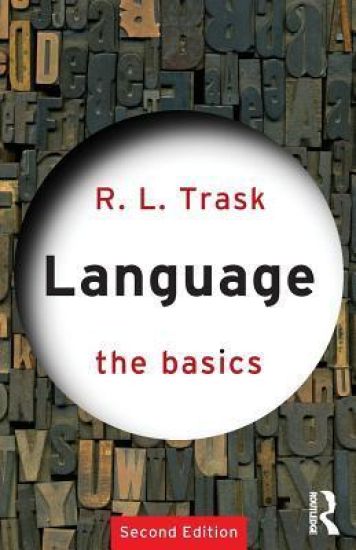
Language: The Basics

Language: The Basics

R.L. Trask

Routledge
2015
sidottu
What makes human language unique?Do women speak differently from men?Just what is the meaning of "meaning"?Language: The Basics provides a concise introduction to the study of language. Written in an engaging and entertaining style, it encourages the reader to think about the way language works. It features:* chapters on 'Language in Use', 'Attitudes to Language', 'Children and Language' and 'Language, Mind and Brain'* a section on sign language* a glossary of key terms* handy annotated guides to further reading.Providing an accessible overview of a fascinating subject, this is an essential book for all students and anyone who's ever been accused of splitting an infinitive.
A Dictionary of Grammatical Terms in Linguistics
This dictionary of grammatical terms covers both current and traditional terminology in syntax and morphology. It includes descriptive terms, the major theoretical concepts of the most influential grammatical frameworks, and the chief terms from mathematical and computational linguistics. It contains over 1500 entries, providing definitions and examples, pronunciations, the earliest sources of terms and suggestions for further reading, and recommendations about competing and conflicting usages. The book focuses on non-theory-boumd descriptive terms, which are likely to remain current for some years. Aimed at students and teachers of linguistics, it allows a reader puzzled by a grammatical term to look it up and locate further reading with ease.
A Dictionary of Phonetics and Phonology
Written for students of linguistics, applied linguistics and speech therapy, this dictionary covers over 2,000 terms in phonetics and phonology. In addition to providing a comprehensive, yet concise, guide to an enormous number of individual terms, it also includes an explanation of the most important theoretical approaches to phonology. Its usefulness as a reference tool is further enhanced by the inclusion of pronunciations, notational devices and symbols, earliest sources of terms, suggestions for further reading, and advice with regard to usage. The wide range of topics explained include: * Classical phonology, including American Structuralism and the Prague School * Contemporary approaches, including Autosegmental Phonology, Metrical Phonology, Dependency Phonology, Government Phonology and Lexical Phonology * Prosodic ideas in phonology, both traditional and contemporary ^ * * historical phonology * Intonation and tonology This dictionary devotes space to the various theoretical approaches in proportion to their importance, but it concentrates most heavily on non-theory-bound descriptive terminology. It will remain a definitive reference for years to come.