

Kirjahaku
Etsi kirjoja tekijän nimen, kirjan nimen tai ISBN:n perusteella.
10 kirjaa tekijältä Rachel Morris, Jenn Morris

This book is written to provide information and motivation to readers. Its purpose is not to render any type of psychological, legal, or professional advice of any kind. The content is the sole opinion and expression of the author, and not necessarily that of the publisher.

About the author: I am an optimistic person and like to see good in any circumstances. And I love to learn. I think it is exciting. I love to make people laugh when they are crying and give them a smile when they are sad. That's me.

**Business Book Awards 2025 Finalist****The People's Book Prize Longlisted Title 2024/25**When a working woman becomes a mother, she faces what can seem like an impossible dilemma: how can she continue to excel at work AND be a good mum? In the light of childcare costs, does it even make sense for many women to continue to work at all?Workplaces need women. And most women want to work – not just for financial security but for personal fulfilment and because their work can often be a key part of their identity.Working Mother offers simple, practical tools for each stage of this complex but rewarding life change, allowing you to become the coach you need by your side every step of the way.

**Business Book Awards 2025 Finalist****The People's Book Prize Longlisted Title 2024/25**When a working woman becomes a mother, she faces what can seem like an impossible dilemma: how can she continue to excel at work AND be a good mum? In the light of childcare costs, does it even make sense for many women to continue to work at all?Workplaces need women. And most women want to work – not just for financial security but for personal fulfilment and because their work can often be a key part of their identity.Working Mother offers simple, practical tools for each stage of this complex but rewarding life change, allowing you to become the coach you need by your side every step of the way.

Museum expert Rachel Morris had been ignoring the boxes under her bed for decades. When she finally opened them, an entire bohemian family history was laid bare. The experience was revelatory - searching for her absent father in the archives of the Tate; understanding the loss and longings of the grandmother who raised her - and transported her back to the museums that had enriched her lonely childhood. By teasing out the stories of those early museum makers, and the unsung daughters and wives behind them, and seeing the same passions and mistakes reflected in her own family, Morris digs deep into the human instinct for collection and curation. 'Rachel Morris is one of the smartest storytellers I have ever met... a wonderful and beguiling book' James Rebanks, author of The Shepherd's Life
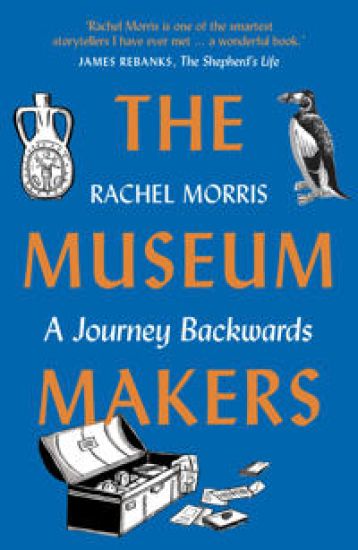
Museum expert Rachel Morris had been ignoring the boxes under her bed for decades. When she finally opened them, an entire bohemian family history was laid bare. The experience was revelatory - searching for her absent father in the archives of the Tate; understanding the loss and longings of the grandmother who raised her - and transported her back to the museums that had enriched her lonely childhood. By teasing out the stories of those early museum makers, and the unsung daughters and wives behind them, and seeing the same passions and mistakes reflected in her own family, Morris digs deep into the human instinct for collection and curation. 'Rachel Morris is one of the smartest storytellers I have ever met... a wonderful and beguiling book' James Rebanks, author of The Shepherd's Life
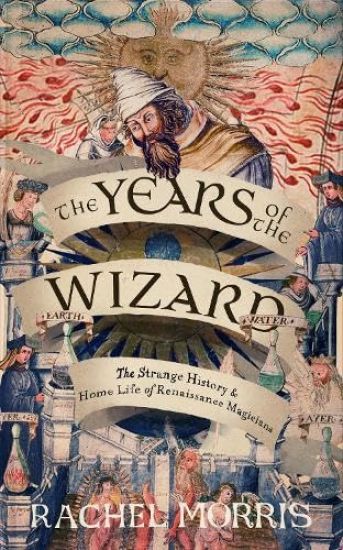
All things were believable back then – wizards, alchemy, fairies, angels. This is the story of those magical times. A lyrical and highly atmospheric exploration of the lives of Tudor and Renaissance magicians, men from Dee to Kepler to Bruno, who were also scientists, astrologers, mathematicians and alchemists. Their studies, books and ideas still permeate scientific history, as well as literature and film from Philip Pullman to CS Lewis. But what do we know of the rest of their households – the lovers, wives, mothers and daughters? In The Years of the Wizard Rachel Morris also vividly reimagines the less documented lives of the magicians' families and lovers. From those who supported the travelling households - packing up the libraries, feeding the assistants, entertaining the patrons, educating the children - as well as those archiving, documenting and collaborating with their magical work. With vivid storytelling Rachel Morris magically animates both the known past lives of these extraordinary men and the imaginary stories of the less documented women, elders and children in this era of discovery and magic.
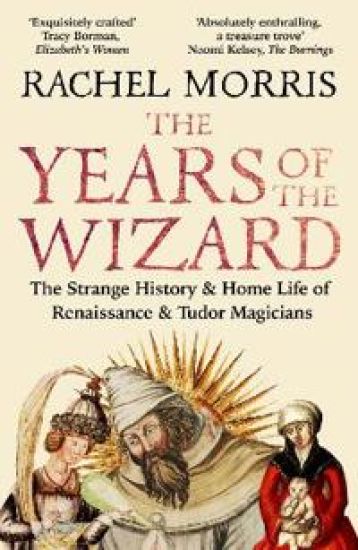
All things were believable back then – wizards, alchemy, fairies, angels. This is the story of those magical times. The Years of the Wizard is a lyrical and highly atmospheric exploration of the lives of Tudor and Renaissance magicians, men from John Dee to Giordano Bruno, who were also scientists, astrologers, mathematicians and alchemists. It is also an act of historical imagination, bringing to life the stories of their wives, lovers, servants and daughters. Morris' vivid recreations of the less documented female lives includes the extraordinary story of John and Jane Dee, the jealous apprentice, and the angels who meddled in their marriage... A brilliant, fresh approach to an era of discovery, persecution and magic – one that still feeds modern storytellers today.

Since the Conservative government's reform of the law and policy relating to accommodation for Travelling People (Gypsies and Travellers) in 1992, there have been no changes to the legislation, despite a major review of housing law and policy commenced by the current Labour government in 2000. A primary motive given for the 1992 legal reforms was financial: that the cost to the public purse of providing sites for Travelling People was unjustifiably high. Yet no study was ever done into the costs of not providing sites. In addition to exploration of the financial costs experienced by local authorities in the UK, both as landowners and as providers of public services, the book also examines the financial, human and social costs suffered by private landowners, police services and Travelling People themselves. The book places these costs in context both by exploring the process of change to law and policy in this field in 1992, and the issues now raised by the 'Best Value' regime and other new obligations placed on public bodies by human rights and race relations laws. The book will be invaluable reading for practitioners and policy makers in housing, planning, equality issues, education, welfare and policing at local and national levels. It will also be of interest to social policy and social work academics and students, and to Travelling People themselves.