Kirjojen hintavertailu. Mukana 11 342 296 kirjaa ja 12 kauppaa.

Kirjahaku

Etsi kirjoja tekijän nimen, kirjan nimen tai ISBN:n perusteella.

3 kirjaa tekijältä Rachel S. Harris

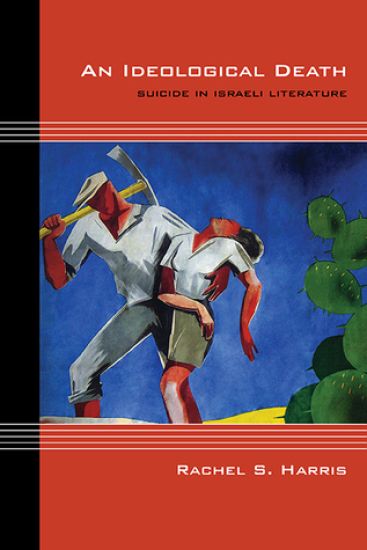
An Ideological Death

An Ideological Death

Rachel S. Harris

Northwestern University Press
2014
sidottu
An Ideological Death: Suicide in Israeli Literature examines literary challenges to Israel’s national narratives. The centrality of the army, the mythology of the New Jew, the vision of the first Israeli city, Tel Aviv, and the very process by which a nation’s history is constructed are confronted in fiction by many prominent Israeli writers.Using the image of suicide, A. B. Yehoshua, Amos Oz, Etgar Keret, Yehudit Katzir, Alon Hilu, Yaakov Shabtai, Benjamin Tammuz, and Yehoshua Kenaz each engage in a critical and rhetorical process that examines the nation’s formation and reconsiders myths at the heart of the Zionist project. In Israeli literature, suicide represents a society’s compulsion to create impossible ideals that leave its populace disappointed and deluded. Yet as Rachel S. Harris shows, even at their harshest these writers also represent the idealism that helped build Israel as a modern nation-state.
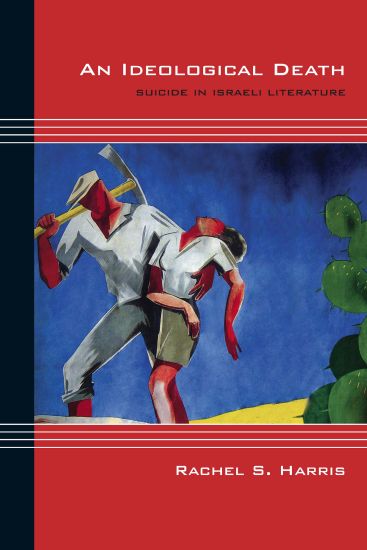
An Ideological Death

An Ideological Death

Rachel S. Harris

Northwestern University Press
2021
nidottu
An Ideological Death: Suicide in Israeli Literature examines literary challenges to Israel's national narratives. The centrality of the army, the mythology of the "new Jew," the vision of the first Israeli city, Tel Aviv, and the very process by which a nation's history is constructed are confronted in fiction by many prominent Israeli writers. Using the image of suicide, A. B. Yehoshua, Amos Oz, Etgar Keret, Yehudit Katzir, Alon Hilu, Yaakov Shabtai, Benjamin Tammuz, and Yehoshua Kenaz each engage in a critical and rhetorical process that examines the nation's formation and reconsiders myths at the heart of the Zionist project. In Israeli literature, suicide represents a society's compulsion to create impossible ideals that leave its populace disappointed and deluded. Yet, as Rachel S. Harris shows, even at their harshest these writers also represent the idealism that helped build Israel as a modern nation-state.
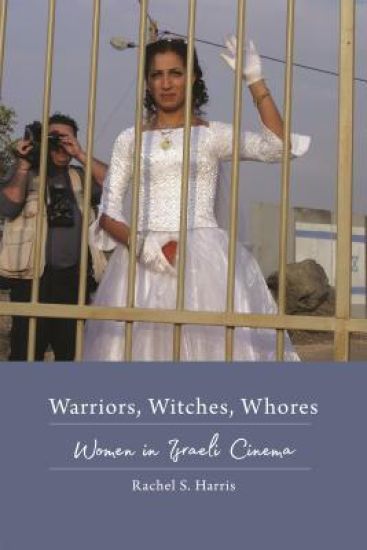
Warriors, Witches, Whores

Warriors, Witches, Whores

Rachel S. Harris

Wayne State University Press
2017
nidottu
Feminist reading of women’s representation and activism in Israeli cinema.Warriors, Witches, Whores: Women in Israeli Cinema is a feminist study of Israel’s film industry and the changes that have occurred since the 1990s. Working in feminist film theory, the book adopts a cultural studies approach, considering the creation of a female-centered and thematically feminist film culture in light of structural and ideological shifts in Israeli society. Author Rachel S. Harris situates these changes in dialogue with the cinematic history that preceded them and the ongoing social inequalities that perpetuate women’s marginalization within Israeli society.While no one can deny Israel’s Western women’s advancements, feminist filmmakers frequently turn to Israel’s less impressive underbelly as sources for their inspiration. Their films have focused on sexism, the negative impact of militarism on women’s experience, rape culture, prostitution, and sexual abuse. These films also tend to include subjects from society’s geographical periphery and social margins, such as female foreign workers, women, and refugees. Warriors, Witches, Whores is divided into three major sections and each considers a different form of feminist engagement. The first part explores films that situate women in traditionally male spheres of militarism, considering the impact of interjecting women within hegemonic spaces or reconceptualizing them in feminist ways. The second part recovers the narratives of women’s experience that were previously marginalized or silenced, thereby creating a distinct female space that offers new kinds of storytelling and cinematic aesthetics that reflect feminist expressions of identity. The third part offers examples of feminist activism that reach beyond the boundaries of the film to comment on social issues, particularly those which affect women. This section demonstrates how feminists use film (and work within the film industry) in order to women’s position in society. Warriors, Witches, Whores considers the ways social and political power have impacted the representation of women and looks to how feminist filmmakers have fought against these inequities behind the camera, in the stories they tell.