Kirjojen hintavertailu. Mukana 11 699 587 kirjaa ja 12 kauppaa.

Kirjahaku

Etsi kirjoja tekijän nimen, kirjan nimen tai ISBN:n perusteella.

17 kirjaa tekijältä Rafael Barrett

Antología

Antología

Rafael Barrett

Createspace Independent Publishing Platform
2017
nidottu
Rafael Barrett (Torrelavega, Cantabria, Espa a, 7 de enero de 1876 - Arcach n, Francia, 17 de diciembre de 1910) fue un escritor espa ol -narrador, ensayista y periodista- que desarroll la mayor parte de su producci n literaria en Paraguay, por lo que es considerado una figura destacada de la literatura paraguaya a principios del siglo XX. Es particularmente conocido por sus cuentos y sus ensayos de hondo contenido filos fico, exponente de un vitalismo que anticipa de cierta forma el existencialismo. Conocidos son tambi n sus alegatos filos fico-pol ticos a favor del anarquismo. Antolog a incluye: - Ensayos: De 1905 a 1910 - Cuentos: El maestro, El leproso, - Poes as: Decadente, Mi hijo, - Otros textos: Aguafuertes, Hoy, Las manos, Rinc n de selva, Sobre el Atl ntico.
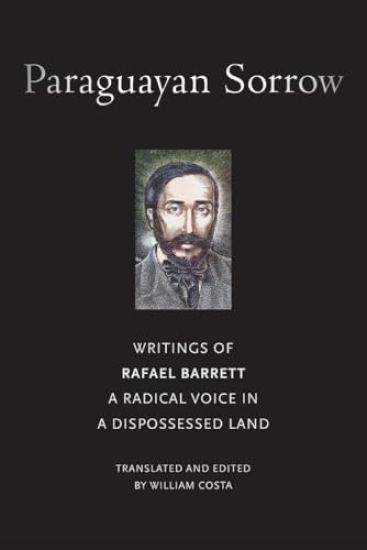
Paraguayan Sorrow

Paraguayan Sorrow

Rafael Barrett

MONTHLY REVIEW PRESS,U.S.
2024
pokkari
The first-ever English translation of one of the legends of the Latin American left Rafael Barrett was born into the Spanish elite, but in the six intense years that he spent in Paraguay, he shed his past to become one of the most notable voices speaking out against the rampant imperialism gripping Latin America. Arriving in a nation constructed upon a foundation of bones following the Triple Alliance War of 1864-1870, Barrett was thrown by chance into the "Paraguayan sorrow" that haunted that landlocked nation in the heart of Latin America. More than half the population had been wiped out in the merciless conflict. A ferocious pattern of capitalist imperialism had taken hold. The apocalyptic war had ended a period of relative economic independence, and--as competing elites allied with foreign interests squabbled over rulership--Paraguay's poor workers entered a long descent into utter degradation. All that Barrett witnessed prompted him to discard the vestiges of his past as an upper-class liberal dandy in Madrid, shifting his politics rapidly to the left and becoming a key ally of the growing Paraguayan anarcho-syndicalist movement. As skirmishes between Paraguay's national elites pushed the country from one military uprising to the next, Barrett's prolific articles in the capital city's press broke the silence on deep social, economic, and political problems playing out in urban and rural areas. Barrett transformed into one of Paraguay's most vivid commentators, denouncing private property and the state, and one of the most vocal defenders of the heavily marginalized culture, language, and landscapes of the Paraguayan popular classes. He paid the ultimate price for his metamorphosis, ultimately facing banishment from the nation's intelligentsia, poverty, exile, and a tuberculosis infection that would soon end his life. Despite Barrett's position as a legendary figure in Paraguayan, Uruguayan, and Argentinian leftist circles, especially among anarchists, his work has endured long periods of relative obscurity since his death. Among Barrett's wide-ranging texts, he is often remembered for a brave expos of the horrors committed against Paraguayan workers by powerful international companies that extracted the leaf of the yerba mate tree from the depths of enormous enclaves of forest they controlled. Barrett's attack on this state-backed system of debt slavery would position him as a forerunner of anti-neocolonial writing in Latin America. This edition of his striking book Paraguayan Sorrow (1911), which includes his writing on the yerba mate forests, forms part of a wave of renewed interest in a striking body of writing covering an enormous number of disciplines and geographical regions. With its vivid landscapes, precise analysis, and bold denouncements, this first-ever English translation of Paraguayan Sorrow brings us a relevant and inspiring resource for the analysis of imperialism in Paraguay, Latin America, and across the globe.
Paraguayan Sorrow

Paraguayan Sorrow

Rafael Barrett

MONTHLY REVIEW PRESS,U.S.
2024
sidottu
The first-ever English translation of one of the legends of the Latin American left Rafael Barrett was born into the Spanish elite, but in the six intense years that he spent in Paraguay, he shed his past to become one of the most notable voices speaking out against the rampant imperialism gripping Latin America. Arriving in a nation constructed upon a foundation of bones following the Triple Alliance War of 1864-1870, Barrett was thrown by chance into the "Paraguayan sorrow" that haunted that landlocked nation in the heart of Latin America. More than half the population had been wiped out in the merciless conflict. A ferocious pattern of capitalist imperialism had taken hold. The apocalyptic war had ended a period of relative economic independence, and--as competing elites allied with foreign interests squabbled over rulership--Paraguay's poor workers entered a long descent into utter degradation. All that Barrett witnessed prompted him to discard the vestiges of his past as an upper-class liberal dandy in Madrid, shifting his politics rapidly to the left and becoming a key ally of the growing Paraguayan anarcho-syndicalist movement. As skirmishes between Paraguay's national elites pushed the country from one military uprising to the next, Barrett's prolific articles in the capital city's press broke the silence on deep social, economic, and political problems playing out in urban and rural areas. Barrett transformed into one of Paraguay's most vivid commentators, denouncing private property and the state, and one of the most vocal defenders of the heavily marginalized culture, language, and landscapes of the Paraguayan popular classes. He paid the ultimate price for his metamorphosis, ultimately facing banishment from the nation's intelligentsia, poverty, exile, and a tuberculosis infection that would soon end his life. Despite Barrett's position as a legendary figure in Paraguayan, Uruguayan, and Argentinian leftist circles, especially among anarchists, his work has endured long periods of relative obscurity since his death. Among Barrett's wide-ranging texts, he is often remembered for a brave expos of the horrors committed against Paraguayan workers by powerful international companies that extracted the leaf of the yerba mate tree from the depths of enormous enclaves of forest they controlled. Barrett's attack on this state-backed system of debt slavery would position him as a forerunner of anti-neocolonial writing in Latin America. This edition of his striking book Paraguayan Sorrow (1911), which includes his writing on the yerba mate forests, forms part of a wave of renewed interest in a striking body of writing covering an enormous number of disciplines and geographical regions. With its vivid landscapes, precise analysis, and bold denouncements, this first-ever English translation of Paraguayan Sorrow brings us a relevant and inspiring resource for the analysis of imperialism in Paraguay, Latin America, and across the globe.
Antología

Antología

Rafael Barrett

Createspace Independent Publishing Platform
2017
nidottu
Rafael Barrett, de nombre completo Rafael ngel Jorge Juli n Barrett y lvarez de Toledo (Torrelavega, Cantabria, Espa a, 7 de enero de 1876 - Arcach n, Francia, 17 de diciembre de 1910) fue un escritor espa ol -narrador, ensayista y periodista- que desarroll la mayor parte de su producci n literaria en Paraguay, por lo que es considerado una figura destacada de la literatura paraguaya a principios del siglo XX. Es particularmente conocido por sus cuentos y sus ensayos de hondo contenido filos fico, exponente de un vitalismo que anticipa de cierta forma el existencialismo. Conocidos son tambi n sus alegatos filos fico-pol ticos a favor del anarquismo. Su paso por Argentina, Uruguay, y en particular Paraguay, lo definieron como literato mientras efectuaba en paralelo sus trabajos period sticos. Arruinado como estaba, en ning n momento dud en abrazar la causa de los m s d biles blandiendo su afilada pluma contra la injusticia social. En cierto modo su descenso a los infiernos de la miseria le permiti liberarse de una vida falsa y entregarse a la m s noble y digna tarea de vivir para los otros. La incidencia de las que por entonces eran miserables condiciones de vida en gran parte de Sudam rica repercuti fuertemente en sus escritos, que iban volc ndose insistentemente hacia el periodismo de denuncia. Su viraje hacia una posici n inequ vocamente anarquista no s lo le acarre problemas con las clases pudientes y con el gobierno de Paraguay (donde fue encarcelado en varias ocasiones), muchos intelectuales paraguayos tambi n le dieron la espalda.
Antologia

Antologia

Rafael Barrett

Createspace Independent Publishing Platform
2018
nidottu
El esfuerzo La vida es un arma. D nde herir, sobre qu obst culo crispar nuestros m sculos, de qu cumbre colgar nuestros deseos? Ser mejor gastarnos de un golpe y morir la muerte ardiente de la bala aplastada contra el muro o envejecer en el camino sin t rmino y sobrevivir a la esperanza? Las fuerzas que el destino olvid un instante en nuestras manos son fuerzas de tempestad. Para el que tiene los ojos abiertos y el o do en guardia, para el que se ha incorporado una vez sobre la carne, la realidad es angustia. Gemidos de agon a y clamores de triunfo nos llaman en la noche. Nuestras pasiones, como una jaur a impaciente, olfatean el peligro y la gloria. Nos adivinamos due os de lo imposible y nuestro esp ritu vido se desgarra. Poner pie en la playa virgen, agitar lo maravilloso que duerme, sentir el soplo de lo desconocido, el estremecimiento de una forma nueva: he aqu lo necesario. M s vale lo horrible que lo viejo. M s vale deformar que repetir. Antes destruir que copiar. Vengan los monstruos si son j venes. El mal es lo que vamos dejando a nuestras espaldas. La belleza es el misterio que nace. Y ese hecho sublime, el advenimiento de lo que jam s existi , debe verificarse en las profundidades de nuestro ser. Dioses de un minuto, qu nos importan los martirios de la jornada, qu importa el desenlace negro si podemos contestar a la naturaleza: - No me creaste en vano Es preciso que el hombre se mire y se diga: -Soy una herramienta. Traigamos a nuestra alma el sentimiento familiar del trabajo silencioso, y admiremos en ella la hermosura del mundo. Somos un medio, s , pero el fin es grande. Somos chispas fugitivas de una prodigiosa hoguera. La majestad del Universo brilla sobre nosotros, y vuelve sagrado nuestro esfuerzo humilde. Por poco que seamos, lo seremos todo si nos entregamos por entero. Hemos salido de las sombras para abrasarnos en la llama; hemos aparecido para distribuir nuestra sustancia y ennoblecer las cosas. Nuestra misi n es sembrar los pedazos de nuestro cuerpo y de nuestra inteligencia; abrir nuestras entra as para que nuestro genio y nuestra sangre circulen por la tierra
Antología

Antología

Rafael Barrett

Createspace Independent Publishing Platform
2018
nidottu
Antolog a, de Rafael Barrett, es una selecci n de textos que consta de cuatro partes: Ensayos, publicados de 1905 a 1910; Cuentos: El maestro, El leproso; Poes as: Decadente, Mi hijo; y Otros textos: Aguafuertes, Hoy, Las manos, Rinc n de selva, Sobre el Atl ntico.
Antología.

Antología.

Rafael Barrett

Createspace Independent Publishing Platform
2018
nidottu
-Ensayos: De 1905 a 1910 -Cuentos: El maestro El leproso -Poes as: Decadente Mi hijo -Otros textos: Aguafuertes Hoy Las manos Rinc n de selva Sobre el Atl ntico
Antología

Antología

Rafael Barrett

LINKGUA EDICIONES
2024
nidottu
La presente Antolog a de Rafael Barrett contiene textos publicados en peri dicos y revistas de Paraguay, Uruguay y Argentina, y posteriormente recogidos en libros. La mayor a de ellos aparecieron tras la muerte del autor.Barrett naci en Espa a de padre ingl s y madre espa ola (1876-1910). Fue el m s l cido expositor del drama social de Paraguay de fines del siglo XIX y comienzos del XX. Formado en el mundo ilustrado de una Espa a aristocr tica, influido por los principios de un anarquismo difuso, su contacto con el pueblo paraguayo, diezmado tras la guerra de la Triple Alianza, cambi para siempre su visi n del mundo.Rafael Barrett puso su pluma, moralizadora y combativa, al servicio de su causa. Para ello luch y sufri prisi n y destierro.Muri a los treinta y cuatro a os, en Francia. Lejos de su familia y Paraguay, no obtuvo reconocimiento en su pa s natal. En vida solo public un libro, Moralidades actuales. En 1919 Rufino Blanco Fombona edit parte de su obra la Editorial Am rica.