Kirjojen hintavertailu. Mukana 11 244 527 kirjaa ja 12 kauppaa.

Kirjahaku

Etsi kirjoja tekijän nimen, kirjan nimen tai ISBN:n perusteella.

2 kirjaa tekijältä Rainer Schulzer

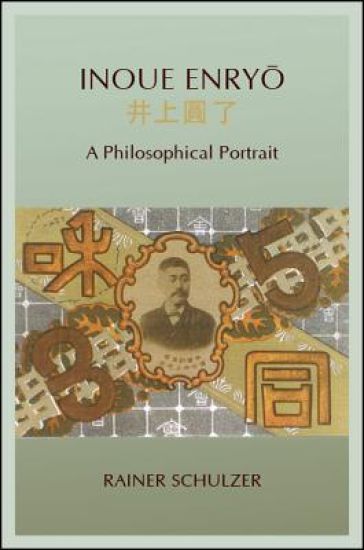
Inoue Enryo

Inoue Enryo

Rainer Schulzer

State University of New York Press
2019
pokkari
The first comprehensive treatment of Inoue Enryo, a pioneer of modern Buddhism and a key figure in the reception of Western philosophy in East Asia.Rainer Schulzer provides the first comprehensive study, in English, of the modern Japanese philosopher Inoue Enryo (1858–1919). Enryo was a key figure in several important intellectual trends in Meiji Japan, including the establishment of academic philosophy, the public campaign against superstition, the permeation of imperial ideology, and the emergence of modern Japanese Buddhism. As one of the most widely read intellectuals of his time and one of the first Japanese authors ever translated into Chinese, an understanding of Enryo's work and influence is indispensable for understanding modern East Asian intellectual history. His role in spreading the terminology of modern East Asian humanities reveals how later thinkers such as Nishida Kitaro and Suzuki T. Daisetsu emerged; while his key principles, Love of Truth and Protection of Country, illustrate the tensions inherent in Enryo's enlightenment views and his dedication to the rise of the Japanese empire. The book also presents a systematic reconstruction of what was the first attempt to give Buddhism a sound philosophical foundation for the modern world.
Inoue Enryo

Inoue Enryo

Rainer Schulzer

State University of New York Press
2019
sidottu
The first comprehensive treatment of Inoue Enryo, a pioneer of modern Buddhism and a key figure in the reception of Western philosophy in East Asia.Rainer Schulzer provides the first comprehensive study, in English, of the modern Japanese philosopher Inoue Enryo (1858–1919). Enryo was a key figure in several important intellectual trends in Meiji Japan, including the establishment of academic philosophy, the public campaign against superstition, the permeation of imperial ideology, and the emergence of modern Japanese Buddhism. As one of the most widely read intellectuals of his time and one of the first Japanese authors ever translated into Chinese, an understanding of Enryo's work and influence is indispensable for understanding modern East Asian intellectual history. His role in spreading the terminology of modern East Asian humanities reveals how later thinkers such as Nishida Kitaro and Suzuki T. Daisetsu emerged; while his key principles, Love of Truth and Protection of Country, illustrate the tensions inherent in Enryo's enlightenment views and his dedication to the rise of the Japanese empire. The book also presents a systematic reconstruction of what was the first attempt to give Buddhism a sound philosophical foundation for the modern world.