Kirjojen hintavertailu. Mukana 11 699 587 kirjaa ja 12 kauppaa.

Kirjahaku

Etsi kirjoja tekijän nimen, kirjan nimen tai ISBN:n perusteella.

4 kirjaa tekijältä Randall S. Lindstrom

Kenosis Creativity Architecture

Kenosis Creativity Architecture

Randall S. Lindstrom

Routledge
2021
sidottu
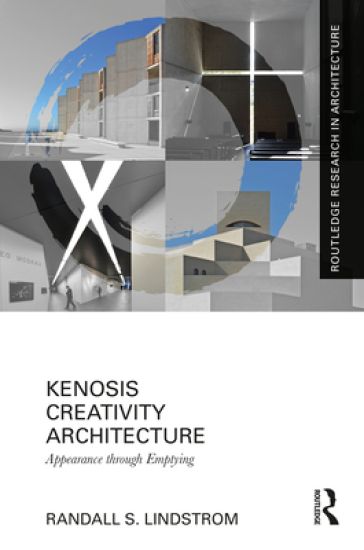
Kenosis Creativity Architecture locates and explores creativity’s grounding in the ancient concept of kenosis, the “emptying” that allows creativity to happen; that makes appearance possible.It concretises that grounding through architecture—a primal expression of human creativity—critically examining, for the first time, kenotic instantiations evidenced in four iconic, international projects; works by Kahn, Pei, Ando, and Libeskind. Then, in a final turn, the potentiality of architecture’s own emptying is probed. Architect and author Randall Lindstrom draws on Western and Eastern philosophy, including that of Heidegger, Levinas, Derrida, Vattimo, Nishida, and Nishitani, as well as on the theology of Christianity, Judaism, and aspects of Buddhism, Hinduism, and Islam. Every chapter expands the argument that, if responsiveness to our world is taken seriously—if proper and sustainable responses are to be realised—then a deeper understanding of creativity, and so kenosis, is essential.This book opens-up a way of thinking about creativity and humanity’s readiness to be creative. It thereby presents a crucial enquiry—at the nexus of architecture, philosophy, and theology—for researchers, graduate and postgraduate students, and practitioners alike.
Kenosis Creativity Architecture

Kenosis Creativity Architecture

Randall S. Lindstrom

TAYLOR FRANCIS LTD
2023
nidottu
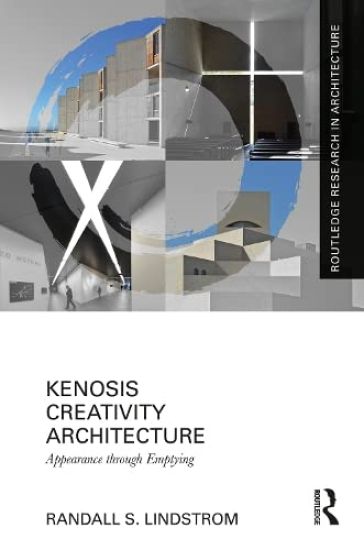
Kenosis Creativity Architecture locates and explores creativity’s grounding in the ancient concept of kenosis, the “emptying” that allows creativity to happen; that makes appearance possible.It concretises that grounding through architecture—a primal expression of human creativity—critically examining, for the first time, kenotic instantiations evidenced in four iconic, international projects; works by Kahn, Pei, Ando, and Libeskind. Then, in a final turn, the potentiality of architecture’s own emptying is probed. Architect and author Randall Lindstrom draws on Western and Eastern philosophy, including that of Heidegger, Levinas, Derrida, Vattimo, Nishida, and Nishitani, as well as on the theology of Christianity, Judaism, and aspects of Buddhism, Hinduism, and Islam. Every chapter expands the argument that, if responsiveness to our world is taken seriously—if proper and sustainable responses are to be realised—then a deeper understanding of creativity, and so kenosis, is essential.This book opens-up a way of thinking about creativity and humanity’s readiness to be creative. It thereby presents a crucial enquiry—at the nexus of architecture, philosophy, and theology—for researchers, graduate and postgraduate students, and practitioners alike.
An Architecture of Place

An Architecture of Place

Randall S. Lindstrom

TAYLOR FRANCIS LTD
2024
nidottu
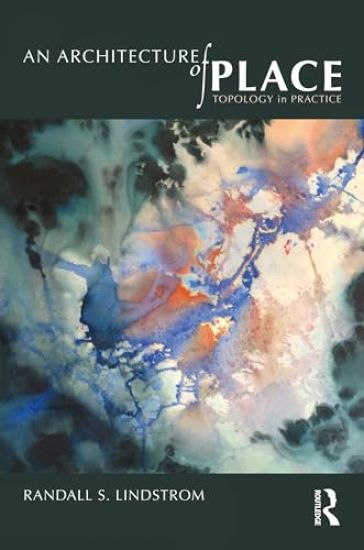
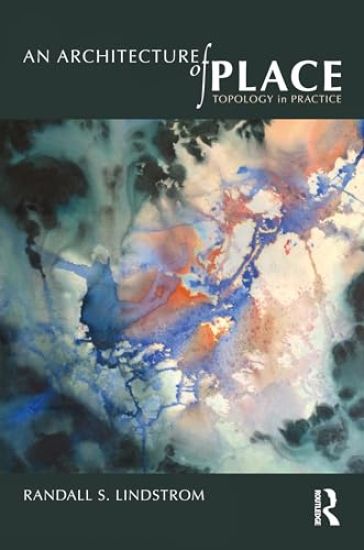
Challenging mainstream architecture’s understandings of place, this book offers an illuminating clarification that allows the idea’s centrality, in all aspects of everyday design thinking, to be rediscovered or considered for the first time.Rigorous but not dense, practical but not trivialising, the book unfolds on three fronts. First, it clearly frames the pertinent aspects of topology—the philosophy of place—importantly differentiating two concepts that architecture regularly conflates: place and space. Second, it rejects the ubiquitous notion that architecture “makes place” and, instead, reasons that place is what makes architecture and the built environment possible; that place “calls” for and to architecture; and that architecture is thus invited to “listen” and respond. Finally, it turns to the matter of designing responses that result not just in more places of architecture (demanding little of design), nor merely in architecture with some “sense of place” (demanding little more), but, rising above those, responses that constitute an architecture of place (demanding the greatest vigilance but offering the utmost freedom).Opening up a term regarded as so common that its meaning is seldom considered, the author reveals the actual depth and richness of place, its innateness to architecture, and its essentiality to practitioners, clients, educators, and students—including those in all spatial disciplines.
An Architecture of Place

An Architecture of Place

Randall S. Lindstrom

TAYLOR FRANCIS LTD
2024
sidottu
Challenging mainstream architecture’s understandings of place, this book offers an illuminating clarification that allows the idea’s centrality, in all aspects of everyday design thinking, to be rediscovered or considered for the first time.Rigorous but not dense, practical but not trivialising, the book unfolds on three fronts. First, it clearly frames the pertinent aspects of topology—the philosophy of place—importantly differentiating two concepts that architecture regularly conflates: place and space. Second, it rejects the ubiquitous notion that architecture “makes place” and, instead, reasons that place is what makes architecture and the built environment possible; that place “calls” for and to architecture; and that architecture is thus invited to “listen” and respond. Finally, it turns to the matter of designing responses that result not just in more places of architecture (demanding little of design), nor merely in architecture with some “sense of place” (demanding little more), but, rising above those, responses that constitute an architecture of place (demanding the greatest vigilance but offering the utmost freedom).Opening up a term regarded as so common that its meaning is seldom considered, the author reveals the actual depth and richness of place, its innateness to architecture, and its essentiality to practitioners, clients, educators, and students—including those in all spatial disciplines.