
Kirjahaku
Etsi kirjoja tekijän nimen, kirjan nimen tai ISBN:n perusteella.
6 kirjaa tekijältä Randolph Lewis
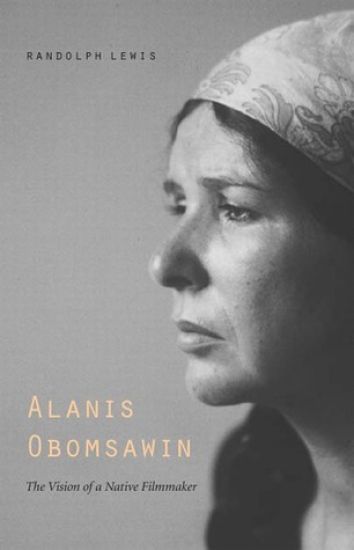
In more than twenty powerful films, Abenaki filmmaker "Alanis Obomsawin" has waged a brilliant battle against the ignorance and stereotypes that Native Americans have long endured in cinema and television. In this book, the first devoted to any Native filmmaker, Obomsawin receives her due as the central figure in the development of indigenous media in North America. Incorporating history, politics, and film theory into a compelling narrative, Randolph Lewis explores the life and work of a multifaceted woman whose career was flourishing long before Native films such as "Smoke Signals" reached the screen. He traces Obomsawin's path from an impoverished Abenaki reserve in the 1930s to bohemian Montreal in the 1960s, where she first found fame as a traditional storyteller and singer. Lewis follows her career as a celebrated documentary filmmaker, citing her courage in covering, at great personal risk, the 1991 Oka Crisis between Mohawk warriors and Canadian soldiers. We see how, since the late 1960s, Obomsawin has transformed documentary film, reshaping it for the first time into a crucial place for sharing indigenous perspectives. Through a careful examination of her work, Lewis proposes a new vision for indigenous media around the globe: a "cinema of sovereignty" based on what Obomsawin has accomplished. Randolph Lewis is an associate professor of American Studies in the Honors College of the University of Oklahoma. He is the author of "Emile de Antonio: Radical Filmmaker in Cold War America" and the co-editor of "Reflections on James Joyce: The Paris Journals of Stuart Gilbert".
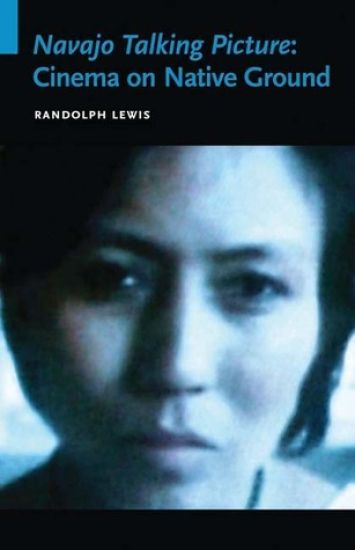
Navajo Talking Picture, released in 1985, is one of the earliest and most controversial works of Native cinema. It is a documentary by Los Angeles filmmaker Arlene Bowman, who travels to the Navajo reservation to record the traditional ways of her grandmother in order to understand her own cultural heritage. For reasons that have often confused viewers, the filmmaker persists despite her traditional grandmother's forceful objections to the apparent invasion of her privacy. What emerges is a strange and thought-provoking work that abruptly calls into question the issue of insider versus outsider and other assumptions that have obscured the complexities of Native art. Randolph Lewis offers an insightful introduction and analysis of Navajo Talking Picture, in which he shows that it is not simply the first Navajo-produced film but also a path-breaking work in the history of indigenous media in the United States. Placing the film in a number of revealing contexts, including the long history of Navajo people working in Hollywood, the ethics of documentary filmmaking, and the often problematic reception of Native art, Lewis explores the tensions and mysteries hidden in this unsettling but fascinating film.
In more than twenty powerful films, Abenaki filmmaker Alanis Obomsawin has waged a brilliant battle against the ignorance and stereotypes that Native Americans have long endured in cinema and television. In this book, the first devoted to any Native filmmaker, Obomsawin receives her due as the central figure in the development of indigenous media in North America. Incorporating history, politics, and film theory into a compelling narrative, Randolph Lewis explores the life and work of a multifaceted woman whose career was flourishing long before Native films such as Smoke Signals reached the screen. He traces Obomsawin's path from an impoverished Abenaki reserve in the 1930s to bohemian Montreal in the 1960s, where she first found fame as a traditional storyteller and singer. Lewis follows her career as a celebrated documentary filmmaker, citing her courage in covering, at great personal risk, the 1991 Oka Crisis between Mohawk warriors and Canadian soldiers. We see how, since the late 1960s, Obomsawin has transformed documentary film, reshaping it for the first time into a crucial forum for sharing indigenous perspectives. Through a careful examination of her work, Lewis proposes a new vision for indigenous media around the globe: a "cinema of sovereignty" based on what Obomsawin has accomplished.
Never before has so much been known about so many. CCTV cameras, TSA scanners, NSA databases, big data marketers, predator drones, “stop and frisk” tactics, Facebook algorithms, hidden spyware, and even old-fashioned nosy neighbors-surveillance has become so ubiquitous that we take its presence for granted. While many types of surveillance are pitched as ways to make us safer, almost no one has examined the unintended consequences of living under constant scrutiny and how it changes the way we think and feel about the world. In Under Surveillance, Randolph Lewis offers a highly original look at the emotional, ethical, and aesthetic challenges of living with surveillance in America since 9/11.Taking a broad and humanistic approach, Lewis explores the growth of surveillance in surprising places, such as childhood and nature. He traces the rise of businesses designed to provide surveillance and security, including those that cater to the Bible Belt’s houses of worship. And he peers into the dark side of playful surveillance, such as eBay’s online guide to “Fun with Surveillance Gadgets.” A worried but ultimately genial guide to this landscape, Lewis helps us see the hidden costs of living in a “control society” in which surveillance is deemed essential to governance and business alike. Written accessibly for a general audience, Under Surveillance prompts us to think deeply about what Lewis calls “the soft tissue damage” inflicted by the culture of surveillance.

Ruin and Restoration in Trump's New America