
Kirjahaku
Etsi kirjoja tekijän nimen, kirjan nimen tai ISBN:n perusteella.
4 kirjaa tekijältä Randolph T. Hester
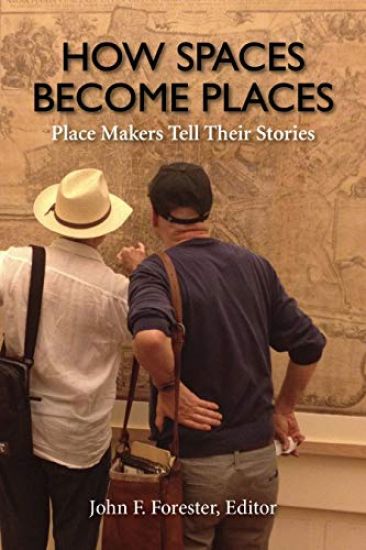
Useful and inspiring cases illustrate participatory placemaking practices and strategies. How Spaces Become Places tells stories of place makers who respond to daunting challenges of affordable housing, racial violence, and immigration, as well as community building, arts development, safe streets, and coalition-building. The book's thirteen contributors share their personal experiences tackling complex and contentious situations in cities ranging from Brooklyn to Los Angeles and from Paris to Detroit. These activists and architects, artists and planners, mediators and gardeners transform ordinary spaces into extraordinary places. These place makers recount working alongside initially suspicious residents to reclaim and enrich the communities in which they live. Readers will learn how place makers listen and learn, diagnose local problems, convene stakeholders, build trust, and invent solutions together. They will find instructive examples of work they can do within their own communities. In the aftermath of the pandemic and the murder of George Floyd, the editor argues, these accessible practice stories are more important than ever.
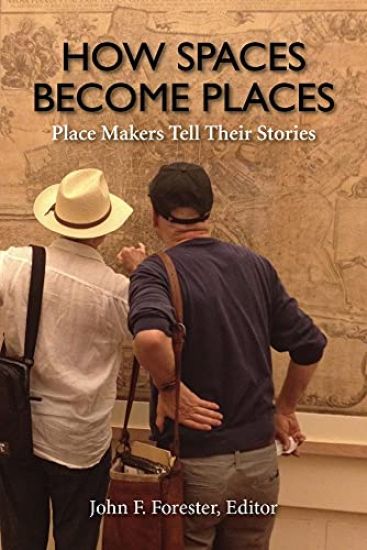
Useful and inspiring cases illustrate participatory placemaking practices and strategies. How Spaces Become Places tells stories of place makers who respond to daunting challenges of affordable housing, racial violence, and immigration, as well as community building, arts development, safe streets, and coalition-building. The book's thirteen contributors share their personal experiences tackling complex and contentious situations in cities ranging from Brooklyn to Los Angeles and from Paris to Detroit. These activists and architects, artists and planners, mediators and gardeners transform ordinary spaces into extraordinary places. These place makers recount working alongside initially suspicious residents to reclaim and enrich the communities in which they live. Readers will learn how place makers listen and learn, diagnose local problems, convene stakeholders, build trust, and invent solutions together. They will find instructive examples of work they can do within their own communities. In the aftermath of the pandemic and the murder of George Floyd, the editor argues, these accessible practice stories are more important than ever.