

Kirjahaku
Etsi kirjoja tekijän nimen, kirjan nimen tai ISBN:n perusteella.
3 kirjaa tekijältä Randy Kennedy

"It's quite likely that nobody will agree with everything in this book." That honest review comes from none other than the author himself. In Kingdom Warriors: Victorious Through Radical Devotion to God Randy makes the bold assertion that an ever-increasing level of permissiveness in the twenty-first century Church is playing a significant role in the moral free-fall evident in the culture today. Our salt has lost its flavor, and our light has dimmed. This second book in his Kingdom series takes an in-depth look at some of the questionable beliefs and behaviors that are being readily accepted, and even embraced, by a vast number of Christians today. Believers will be challenged to pursue a greater holiness in all things, bringing ongoing victories to the Kingdom as they radically devote their lives to God. Randy Kennedy is the news director at a three-station Christian radio network in central Minnesota. He has been a student and teacher of the Bible for much of his adult life. A combined three-plus decades working as part of the law enforcement community and in radio news has given Randy a unique insight into the issues of the day and how they are affecting modern culture and Christianity.
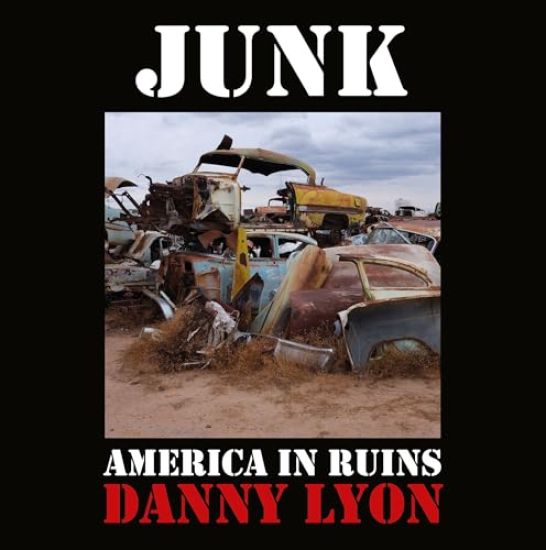
Lyon’s Junk: America in Ruins is a book of pictures of 86 American cars, mostly from the 1950s and 1960s, made in the junkyards of the western United States. When he was 21, Lyon’s father passed on to him a 1953 Oldsmobile. He discovered the ecstasy of speeding along Georgia highways during the civil rights movement, with red dirt fields of peanuts and cotton flying by. In the excitement of driving, he realized his own mortality. Lyon’s Junk: America in Ruins is a book of pictures of 86 American cars, mostly from the 1950s and 1960s, made in the junkyards of the western United States. The pictures were taken in Nebraska, Texas, New Mexico, Arizona and Oklahoma. This is a work of pure visual photography. The premise behind the work is that many things—sculptures, monuments, buildings—take on a new and added beauty as they deteriorate and become ruins: a certain pathos is added to their original beauty. This is true of the automobiles in this series: once the beloved machines of people and families who owned and drove them, they now evoke a terrible beauty and sadness.