Kirjojen hintavertailu. Mukana 12 095 247 kirjaa ja 12 kauppaa.

Kirjahaku

Etsi kirjoja tekijän nimen, kirjan nimen tai ISBN:n perusteella.

15 kirjaa tekijältä Ranjan Ghosh

Philosophy and Poetry

Philosophy and Poetry

Ranjan Ghosh

Columbia University Press
2019
sidottu
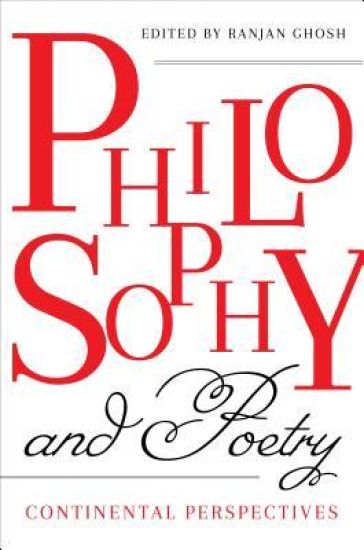
Ever since Plato’s Socrates exiled the poets from the ideal city in The Republic, Western thought has insisted on a strict demarcation between philosophy and poetry. Yet might their long-standing quarrel hide deeper affinities? This book explores the distinctive ways in which twentieth-century and contemporary continental thinkers have engaged with poetry and its contribution to philosophical meaning making, challenging us to rethink how philosophy has been changed through its encounters with poetry.In wide-ranging reflections on thinkers such as Heidegger, Gadamer, Arendt, Lacan, Merleau-Ponty, Deleuze, Irigaray, Badiou, Kristeva, and Agamben, among others, distinguished contributors consider how different philosophers encountered the force and intensity of poetry and the negotiations that took place as they sought resolutions of the quarrel. Instead of a clash between competing worldviews, they figured the relationship between philosophy and poetry as one of productive mutuality, leading toward new modes of thinking and understanding. Spanning a range of issues with nuance and rigor, this compelling and comprehensive book opens new possibilities for philosophical poetry and the poetics of philosophy.
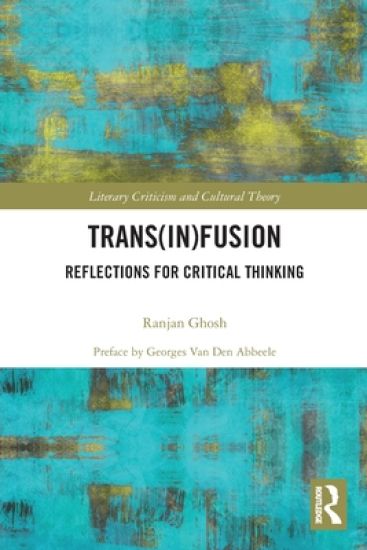
Trans(in)fusion

Trans(in)fusion

Ranjan Ghosh

Routledge
2020
sidottu
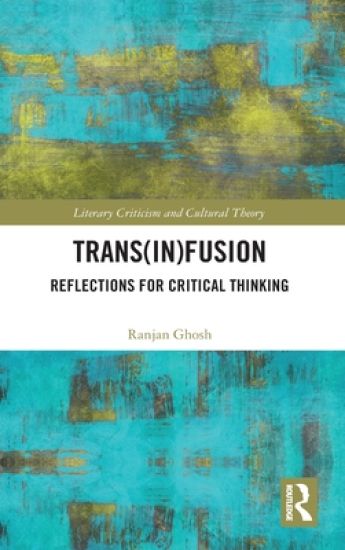
Trans(in)fusion is a highly original book that tries to radicalize our ways of ‘critical thinking’ across disciplines. The book, refreshingly, brings into play critical philosophy, literary criticism, studies in mathematics, physics, chemistry and developmental biology, and various other disciplines and epistemes to set up a tenure and tenor of ‘critical thinking’. The book is an exclusive intervention in how thinking across traditions and systems of thought can generate distinct interpretive experiences. It questions, in a unique transcultural and transversal bind, our ways of hermeneutic and literary-cultural thinking. Trans(in)fusion resets the dialectics between text and theory.
Trans(in)fusion

Trans(in)fusion

Ranjan Ghosh

TAYLOR FRANCIS LTD
2023
nidottu
Trans(in)fusion is a highly original book that tries to radicalize our ways of ‘critical thinking’ across disciplines. The book, refreshingly, brings into play critical philosophy, literary criticism, studies in mathematics, physics, chemistry and developmental biology, and various other disciplines and epistemes to set up a tenure and tenor of ‘critical thinking’. The book is an exclusive intervention in how thinking across traditions and systems of thought can generate distinct interpretive experiences. It questions, in a unique transcultural and transversal bind, our ways of hermeneutic and literary-cultural thinking. Trans(in)fusion resets the dialectics between text and theory.
Transcultural Poetics and the Concept of the Poet
Critiquing the politics and dynamics of the transcultural poetics of reading literature, this book demonstrates an ambitious understanding of the concept of the poet across a wide range of traditions – Anglo-American, German, French, Arabic, Chinese, Sanskrit, Bengali, Urdu – and philosophies of creativity that are rarely studied side by side. Ghosh carves out unexplored spaces of negotiation and intersections between literature, aesthetics and philosophy. The book demonstrates an original method of ‘global comparison’ that displaces the relatively staid and historicist categories that have underpinned comparative literature approaches so far, since they rarely dare stray beyond issues of influence and schools, or new 'world literature' approaches that affirm cosmopolitanism and transnationalism as overarching themes. Going beyond comparatism and reformulating the chronological patterns of reading, this bold book introduces new methodologies of reading literature to configure the concept of the poet from Philip Sidney to T. S Eliot, reading the notion of the poet through completely new theoretical and epistemic triggers. Commonly known texts and sometimes well-circulated ideas are subjected to refreshing reading in what the author calls the ‘transcultural now’ and (in)fusionised transpoetical matrices. By moving between theories of poetry and literature that come from widely separated times, contexts, and cultures, this book shows the relevance of canonical texts to a theory of the future as marked by post-global concerns.
A Lover's Quarrel with the Past

A Lover's Quarrel with the Past

Ranjan Ghosh

Berghahn Books
2012
sidottu
Although not a professional historian, the author raises several issues pertinent to the state of history today. Qualifying the ‘non-historian’ as an ‘able’ interventionist in historical studies, the author explores the relationship between history and theory within the current epistemological configurations and refigurations. He asks how history transcends the obsessive ‘linguistic’ turn, which has been hegemonizing literary/discourse analysis, and focuses greater attention on historical experience and where history stands in relation to our understanding of ethics, religion and the current state of global politics that underlines the manipulation and abuse of history.
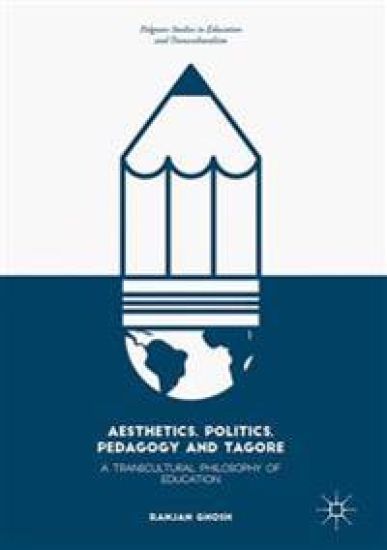
Aesthetics, Politics, Pedagogy and Tagore

Aesthetics, Politics, Pedagogy and Tagore

Ranjan Ghosh

Palgrave Macmillan
2017
sidottu
This book provides a radical rethinking of the prominent Indian thinker Rabindranath Tagore, exploring how his philosophy of education relates to the ideas of Western theorists such as Kant, Plato and Aristotle. Tagore's thoughts on pedagogy, university and formal education are subjected to a fascinating critique within Ghosh's transcultural framework, referencing a wide range of thinkers across varying time periods, places, and cultures, and developing a greater sensitivity to other traditions, languages, and forms of thinking and writing. The book changes the way we have so far thought about the educationist Tagore, and will be of interest to scholars and specialists of literature, Indian history, and philosophy of education. It is political, deeply philosophical and has a transcultural take on our understanding of a variety of issues relating to Tagore and to philosophy of education in general.
Transcultural Poetics and the Concept of the Poet
Critiquing the politics and dynamics of the transcultural poetics of reading literature, this book demonstrates an ambitious understanding of the concept of the poet across a wide range of traditions – Anglo-American, German, French, Arabic, Chinese, Sanskrit, Bengali, Urdu – and philosophies of creativity that are rarely studied side by side. Ghosh carves out unexplored spaces of negotiation and intersections between literature, aesthetics and philosophy. The book demonstrates an original method of ‘global comparison’ that displaces the relatively staid and historicist categories that have underpinned comparative literature approaches so far, since they rarely dare stray beyond issues of influence and schools, or new 'world literature' approaches that affirm cosmopolitanism and transnationalism as overarching themes. Going beyond comparatism and reformulating the chronological patterns of reading, this bold book introduces new methodologies of reading literature to configure the concept of the poet from Philip Sidney to T. S Eliot, reading the notion of the poet through completely new theoretical and epistemic triggers. Commonly known texts and sometimes well-circulated ideas are subjected to refreshing reading in what the author calls the ‘transcultural now’ and (in)fusionised transpoetical matrices. By moving between theories of poetry and literature that come from widely separated times, contexts, and cultures, this book shows the relevance of canonical texts to a theory of the future as marked by post-global concerns.
The Plastic Turn

The Plastic Turn

Ranjan Ghosh

CORNELL UNIVERSITY PRESS
2022
sidottu
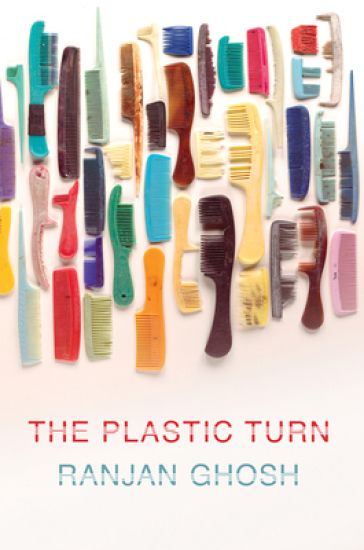
The Plastic Turn offers a novel way of looking at plastic as the defining material of our age and at the plasticity of plastic as an innovative means of understanding the arts and literature. Ranjan Ghosh terms this approach the material-aesthetic and, through this concept, traces the emergence and development of plastic polymers along the same historical trajectory as literary modernism. Plastic's growth as a product in the culture industry, its formation through multiple application and chemical syntheses, and its circulation via oceanic movements, Ghosh argues, correspond with, and offers novel insights into, developments in modernist literature and critical theory. Through innovative readings of canonical modernist texts, analyses of art works, and accounts of plastic's devastating environmental impact, The Plastic Turn proposes plastic's unique properties and destructive ubiquity as a "theory machine" to explain literature and life in the Anthropocene. Introducing several new concepts (like plastic literature, plastic literary, etc.) into critical-humanist discourse, Ghosh enmeshes literature and theory, materiality and philosophy, history and ecology, to explore why plastic as a substance and as an idea intrigues, disturbs, and haunts us.
The Plastic Turn

The Plastic Turn

Ranjan Ghosh

CORNELL UNIVERSITY PRESS
2022
pokkari
The Plastic Turn offers a novel way of looking at plastic as the defining material of our age and at the plasticity of plastic as an innovative means of understanding the arts and literature. Ranjan Ghosh terms this approach the material-aesthetic and, through this concept, traces the emergence and development of plastic polymers along the same historical trajectory as literary modernism. Plastic's growth as a product in the culture industry, its formation through multiple application and chemical syntheses, and its circulation via oceanic movements, Ghosh argues, correspond with, and offers novel insights into, developments in modernist literature and critical theory. Through innovative readings of canonical modernist texts, analyses of art works, and accounts of plastic's devastating environmental impact, The Plastic Turn proposes plastic's unique properties and destructive ubiquity as a "theory machine" to explain literature and life in the Anthropocene. Introducing several new concepts (like plastic literature, plastic literary, etc.) into critical-humanist discourse, Ghosh enmeshes literature and theory, materiality and philosophy, history and ecology, to explore why plastic as a substance and as an idea intrigues, disturbs, and haunts us.
Trans(in)fusion and Contemporary Thought

Trans(in)fusion and Contemporary Thought

Ranjan Ghosh

BLOOMSBURY PUBLISHING PLC
2023
sidottu
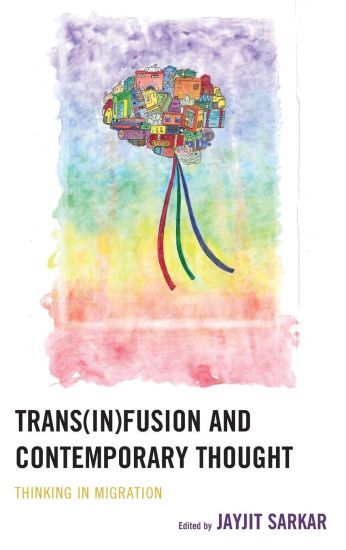
Trans(in)fusion and Contemporary Thought: Thinking in Migration engages with Ranjan Ghosh’s concept of trans(in)fusion and critical theory. Trans(in)fusion reexamines critical thinking and considers how thinking across traditions and systems of thought can generate distinct interpretive experiences. The chapters not only analyze Ghosh’s work but provide insight into the authors’ individual positions and critical approaches.
Plastic Tagore

Plastic Tagore

Ranjan Ghosh

Oxford University Press
2024
sidottu
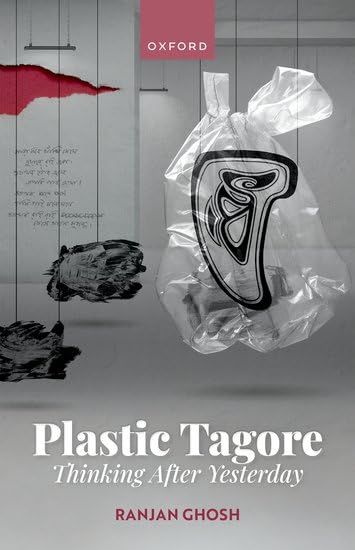
This book in Tagore studies offers a fresh analysis of Tagorean thought by working through the philosophy and poetics of plasticity. As a prominent figure in plastic theory,Ghoshexplores Tagore''s views on education, identity politics, environment, and literature through what he calls the 'plastic principle'. This deconstructs Tagore''s thinking on''sahitya'', ecosophy, historicity and philosophy of history, and aesthetic education and the notion of the political. Not a standard intellectual biography or historical study, this book radicalizes how we think and interpret Tagore to arrive at whatGhoshcalls Plastic Tagore. The book, thus, thinksafter yesterday.
Thinking Literature Across Continents

Thinking Literature Across Continents

Ranjan Ghosh; J. Hillis Miller

Duke University Press
2016
sidottu
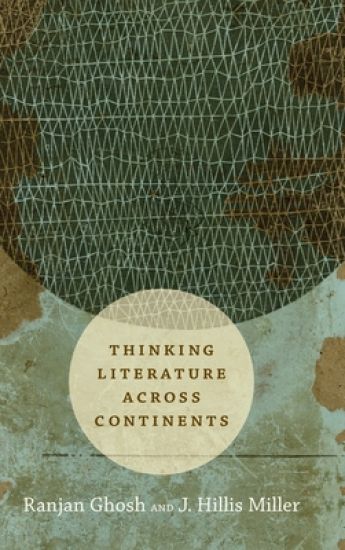
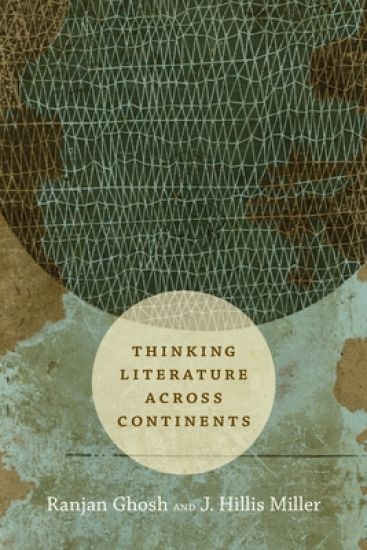
Thinking Literature across Continents finds Ranjan Ghosh and J. Hillis Miller-two thinkers from different continents, cultures, training, and critical perspectives-debating and reflecting upon what literature is and why it matters. Ghosh and Miller do not attempt to formulate a joint theory of literature; rather, they allow their different backgrounds and lively disagreements to stimulate generative dialogue on poetry, world literature, pedagogy, and the ethics of literature. Addressing a varied literary context ranging from Victorian literature, Chinese literary criticism and philosophy, and continental philosophy to Sanskrit poetics and modern European literature, Ghosh offers a transnational theory of literature while Miller emphasizes the need to account for what a text says and how it says it. Thinking Literature across Continents highlights two minds continually discovering new paths of communication and two literary and cultural traditions intersecting in productive and compelling ways.
Thinking Literature Across Continents

Thinking Literature Across Continents

Ranjan Ghosh; J. Hillis Miller

Duke University Press
2016
pokkari
Thinking Literature across Continents finds Ranjan Ghosh and J. Hillis Miller-two thinkers from different continents, cultures, training, and critical perspectives-debating and reflecting upon what literature is and why it matters. Ghosh and Miller do not attempt to formulate a joint theory of literature; rather, they allow their different backgrounds and lively disagreements to stimulate generative dialogue on poetry, world literature, pedagogy, and the ethics of literature. Addressing a varied literary context ranging from Victorian literature, Chinese literary criticism and philosophy, and continental philosophy to Sanskrit poetics and modern European literature, Ghosh offers a transnational theory of literature while Miller emphasizes the need to account for what a text says and how it says it. Thinking Literature across Continents highlights two minds continually discovering new paths of communication and two literary and cultural traditions intersecting in productive and compelling ways.