Kirjojen hintavertailu. Mukana 11 699 587 kirjaa ja 12 kauppaa.

Kirjahaku

Etsi kirjoja tekijän nimen, kirjan nimen tai ISBN:n perusteella.

17 kirjaa tekijältä Raul Moncayo

Lalangue, Sinthome, Jouissance, and Nomination
This reading companion and commentary on Lacan Seminar XXIII provides detailed analyses of Lacan's seminar while maintaining an overall continuity and consistency. This book does not purport to provide an exhaustive and systematic line-by-line reading of a very complex and varied seminar. Rather it selects key themes of Lacanian theory that are found present throughout his work. In addition, the book does not try to simplify Lacan's ambiguous style, leaving the text open to different interpretations, while providing theory, commentary, and lines of analysis into some of Lacan's important insights. Finally, this book is not about Joyce the writer, but more about the use that Lacan makes of Joyce. Its purpose is not to apply psychoanalysis to a literary subject, but rather to use the literary text to illustrate and develop psychoanalytic theory, and Lacanian theory in particular. It is an analysis of topology and language, or a linguisterie, as Lacan called it, for clinicians.
Evolving Lacanian Perspectives for Clinical Psychoanalysis
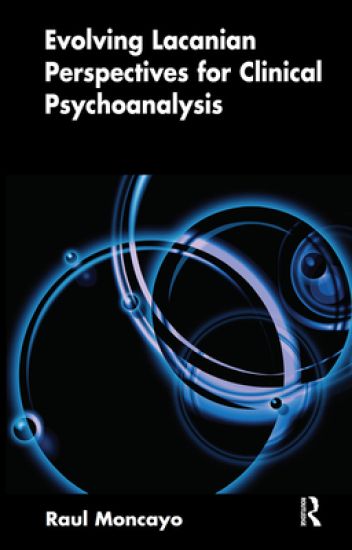
This book presents an evolving Lacanian reading of the psychoanalytic theory of narcissism, of the phases within Oedipus, transference, and within different types of analytic treatments. Sexual difference between psychical masculinity and femininity is formulated as a negative dialectic: both sexes are not without having and not having the phallus across levels of logical organization and the three registers of experience. Many clinical examples and vignettes are offered to illustrate Lacanian theory, the permutations within sexuation, as well as the various principles of Lacanian clinical practice.The Lacanian multiform criterion for the practice of psychoanalysis is presented as an alternative to the post-Freudian notions of a standard frame, or a holding environment. The criterion extends the use of psychoanalysis to a larger group of clinical, socio-economic, and multicultural populations. Finally, the book explores the criteria used for the authorization of the analyst, and how supervision differs from analysis, and from the teacher-student and lover-beloved relationships.
The Signifier Pointing at the Moon
Within the context of a careful review of the psychology of religion and prior non-Lacanian literature on the subject, Raul Moncayo builds a bridge between Lacanian psychoanalysis and Zen Buddhism that steers clear of reducing one to the other or creating a simplistic synthesis between the two. Instead, by making a purposeful "One-mistake" of "u
The Practice of Lacanian Psychoanalysis
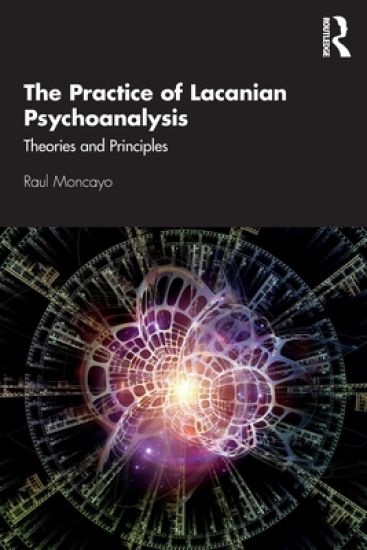
The Practice of Lacanian Psychoanalysis lays out an Aristotelian framework to account for the different types of knowing and not-knowing operative in the theory and practice of psychoanalysis. The book proposes a new model for diagnosis, giving preference to fewer over more diagnoses, and seeks to better organize them by distinguishing between structure and surface symptoms. It examines many principles of Lacanian clinical practice, including different types of frames and evidence, the practice of citation and listening, the resistance and desire of the analyst, transference love as a metaphor, the role of negative transference at the end of analysis, and the identification with the sinthome as Lacan's last formulation regarding the end of analysis. The text also suggests that there are three forms of love and hate based on the works of Lacan and Winnicott.Underpinned by extensive practical knowledge of the clinic and case examples for clinicians, analysts, and practicing Lacanian analysts, this book should be of interest to academics, scholars, and clinicians alike.
The Practice of Lacanian Psychoanalysis
The Practice of Lacanian Psychoanalysis lays out an Aristotelian framework to account for the different types of knowing and not-knowing operative in the theory and practice of psychoanalysis. The book proposes a new model for diagnosis, giving preference to fewer over more diagnoses, and seeks to better organize them by distinguishing between structure and surface symptoms. It examines many principles of Lacanian clinical practice, including different types of frames and evidence, the practice of citation and listening, the resistance and desire of the analyst, transference love as a metaphor, the role of negative transference at the end of analysis, and the identification with the sinthome as Lacan's last formulation regarding the end of analysis. The text also suggests that there are three forms of love and hate based on the works of Lacan and Winnicott.Underpinned by extensive practical knowledge of the clinic and case examples for clinicians, analysts, and practicing Lacanian analysts, this book should be of interest to academics, scholars, and clinicians alike.
The Emptiness of Oedipus

The Emptiness of Oedipus

Raul Moncayo

Routledge
2011
sidottu
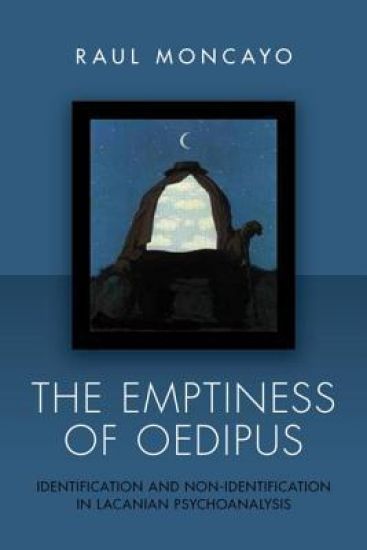
Lacan's seminar on identification marks a turning point from the early to the later years of his work. In this book, Raul Moncayo builds on many of the concepts that Lacan developed in his seminar, focusing on the relationship between the unary trait and narcissism that occurs via ruling ideas, master signifiers, and the objet a as a part object and a partial form of identification. Moncayo advances Lacanian psychoanalysis not only for its scholarly value, but also for its bearing on the clinical practice of psychoanalysis today.The question of Oedipus as a myth of Freud is the touchstone from which Lacan proposed to go beyond Freud and beyond the rock of castration. The Emptiness of Oedipus examines how the interpretation of Oedipus as a myth or dream, rather than a complex, provides a new way of understanding the end of analysis as the end of the identification with the analyst. The concept is proposed as Lacan’s postmodern or poststructuralist turn and as a fourth moment of Oedipus that is organized around the lack or emptiness of the Other.The Emptiness of Oedipus offers a fresh approach to Lacanian psychoanalysis and will appeal to analysts and psychotherapists as well as academics and postgraduates with an interest in Lacan.
The Emptiness of Oedipus

The Emptiness of Oedipus

Raul Moncayo

Routledge
2011
nidottu
Lacan's seminar on identification marks a turning point from the early to the later years of his work. In this book, Raul Moncayo builds on many of the concepts that Lacan developed in his seminar, focusing on the relationship between the unary trait and narcissism that occurs via ruling ideas, master signifiers, and the objet a as a part object and a partial form of identification. Moncayo advances Lacanian psychoanalysis not only for its scholarly value, but also for its bearing on the clinical practice of psychoanalysis today.The question of Oedipus as a myth of Freud is the touchstone from which Lacan proposed to go beyond Freud and beyond the rock of castration. The Emptiness of Oedipus examines how the interpretation of Oedipus as a myth or dream, rather than a complex, provides a new way of understanding the end of analysis as the end of the identification with the analyst. The concept is proposed as Lacan’s postmodern or poststructuralist turn and as a fourth moment of Oedipus that is organized around the lack or emptiness of the Other.The Emptiness of Oedipus offers a fresh approach to Lacanian psychoanalysis and will appeal to analysts and psychotherapists as well as academics and postgraduates with an interest in Lacan.
Lacan, Jouissance, and the Social Sciences

Lacan, Jouissance, and the Social Sciences

Raul Moncayo

TAYLOR FRANCIS LTD
2024
nidottu
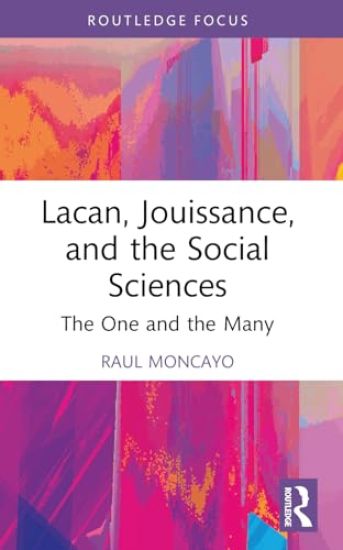
Exploring how a Freudian-Lacanian approach to psychoanalysis intersects with social and cultural theory, Lacan, Jouissance, and the Social Sciences demonstrates the significance of subjectivity as a concept for the study of leadership, social psychology, culture, and political theory.Raul Moncayo examines Lacan’s notion of surplus jouissance in relation to four types of socio-economic value: Productive Value, Exchange Value, Surplus Value, and Profit. Also drawing on the work of Slavoj Žižek, Moncayo contends that surplus production cannot be reduced to alienated labor but rather includes various levels of jouissance-value. In this way, the jouissance that drives capitalization and organization can be theorized as constructive rather than destructive and encompass satisfaction and prosperity rather than individual suffering and asceticism or living with less.This volume will be of great interest to psychoanalysts both in practice and in training and to academics and scholars of psychoanalytic studies, Lacanian studies, and social sciences.
Lacan, Jouissance, and the Social Sciences

Lacan, Jouissance, and the Social Sciences

Raul Moncayo

TAYLOR FRANCIS LTD
2023
sidottu
Exploring how a Freudian-Lacanian approach to psychoanalysis intersects with social and cultural theory, Lacan, Jouissance, and the Social Sciences demonstrates the significance of subjectivity as a concept for the study of leadership, social psychology, culture, and political theory.Raul Moncayo examines Lacan’s notion of surplus jouissance in relation to four types of socio-economic value: Productive Value, Exchange Value, Surplus Value, and Profit. Also drawing on the work of Slavoj Žižek, Moncayo contends that surplus production cannot be reduced to alienated labor but rather includes various levels of jouissance-value. In this way, the jouissance that drives capitalization and organization can be theorized as constructive rather than destructive and encompass satisfaction and prosperity rather than individual suffering and asceticism or living with less.This volume will be of great interest to psychoanalysts both in practice and in training and to academics and scholars of psychoanalytic studies, Lacanian studies, and social sciences.
Lacanian Psychoanalysis and American Literature
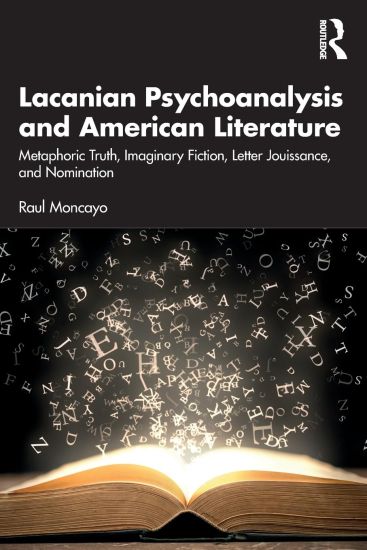
Lacanian Psychoanalysis and American Literature considers the psychoanalytic applications of three classic works of nineteenth-century literature, applying Lacanian concepts throughout. Moncayo imports the dynamisms and texture of three English and American stories with the aim of developing psychoanalytic theory, rather than simply confirming or applying previously adopted psychoanalytic concepts and theory. The author begins with The Purloined Letter by Edgar Allan Poe, assessing the differences between Derrida's and Lacan’s analysis of this famous story. The book then considers The Turn of the Screw by Henry James, using James’ text for an in-depth analysis of Lacan’s Seminar on the Logic of the Fantasy, and Wuthering Heights by Emily Brontë, considering "passage à l'acte", and the objet a as the Wind and Heart of the Signifier. The authors use Lacan’s later theories to cast a new interpretative light on the stories, much as Lacan himself did with the work of James Joyce. Lacanian Psychoanalysis and American Literature will be of interest to academics and scholars of literary studies, psychoanalytic and Lacanian studies, and Philosophy.
Lacanian Psychoanalysis and American Literature
Lacanian Psychoanalysis and American Literature considers the psychoanalytic applications of three classic works of nineteenth-century literature, applying Lacanian concepts throughout. Moncayo imports the dynamisms and texture of three English and American stories with the aim of developing psychoanalytic theory, rather than simply confirming or applying previously adopted psychoanalytic concepts and theory. The author begins with The Purloined Letter by Edgar Allan Poe, assessing the differences between Derrida's and Lacan’s analysis of this famous story. The book then considers The Turn of the Screw by Henry James, using James’ text for an in-depth analysis of Lacan’s Seminar on the Logic of the Fantasy, and Wuthering Heights by Emily Brontë, considering "passage à l'acte", and the objet a as the Wind and Heart of the Signifier. The authors use Lacan’s later theories to cast a new interpretative light on the stories, much as Lacan himself did with the work of James Joyce. Lacanian Psychoanalysis and American Literature will be of interest to academics and scholars of literary studies, psychoanalytic and Lacanian studies, and Philosophy.
The Concept of the Individual in Psychoanalysis
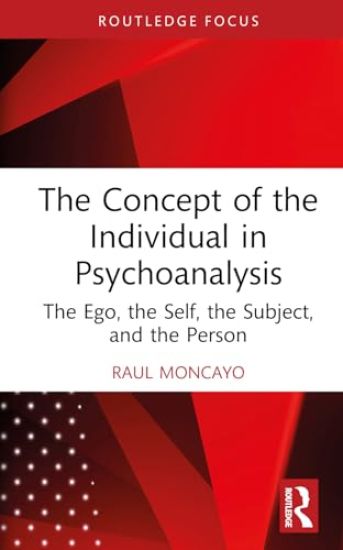
The Concept of the Individual in Psychoanalysis considers the different conceptions of the individual that are found in psychoanalysis according to the culture in which it operates, and its political structure.Considering the origins and use of concepts including the Ego, the Self, the Subject, and the Person, Raul Moncayo integrates Lacanian analysis with Freudian and Jungian theory, philosophy, and religion. Moncayo expands on the concepts in different cultures and political structures, including English, French, German, and Chinese. The book also considers the concept of the self as used by Winnicott, Kohut, and Lacan.The Concept of the Individual in Psychoanalysis will be of great interest to psychoanalysts in practice and in training, and to academics and students of Lacanian and psychoanalytic studies.
The Mind of Complex Numbers and the Subject in Analyses
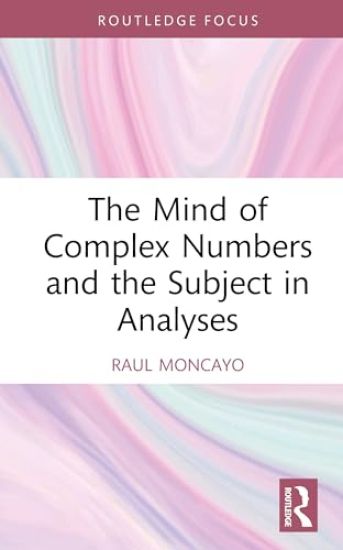
In The Mind of Complex Numbers and the Subject in Analyses, Raul Moncayo uses the complex plane to evaluate analytic outcomes. Moncayo’s approach provides a study of the process and outcome of singular analyses that does not rely on the methods and questionnaires of psychotherapy or medical research.With reference to topology and abstract mathematics, Moncayo explores the limits of the Cartesian plane for predicting the capacity for sublimation and positive outcome. By integrating the complex plane, Moncayo arrives at an exact number to ‘arithmetize’ symptoms and human capacities.This book represents a new approach to Lacanian analysis and outcomes that will be of great interest to Lacanian analysts in practice and in training.
The Knowledge of the Psychoanalyst

The Knowledge of the Psychoanalyst

Raul Moncayo

TAYLOR FRANCIS LTD
2025
sidottu
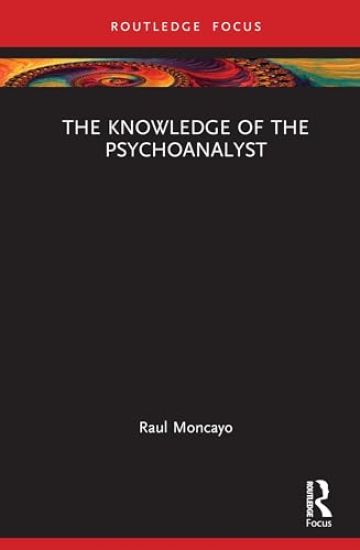
The Knowledge of the Psychoanalyst documents Raul Moncayo’s practice of analysis over a period of 25 years.Exploring different aspects of knowledge in the work of Freud and Lacan, Moncayo considers themes including not-knowing as opposed to non-knowing, truth, and ignorance. The book considers unconscious guilt, S1 signifiers, understandings of history as both linear and circular, and the different levels of mind in Mahayana Buddhism and psychoanalysis. The book also presents cases of obsessional neurosis and hysteria in the Lacanian sense. The book concludes with Moncayo’s own interpretation of Lacan’s theory, in the same way that Lacan had his own interpretation of Freud.The Knowledge of the Psychoanalyst will be of great interest to Lacanian analysts in practice and in training, and academics and scholars of Lacanian theory.
Evolving Lacanian Perspectives for Clinical Psychoanalysis
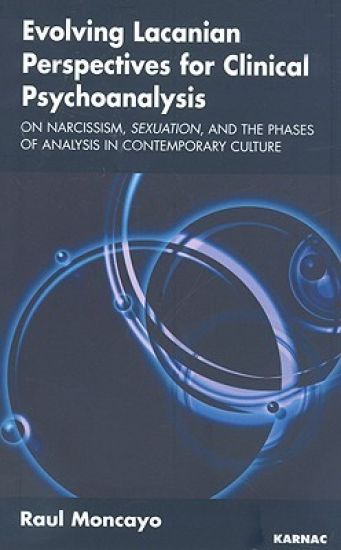
This book presents an evolving Lacanian reading of the psychoanalytic theory of narcissism, of the phases within Oedipus, transference, and within different types of analytic treatments. Sexual difference between psychical masculinity and femininity is formulated as a negative dialectic: both sexes are not without having and not having the phallus across levels of logical organization and the three registers of experience. Many clinical examples and vignettes are offered to illustrate Lacanian theory, the permutations within sexuation, as well as the various principles of Lacanian clinical practice.The Lacanian multiform criterion for the practice of psychoanalysis is presented as an alternative to the post-Freudian notions of a standard frame, or a holding environment. The criterion extends the use of psychoanalysis to a larger group of clinical, socio-economic, and multicultural populations. Finally, the book explores the criteria used for the authorization of the analyst, and how supervision differs from analysis, and from the teacher-student and lover-beloved relationships.
Knowing, Not-Knowing, and Jouissance

Knowing, Not-Knowing, and Jouissance

Raul Moncayo

Springer Nature Switzerland AG
2019
nidottu
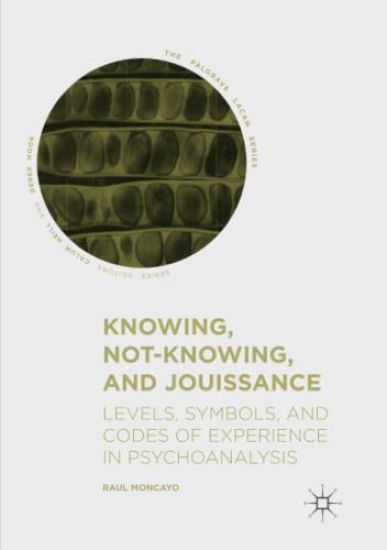
This book explores the practice and transmission of Lacanian and Freudian theory. It discusses the pure versus applied analysis of Lacanian and Freudian theory in practice; and the hierarchical versus circular transmissions within psychoanalytic organizations.Underpinned by extensive practical knowledge of the clinic, this work examines the differences between Freud and Lacan in their understanding of the subject and the unconscious and pushes them in new directions. The book also offers an analysis and commentary of several key Lacanian texts including an accessible study of the notoriously challenging text L'etourdit. Offering both divergent and reinforcing takes on Lacan, the author explores the traits that separate out the psychoanalyst from other twentieth-century thinkers and theorists. This book offers a clear clinical picture of where Lacanian psychoanalysis is today, both in the US and internationally.
Knowing, Not-Knowing, and Jouissance

Knowing, Not-Knowing, and Jouissance

Raul Moncayo

Springer International Publishing AG
2018
sidottu
This book explores the practice and transmission of Lacanian and Freudian theory. It discusses the pure versus applied analysis of Lacanian and Freudian theory in practice; and the hierarchical versus circular transmissions within psychoanalytic organizations.Underpinned by extensive practical knowledge of the clinic, this work examines the differences between Freud and Lacan in their understanding of the subject and the unconscious and pushes them in new directions. The book also offers an analysis and commentary of several key Lacanian texts including an accessible study of the notoriously challenging text L'etourdit. Offering both divergent and reinforcing takes on Lacan, the author explores the traits that separate out the psychoanalyst from other twentieth-century thinkers and theorists. This book offers a clear clinical picture of where Lacanian psychoanalysis is today, both in the US and internationally.