Kirjojen hintavertailu. Mukana 11 244 527 kirjaa ja 12 kauppaa.

Kirjahaku

Etsi kirjoja tekijän nimen, kirjan nimen tai ISBN:n perusteella.

2 kirjaa tekijältä Ray A. March

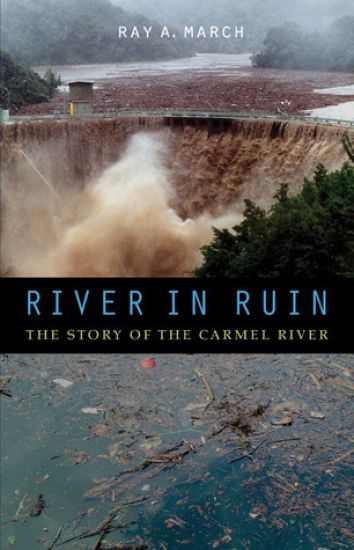
River in Ruin

River in Ruin

Ray A. March

Bison Books
2012
sidottu
The thin ribbon of the Carmel River is just thirty-six miles long and no wider in most places than a child can throw a stone. It is the primary water supply for the ever-burgeoning presence of tourists, agriculture, and industry on California's Monterey Peninsula. It is also one of the top ten endangered rivers in North America. The river's story, which dramatically unfolds in this book, is an epic tale of exploitation, development, and often unwitting degradation reaching back to the first appearance of Europeans on the pristine peninsula. River in Ruin is a precise weaving of water history—local and larger—and a natural, social, and environmental narrative of the Carmel River. Ray A. March traces the river's misuse from 1879 and details how ever more successful promotions of Monterey demanded more and more water, leading to one dam after another. As a result the river was disastrously depleted, cluttered with concrete rubble, and inhospitable to the fish prized by visitors and residents alike. March's book is a cautionary tale about squandering precious water resources—about the ultimate cost of a ruined river and the slim but urgent hope of bringing it back to life.
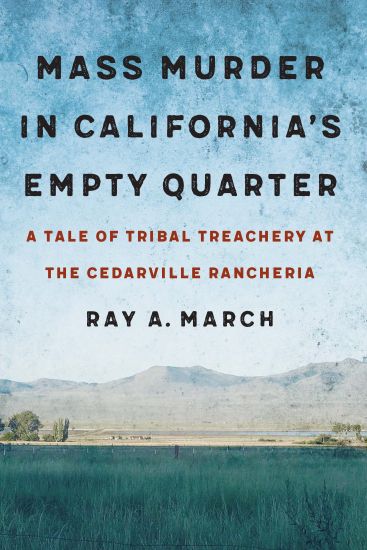
Mass Murder in California's Empty Quarter

Mass Murder in California's Empty Quarter

Ray A. March

University of Nebraska Press
2020
sidottu
Mass Murder in California’s Empty Quarter exposes a story of mass murder, a community’s racism, and tribal treachery in a small Paiute tribe.On February 20, 2014, an unseasonably warm winter day for the little agriculture town of Alturas, California, Cherie Rhoades walked into the Cedarville Rancheria’s Paiute tribal offices. In the space of nine minutes she killed four people and wounded two others using two 9mm semiautomatic handguns. In that time she slayed half of her immediate family and became only the second woman, and the first Native American woman, to commit mass murder in the United States. Ray A. March threads the story through the afternoon of the murders and explores the complex circumstances that led to it, including conditions of extreme economic disparity, privations resulting from tribal disenrollment, ineptness at the Bureau of Indian Affairs, and family dysfunction coupled with a possible undiagnosed mental illness. This account of the tragic murders and the deplorable conditions leading up to them shed light on the formidable challenges Native Americans face in the twenty-first century as they strive to govern themselves under the guise of U.S.-sanctioned sovereignty.