Kirjojen hintavertailu. Mukana 11 244 527 kirjaa ja 12 kauppaa.

Kirjahaku

Etsi kirjoja tekijän nimen, kirjan nimen tai ISBN:n perusteella.

4 kirjaa tekijältä Reynold Humphries

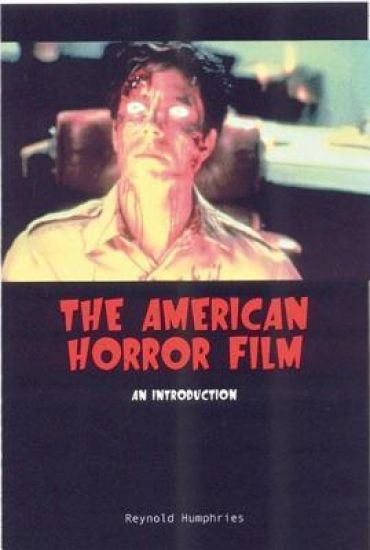
The American Horror Film

The American Horror Film

Reynold Humphries

Edinburgh University Press
2002
nidottu
The American Horror Film is the first overview of this popular genre. It moves from Dracula in 1931 to contemporary films such as Scream and The Sixth Sense. The various characters that recur in horror films - Dracula, Frankenstein, Dr Jekyll, the Mummy, the Werewolf - are discussed, as are repeated themes such as the mad scientist, nuclear anxiety, psychological 'monsters', the living dead, and 'slasher' movies. Key directors including Jacques Tourneur, David Cronenberg, Roger Corman and Joe Dante are covered. The emphasis is on accessibility: while theory is included through reference to gender and politics, women's studies and psychoanalysis, it is introduced carefully and in direct relation to the films being discussed. No prior knowledge of the subject area is assumed. An extensive Filmography is included and reference is made at the appropriate point to the most pertinent writing on horror. Overall, this is an ideal introduction to the area for all students and general readers interested in the American horror film. Key Features: *Includes 10 film stills *Covers major films such as King Kong, Little Shop of Horrors, Psycho, The Exorcist, The Omen and I Know What You Did Last Summer *Only up-to-date textbook on the subject.
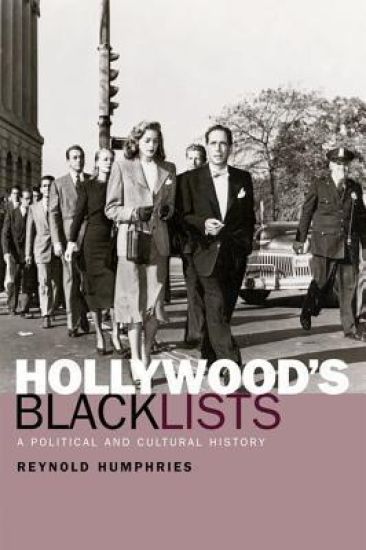
Hollywood's Blacklists

Hollywood's Blacklists

Reynold Humphries

Edinburgh University Press
2010
nidottu
'Are you now or have you ever been a member of the Communist Party?' That question was to be repeated endlessly during the anti-Communist investigations carried out by the House Committee on un-American Activities (HUAC) in the early 1950s. The refusal of ten members of the film industry to answer the question in 1947 led to the decision by studio bosses to fire them and never to hire known Communists in the future. The Hearings led to scores of actors, writers and directors being named as Communists or sympathisers. All were blacklisted and fired. Hollywood's Blacklists is a history of the political and cultural factors relevant to understanding the why and the how of the various investigations of the alleged Communist infiltration of Hollywood. What was HUAC? What propaganda role did films play during World War II and the Cold War? What values were at stake in the confrontation between Left and Right that saw the former so resoundingly defeated and expelled from Hollywood? Answers to these and other questions are offered via analyses of the motives of the various players and of the tactics deployed by HUAC to reward collaboration and punish dissent. Key themes include: *Trade unionism in Hollywood in the 1930s and 1940s *Anti-Semitism and Nazism, Hollywood anti-Nazi propaganda films and the patriotic war effort *The Cold War and concomitant hostility to all dissidence *The consequences for Hollywood: the collapse of the liberal-Communist consensus; naming names; exile for many and the use of 'fronts' by blacklisted writers.
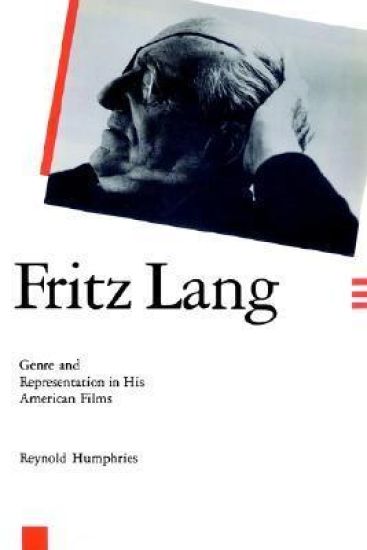
Fritz Lang

Fritz Lang

Reynold Humphries

Johns Hopkins University Press
2004
pokkari
Challenging the myth that Fritz Lang's best work ended when he reached Hollywood, Reynold Humphries takes a new look at seventeen of the director's twenty-two American films. Made between 1936 and 1956, these films- Fury, You Only Live Once, You and Me, Man Hunt, Hangmen Also Die, The Ministry of Fear, The Woman in the Window, Scarlet Street, Cloak and Dagger, Secret beyond the Door, House by the River, Rancho Notorious, The Blue Gardenia, The Big Heat, Moonfleet, While the City Sleeps, and Beyond a Reasonable Doubt-broadly validate the insights of auteur theory while emphasizing the importance of the narrative and representational codes peculiar to a given genre. Humphries examines these films in light of semiotics and psychoanalysis, drawing on Freud's "Wolfman" case and Lacan's theories of "the subject" and "the look" to bring novel solutions to crucial theoretical problems in such areas as the spectator, classical film narrative, and genre. In applying critical theory to Lang's Hollywood-made film noirs, melodramas, Westerns, and spy films, Humphries provocatively complicates auteur theory and revitalizes an unjustly neglected phase in the career of one of cinema's boldest visionaries.
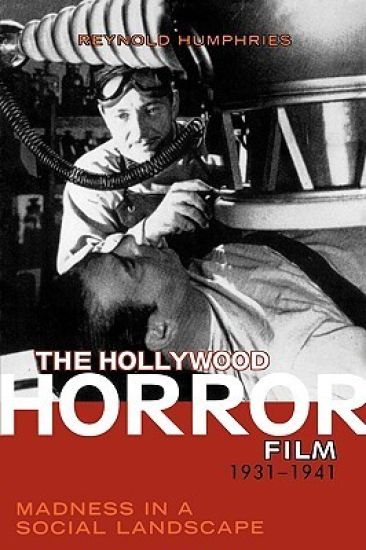
The Hollywood Horror Film, 1931-1941

The Hollywood Horror Film, 1931-1941

Reynold Humphries

Scarecrow Press
2006
nidottu
In February 1931, Universal Studios released Dracula, starring Bela Lugosi. As a result of the film's considerable—and unexpected—success, Universal and the other Hollywood studios quickly cashed in on this genre. In the following decade such classics as Freaks, Frankenstein, King Kong, White Zombie, The Mummy, The Wolfman, and Dr. Jekyll and Mr. Hyde, along with a number of lesser known but significant works, were produced. But these films tend to be neglected as a serious object of study. The main interest shown in them comes from fanzines whose critics often place the accent on the anecdotal at the expense of analysis. And serious studies undertaken by sociologists and specialists in cultural studies either prefer themes and content or choose to study the films as reflecting the concerns, albeit unconsciously, of the period. In The Hollywood Horror Film, 1931-1941: Madness in a Social Landscape, Reynold Humphries analyzes representative films of this era and discusses their impact upon audiences at the time. He evaluates what their success says about the society that consumed them and about the filmmakers who produced them—particularly the unconscious dimension of the films and their ideological ramifications. According to Humphries, prejudices of a social, racial, and sexual nature on the part of Hollywood's censors and the press went hand in hand with a sense of growing unease at what was being portrayed on the screen. Concentrating on abnormal and often sadistic acts, on an unbridled striving after power, and on the mad doctor/scientist's indifference to others, horror films of the era act out society's division along lines of class and economics. Brutal exploitation went beyond the monstrous acts of an individual to assume a social dimension where collective interests come to the fore by the way they are trampled on. One of the aims of this book is to pinpoint how the "political unconscious" of the films in question reveals points of contact