

Kirjahaku
Etsi kirjoja tekijän nimen, kirjan nimen tai ISBN:n perusteella.
5 kirjaa tekijältä Richard Adler
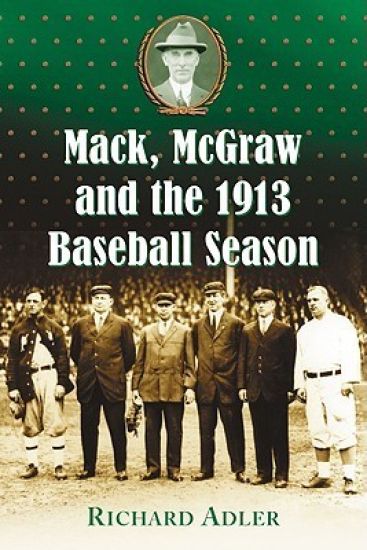
Few franchises in the deadball era won as consistently or as often as the New York Giants and Philadelphia Athletics. Between them, the teams claimed 12 pennants and finished second or higher 22 times. The steady success also earned managers John McGraw and Connie Mack their reputations. It was history in the making, then, when the two Hall of Famers led their clubs into the 1913 World Series, the third and final time they went head to head for the world championship. The author provides a carefully researched account of the season-long dominance of the Giants and A's, the narrative building toward a dramatic collision in the Fall Classic.
During the mid- to late 19th century, Detroit and the American Midwest were the sites of five major cholera epidemics. The first of these, the 1832 outbreak, was of particular significance--an unexpected consequence of the Black Hawk War. In order to suppress the Native American uprising then taking place in regions around present-day Illinois, General Winfield Scott had been ordered by President Andrew Jackson to transport his troops from Virginia to the Midwest. While passing through New York State the men were exposed to cholera, transmitting the disease to the population of Detroit once they reached that city. As a result, cholera was established as an endemic disease in the upper Midwest. Further outbreaks took place in 1834, 1849, 1854 and 1866, ultimately resulting in the deaths of hundreds of individuals. This book is the story of those outbreaks and the efforts to control them.
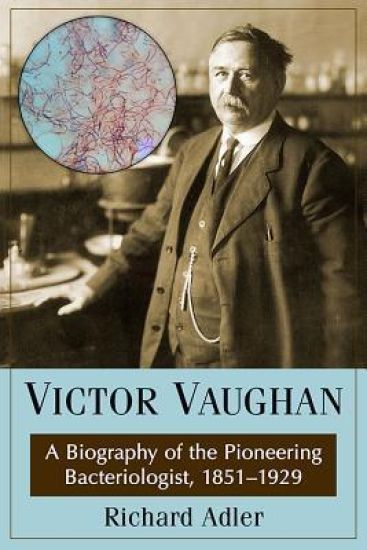
Victor Vaughan's career at the University of Michigan spanned more than four decades, beginning with his graduate studies in physiological chemistry during the 1870s and ending in 1921 with his retirement after three decades as dean of the medical school. Not only was he instrumental in modernizing medical training at Michigan, his work in areas of hygiene, epidemiology and the study of toxins and infectious disease was highly regarded on the national scene. Twice he was called upon to serve his country in times of crisis. During the Spanish-American War he was a key member of the Typhoid Commission which investigated the outbreak of the life-threatening fever among army recruits in southern camps. During World War I, he was a member of the medical board within the Council of National Defense which contended with an unprecedented influenza outbreak. Vaughan's professional work included more than 250 published papers and some 17 books, many outlining laboratory techniques that modernized the newly evolving field of bacteriology.
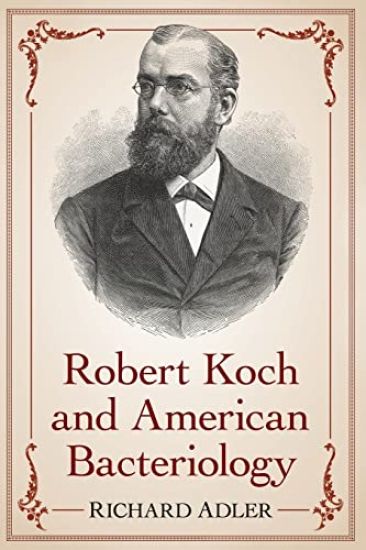
In bacteriology's Golden Age (roughly 1870-1890) European physicians focused on bacteria as causal agents of disease. Advances in microscopy and laboratory methodology--including the ability to isolate and identify micro-organisms--played critical roles. Robert Koch, the most well known of the European researchers for his identification of the etiological agents of anthrax, tuberculosis and cholera, established in Germany the first teaching laboratory for training physicians in the new methods. Bacteriology was largely absent in early U.S. medical schools. Dozens of American physicians-in-training enrolled in Koch's course in Germany, and many established bacteriology courses upon their return. This book highlights those who became acknowledged leaders in the field and whose work remains influential.