Kirjojen hintavertailu. Mukana 11 699 587 kirjaa ja 12 kauppaa.

Kirjahaku

Etsi kirjoja tekijän nimen, kirjan nimen tai ISBN:n perusteella.

5 kirjaa tekijältä Richard C. Beacham

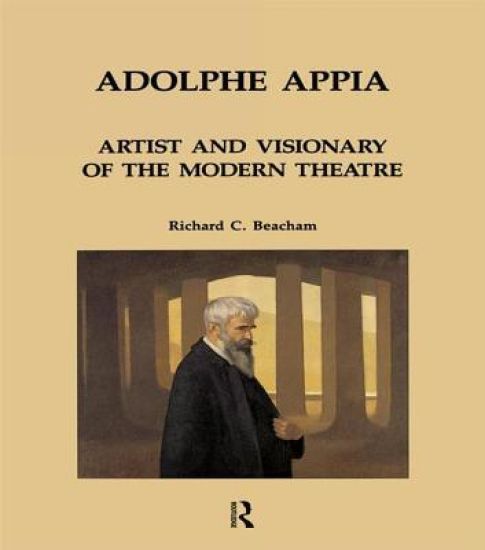
Adolphe Appia

Adolphe Appia

Richard C. Beacham

Routledge
1993
sidottu
Adolphe Appia swept away the foundations of traditional theatre and set the agenda for the development of theatrical practice this century. In Adolphe Appia: Texts on Theatre, Richard Beacham brings together for the first time selections from all his major writings. The publication of these essays, many of which have long been unavailable in English, represents a significant addition to our understanding of the development of theatrical art. It will be an invaluable sourcebook for theatre students and welcomed as an important contribution to the literature of the modern stage.
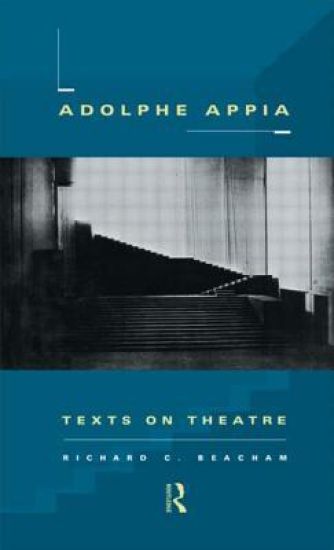
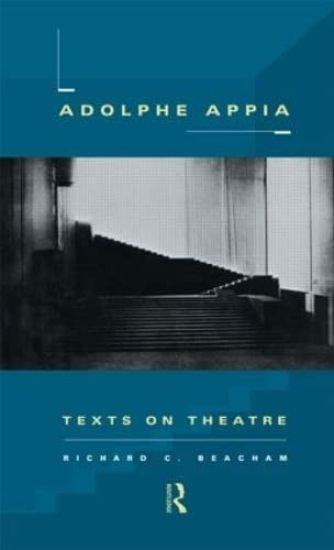
Adolphe Appia

Adolphe Appia

Richard C. Beacham

Routledge
2011
nidottu
Adolphe Appia swept away the foundations of traditional theatre and set the agenda for the development of theatrical practice this century. In Adolphe Appia: Texts on Theatre, Richard Beacham brings together for the first time selections from all his major writings. The publication of these essays, many of which have long been unavailable in English, represents a significant addition to our understanding of the development of theatrical art. It will be an invaluable sourcebook for theatre students and welcomed as an important contribution to the literature of the modern stage.
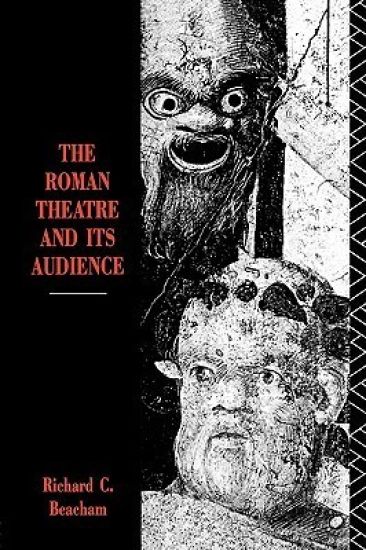
The Roman Theatre and Its Audience

The Roman Theatre and Its Audience

Richard C. Beacham

Harvard University Press
1996
pokkari
Drawing on recent archaeological investigations, new scholarship, and the author's own original research and staging experience, this book offers a new and fascinating picture of theatrical performance in the ancient world. Richard Beacham traces the history of the Roman theatre, from its origins in the fourth century B.C. to the demise of formal theatrical activity at the end of antiquity. He characterizes the comedy of Plautus and Terence and the audience to which the Roman playwrights were appealing; describes staging, scenery, costuming, and performance style; and details a variety of theatrical forms, including comedy, tragedy, mime, pantomime, and spectacles.