

Kirjahaku
Etsi kirjoja tekijän nimen, kirjan nimen tai ISBN:n perusteella.
12 kirjaa tekijältä Richard V. Simpson
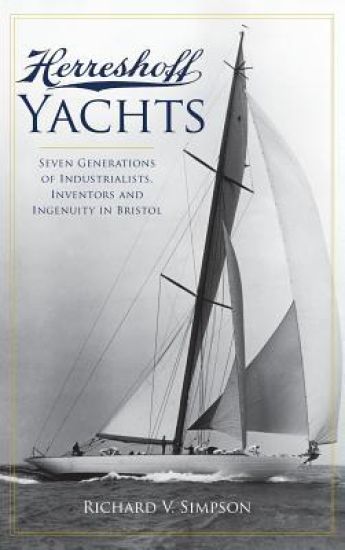
Herreshoff Yachts: Seven Generations of Industrialists, Inventors and Ingenuity in Bristol
Richard V. Simpson
History Press Library Editions
2007
sidottu
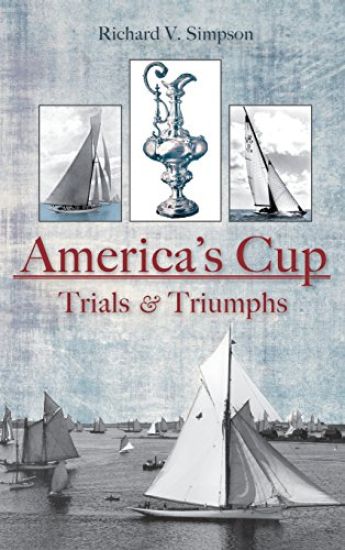
America's Cup: Trials & Triumphs is a concise history of some of the most interesting of the international struggles for possession of the acclaimed Cup. But more than that, Simpson writes about the ingenuity and technical advancements made over the years in hull and sail design for swift oceangoing sailing yachts. Not satisfied by relating only the history of the America's Cup challenges and defenses, Simpson illustrates some of the interesting events that have changed commercial sailing into the popular sport of sailboat racing. A sport that was once the singular pleasure of wealthy barons of industry is now enjoyed by thousands of middle-class citizens from many nations with access to the sea. Also included in this volume are sailing techniques, maneuvers and useful nautical terminology.

The Quest for the America's Cup: Sailing to Victory
Richard V. Simpson
History Press Library Editions
2012
sidottu
For over one hundred and fifty years, the America's Cup has been the premier prize as yachtsmen have been pitted against sailors from around the world in an effort to win this prestigious race. The race takes its name from the champion schooner America, which was created due in large part to the efforts of New York Yacht Club founder John Cox Stevens. Author Richard V. Simpson sheds new light on long-forgotten stories of the early quests for the coveted Cup. Among the notable yachtsmen profiled are Sir Thomas Johnstone Lipton, who earned a special award for being the race's best loser, and Ted Hood, who owned a sail-making company that developed the Dacron cloth from which the twelve-meter sails were cut. This history comes to life with exciting descriptions of the yachts, the races and the colorful personalities of those who longed to capture the greatest prize in yacht racing.
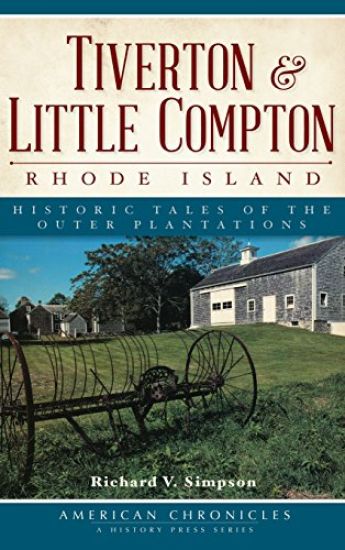
Tiverton & Little Compton, Rhode Island: Historic Tales of the Outer Plantations
Richard V. Simpson
History Press Library Editions
2012
sidottu
Tiverton and Little Compton sit perched off the mainland of Rhode Island, where they have carved out a unique culture and history for centuries. The sketches contained in this book provide an in-depth look at the region, tracing its evolution through architecture, like the Nathaniel Briggs House, believed to be the oldest in the region; through industry, detailing the establishment of the Old Colony and Newport Railroad; and through some of the region's famous people and events. Learn how General William Barton captured British general Prescott in 1777 and how Captain Benjamin Church became a heroic Indian fighter, defeating King Philip. Author Richard V. Simpson traces the inextricably linked history of these two towns.

Historic Tales of Colonial Rhode Island: Aquidneck Island and the Founding of the Ocean State
Richard V. Simpson
History Press Library Editions
2012
sidottu
Roger Williams purchased the fertile Aquidneck Island from the Narragansett tribe in 1637. It was here that Anne Hutchinson, along with William Coddington and other colonists who had been banished from the Massachusetts Bay Colony, found shelter from persecution. The intrepid dissenters of Rhode Island Colony saw their community flourish with the founding of Portsmouth and Newport townships. The Battle of Rhode Island was the only clash between American colonials and the British on Rhode Island soil during the Revolutionary War. From the mercantile success of the Atlantic triangle trade routes to the establishment of the United States Navy, noted historian Richard V. Simpson brings these and other stories from the Ocean State to life. Join Simpson as he explores the landmarks and architecture of the period to discover the remnants of Rhode Island's colonial past.


America's Cup: Trials & Triumphs is a concise history of some of the most interesting of the international struggles for possession of the acclaimed Cup. But more than that, Simpson writes about the ingenuity and technical advancements made over the years
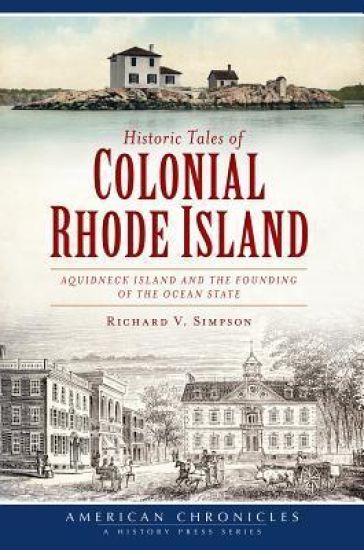
Historic Tales of Colonial Rhode Island:: Aquidneck Island and the Founding of the Ocean State
Richard V. Simpson
History Press
2012
nidottu
A fascinating history of the landmarks and architecture that serve as the remnants of Rhode Island's colonial past.Roger Williams purchased the fertile Aquidneck Island from the Narragansett tribe in 1637. The intrepid dissenters of Rhode Island Colony saw their community flourish with the founding of Portsmouth and Newport townships. It was here that Anne Hutchinson, along with William Coddington and other colonists who had been banished from the Massachusetts Bay Colony, found shelter from persecution. The Battle of Rhode Island was the only clash between American colonials and the British on Rhode Island soil during the Revolutionary War. From the mercantile success of the Atlantic triangle trade routes to the establishment of the United States Navy, noted historian Richard V. Simpson brings these and other stories from the Ocean State to life. Join Simpson as he explores the landmarks and architecture of the period to discover the remnants of Rhode Island's colonial past.

Thomas J. Lipton's America's Cup Campaigns is the saga on one man's three decade obsession with winning the America's Cup. This is author Richard V. Simpson's fifth title concerning the quest for the America's Cup-the Blue Riband prize for the sport of large ocean racing yachts. In this book, Simpson relates brief stories of some of the most interesting of the early races for the Cup which lead up to the Lipton challenges. The narrative covers the development of the early sloops and schooners from wood, to metal and the challenges faced by designers. For this narrative Simpson has searched century-old tabloids for early sport writers' predictions and observation of the contestants; he has resurrected many long-forgotten contemporary accounts relative to late nineteenth- and early twentieth-century yachts built especially as America's Cup racers. This historical account of the Lipton and Herreshoff face-offs is a sterling read for professional, amateur, and armchair sailor.
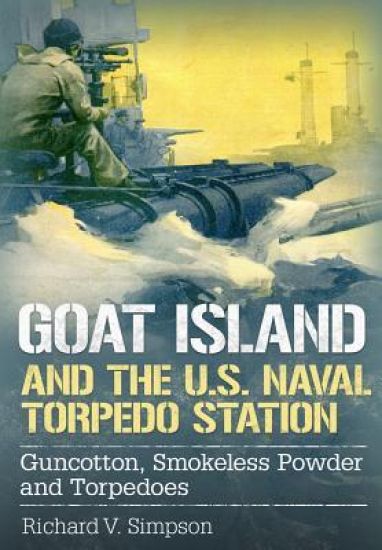
Weak maritime nations have always sought to augment the strength of their coastal defenses and navies by the use of "diabolical" contrivances for destroying an invader's ships. The history of the adoption of the torpedo as a recognized implement of warfare is not unlike that of gunpowder or of exploding shells. Each in its turn was met by the cry, "Inhuman, barbarous, unchivalrous." During the American Civil War, the Confederate Navy employed submerged mines, called torpedoes, and explosive charges mounted on a long pole referred to as the "spar torpedo" which was bumped into the hull of an enemy vessel exploding on contact. These weapons enjoyed great success during the conflict. In July 1869, the Secretary of the Navy announced the establishment of the Naval Torpedo Station on Goat Island in the harbor of Newport, Rhode Island, for development of a more sophisticated and deadlier self-propelled torpedo. From its founding until the end of the Second World War, the Naval Torpedo Station has been the Navy's principal center for the design of torpedoes. Newport continues as the home of the U.S. Navy's most important laboratory for research and development of modern weapons' systems.

The picturesque images and steadfast spirit of small-town America thrive within Bristol. One need only to look along its tree-lined streets and centuries-old waterfront and into its historic homes and buildings to see the romance of Rhode Island's past mingling with its present. Heritage and tradition, especially its long-running celebrations of the Fourth of July, are essential in understanding the character and identity of this little town on the bay. Bristol: Montaup to Poppasquash takes readers on a unique journey through the community's past, beginning with the voyages of early Norse explorers and detailing major events that shaped the town's history, including the King Philip's War, the Revolutionary War, and a variety of other military conflicts that took local men and women away from their homes. Not only evoking memories of yesteryear, this compelling illustrated history explores the evolving personality of Bristol over the passing decades, from its days as a small fishing village and a haven for privateers to its present status as a premier boat-building center.