Kirjojen hintavertailu. Mukana 11 342 296 kirjaa ja 12 kauppaa.

Kirjahaku

Etsi kirjoja tekijän nimen, kirjan nimen tai ISBN:n perusteella.

5 kirjaa tekijältä Robert A. Rushing

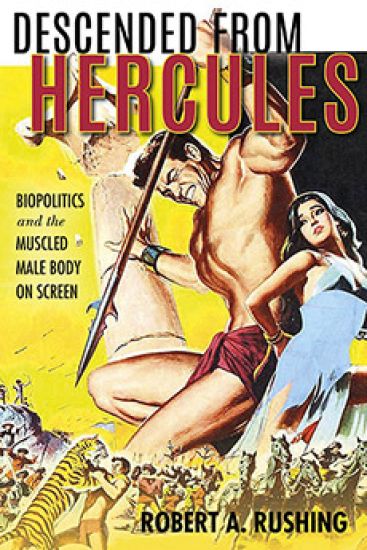
Descended from Hercules

Descended from Hercules

Robert A. Rushing

Indiana University Press
2016
sidottu
Muscles, six-pack abs, skin, and sweat fill the screen in the tawdry and tantalizing peplum films associated with epic Italian cinema of the 1950s and 1960s. Using techniques like slow motion and stopped time, these films instill the hero's vitality with timeless admiration and immerse the hero's body in a world that is lavishly eroticized but without sexual desire. These "sword and sandal" films represent a century-long cinematic biopolitical intervention that offers the spectator an imagined form of the male body—one free of illness, degeneracy, and the burdens of poverty—that defends goodness with brute strength and perseverance, and serves as a model of ideal citizenry. Robert A. Rushing traces these epic heroes from Maciste in Cabiria in the early silent era to contemporary transnational figures like Arnold Schwarzenegger in Conan the Barbarian, and to films such as Zach Snyder's 300. Rushing explores how the very tactile modes of representation cement the genre's ideological grip on the viewer.
Descended from Hercules

Descended from Hercules

Robert A. Rushing

Indiana University Press
2016
pokkari
Muscles, six-pack abs, skin, and sweat fill the screen in the tawdry and tantalizing peplum films associated with epic Italian cinema of the 1950s and 1960s. Using techniques like slow motion and stopped time, these films instill the hero's vitality with timeless admiration and immerse the hero's body in a world that is lavishly eroticized but without sexual desire. These "sword and sandal" films represent a century-long cinematic biopolitical intervention that offers the spectator an imagined form of the male body—one free of illness, degeneracy, and the burdens of poverty—that defends goodness with brute strength and perseverance, and serves as a model of ideal citizenry. Robert A. Rushing traces these epic heroes from Maciste in Cabiria in the early silent era to contemporary transnational figures like Arnold Schwarzenegger in Conan the Barbarian, and to films such as Zach Snyder's 300. Rushing explores how the very tactile modes of representation cement the genre's ideological grip on the viewer.
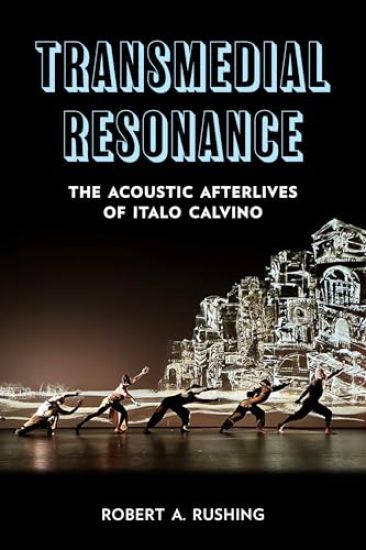
Transmedial Resonance

Transmedial Resonance

Robert A. Rushing

FORDHAM UNIVERSITY PRESS
2026
sidottu
Introduces a new way of understanding influence, reception, and adaptation via the work of Italy's most famous modern writer In Transmedial Resonance, Robert A. Rushing addresses the remarkable and ongoing responses to the imagination of Italo Calvino, Italy's most important modern writer. Since his death in 1985, Calvino's writing has served as a constant figure of inspiration for other artists, and tellingly, that inspiration has been "more outside than inside." Although Calvino's reputation as a writer is immense, his influence has in fact been vastly larger outside of literature, including in architecture, city planning, community organizing, design, visual arts, video games, the performing arts and much more. That influence is not only transmedial. It has also been "more outside than inside" across national boundaries, particularly in the English-speaking world. Rushing thinks about Calvino's influence through the metaphor of resonance. When something resonates, he argues, it may be "inspired" to do so, but it does so in its own voice, singing its own song. In fact, resonance offers an entirely different way of thinking about influence and artistic reception, stressing the energy of the inspiration rather than fidelity to the original. In keeping with that underlying sonic metaphor, Rushing looks at specifically acoustic responses to Calvino. They include Chris Cerrone's Pulitzer-nominated "opera in headphones" based on Invisible Cities, Lisa Mezzacappa's Cosmicomics jazz suite, and Ashwini Ramaswamy's multimedia dance performance of Invisible Cities, which combines traditional South Indian Bharatanatyam, urban breaking, and African American modern dance. These works, Rushing shows, tell the story of a very different Calvino, one who is (in Mezzacappa's words) "nerdy and neurotic," playfully perverse, and profoundly political. Bringing together sound studies with literary studies and cultural reception, Transmedial Resonance argues for a radical re-imagination of how we think about artistic and cultural influence, calling for a completely new understanding of this major figure of modern Italian and world literature.
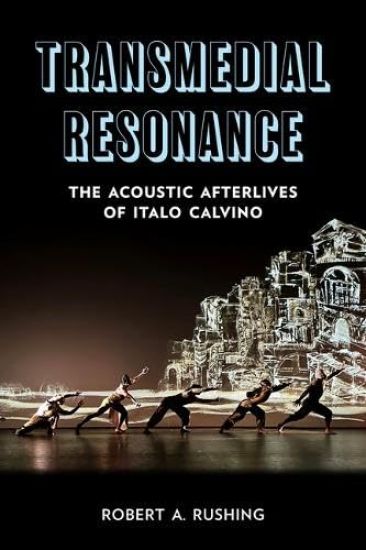
Transmedial Resonance

Transmedial Resonance

Robert A. Rushing

FORDHAM UNIVERSITY PRESS
2026
pokkari
Introduces a new way of understanding influence, reception, and adaptation via the work of Italy's most famous modern writer In Transmedial Resonance, Robert A. Rushing addresses the remarkable and ongoing responses to the imagination of Italo Calvino, Italy's most important modern writer. Since his death in 1985, Calvino's writing has served as a constant figure of inspiration for other artists, and tellingly, that inspiration has been "more outside than inside." Although Calvino's reputation as a writer is immense, his influence has in fact been vastly larger outside of literature, including in architecture, city planning, community organizing, design, visual arts, video games, the performing arts and much more. That influence is not only transmedial. It has also been "more outside than inside" across national boundaries, particularly in the English-speaking world. Rushing thinks about Calvino's influence through the metaphor of resonance. When something resonates, he argues, it may be "inspired" to do so, but it does so in its own voice, singing its own song. In fact, resonance offers an entirely different way of thinking about influence and artistic reception, stressing the energy of the inspiration rather than fidelity to the original. In keeping with that underlying sonic metaphor, Rushing looks at specifically acoustic responses to Calvino. They include Chris Cerrone's Pulitzer-nominated "opera in headphones" based on Invisible Cities, Lisa Mezzacappa's Cosmicomics jazz suite, and Ashwini Ramaswamy's multimedia dance performance of Invisible Cities, which combines traditional South Indian Bharatanatyam, urban breaking, and African American modern dance. These works, Rushing shows, tell the story of a very different Calvino, one who is (in Mezzacappa's words) "nerdy and neurotic," playfully perverse, and profoundly political. Bringing together sound studies with literary studies and cultural reception, Transmedial Resonance argues for a radical re-imagination of how we think about artistic and cultural influence, calling for a completely new understanding of this major figure of modern Italian and world literature.