
Kirjahaku
Etsi kirjoja tekijän nimen, kirjan nimen tai ISBN:n perusteella.
4 kirjaa tekijältä Robert Hay
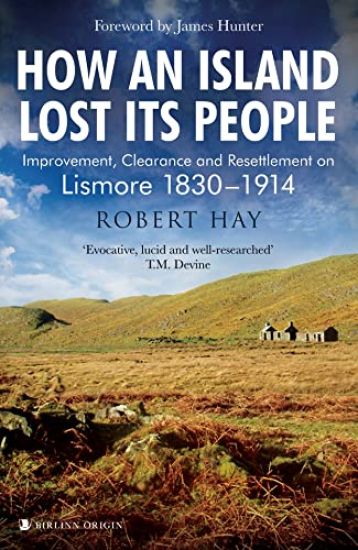
This book documents a century of emigration, migration and clearance and paints an intimate portrait of the island community of Lismore during a period of profound change. At the same time, it also celebrates the achievements of the many tenants who grasped the opportunities involved in agricultural improvement.
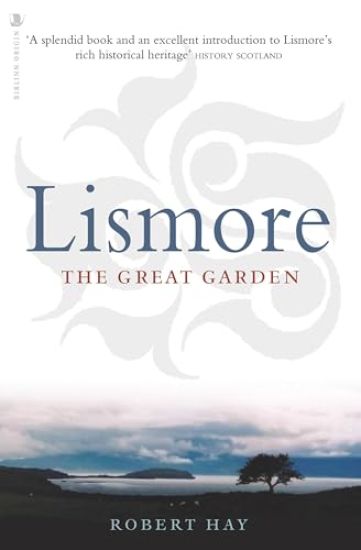
This island of Lismore boasts a remarkably rich heritage, both in terms of historic monuments and of an unbroken tradition of Gaelic culture. From their first sight of Tirefour Broch, dominating approaches from the mainland, visitors to the Isle of Lismore can explore an outstanding heritage of monuments to the past - Bronze Age cairns, medieval castles, the Cathedral of Argyll, carved graveslabs, deserted townships and watermills, not to mention a Stevenson lighthouse. Because of its strategic position at the mouth of the Great Glen and its fertility, the island played an important part in the prehistory and early history of the West Highlands and Islands. In this book, Robert Hay tells the story of Lismore from earliest times to the present day, providing fascinating insights into the island's history, as well as that of the whole area.
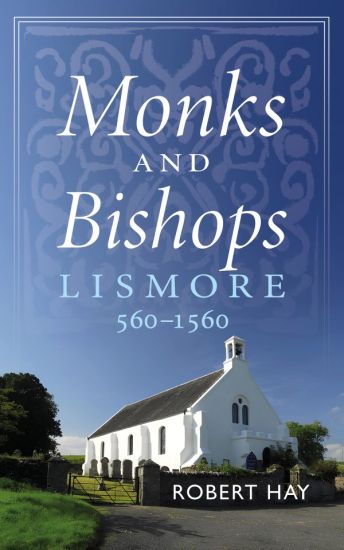
The Isle of Lismore has a long reputation as a holy island, beginning with the foundation of a monastery by St Moluag in the sixth century, when it became a major centre of Christianity. The Roman Catholic Bishopric of Argyll was founded on Lismore in 1200, and the medieval Cathedral Church of St Moluag was completed in 1400, the choir of which forms the basis of the present-day parish church. Robert Hay tells the story of Moluag’s monastery, recently rediscovered by community archaeology, before exploring the rise and fall of the Bishopric of Argyll: the roles of the bishops; the years of prestige when leading families invested in elaborately carved graveslabs; the lean years when finances were strained; the struggles through decades of war, civil unrest, despoliation, famine and plague; and the final withdrawal of the bishop from Lismore to Dunoon in the mid fifteenth century. Even at the physical fringes of Scotland and Europe, the diocese was deeply affected by events on the national and international scene, with a major impact on this site of an unbroken tradition of Christian worship.