Kirjojen hintavertailu. Mukana 12 016 292 kirjaa ja 12 kauppaa.

Kirjahaku

Etsi kirjoja tekijän nimen, kirjan nimen tai ISBN:n perusteella.

5 kirjaa tekijältä Robert Knopf

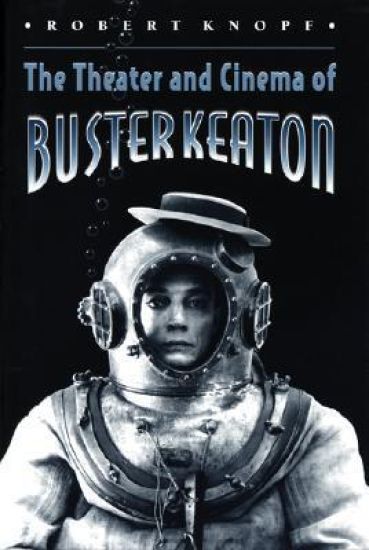
The Theater and Cinema of Buster Keaton

The Theater and Cinema of Buster Keaton

Robert Knopf

Princeton University Press
1999
pokkari
Famous for their stunts, gags, and images, Buster Keaton's silent films have enticed everyone from Hollywood movie fans to the surrealists, such as Dali and Bunuel. Here Robert Knopf offers an unprecedented look at the wide-ranging appeal of Keaton's genius, considering his vaudeville roots and his ability to integrate this aesthetic into the techniques of classical Hollywood cinema in the 1920s. When young Buster was being hurled about the stage by his comically irate father in the family's vaudeville act, The Three Keatons, he was perfecting his acrobatic skills, timing, visual humor, and trademark "stone face." As Knopf demonstrates, such theatrics would serve Keaton well as a film director and star. By isolating elements of vaudeville within works that have previously been considered "classical," Knopf reevaluates Keaton's films and how they function. The book combines vivid visual descriptions and illustrations that enable us to see Keaton at work staging his memorable images and gags, such as a three-story wall collapsing on him (Steamboat Bill, Jr., 1928) and an avalanche of boulders chasing him down a mountainside (Seven Chances, 1925). Knopf explains how Keaton's stunts and gags served as fanciful departures from his films' storylines and how they nonetheless reinforced a strange sense of reality, that of a machine-like world with a mind of its own. In comparison to Chaplin and Lloyd, Keaton made more elaborate use of natural locations. The scene in The Navigator, for example, where Buster brandishes a swordfish to fend off another swordfish derives much of its power from actually being shot under water. Such "hyper-literalism" was but one element of Keaton's films that inspired the surrealists. Exploring Keaton's influence on Salvador Dali, Luis Bunuel, Federico Garcia Lorca, and Robert Desnos, Knopf suggests that Keaton's achievement extends beyond Hollywood into the avant-garde. The book concludes with an examination of Keaton's late-career performances in Gerald Potterton's The Railrodder and Samuel Beckett's Film, and locates his legacy in the work of Jackie Chan, Blue Man Group, and Bill Irwin.
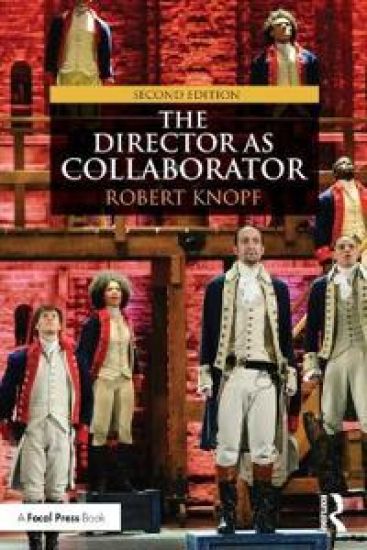
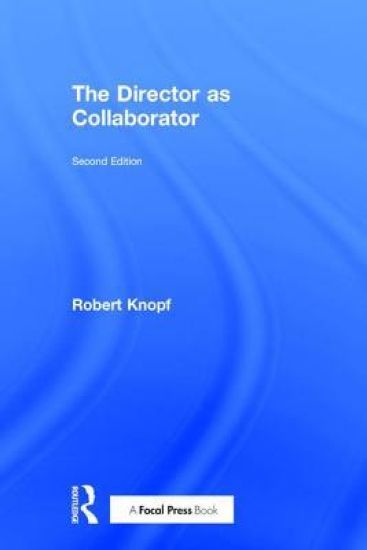
The Director as Collaborator

The Director as Collaborator

Robert Knopf

Routledge
2017
nidottu
The Director as Collaborator teaches essential directing skills while emphasizing how directors and theater productions benefit from collaboration. Good collaboration occurs when the director shares responsibility for the artistic creation with the entire production team, including actors, designers, stage managers, and technical staff. Leadership does not preclude collaboration; in theater, these concepts can and should be complementary. Students will develop their abilities by directing short scenes and plays and by participating in group exercises.New to the second edition: updated interviews, exercises, forms, and appendices new chapter on technology including digital research, previsualization and drafting programs, and web-sharing sites new chapter on devised and ensemble-based works new chapter on immersive theater, including material and exercises on environmental staging and audience–performer interaction
The Director as Collaborator

The Director as Collaborator

Robert Knopf

Routledge
2017
sidottu
The Director as Collaborator teaches essential directing skills while emphasizing how directors and theater productions benefit from collaboration. Good collaboration occurs when the director shares responsibility for the artistic creation with the entire production team, including actors, designers, stage managers, and technical staff. Leadership does not preclude collaboration; in theater, these concepts can and should be complementary. Students will develop their abilities by directing short scenes and plays and by participating in group exercises.New to the second edition: updated interviews, exercises, forms, and appendices new chapter on technology including digital research, previsualization and drafting programs, and web-sharing sites new chapter on devised and ensemble-based works new chapter on immersive theater, including material and exercises on environmental staging and audience–performer interaction
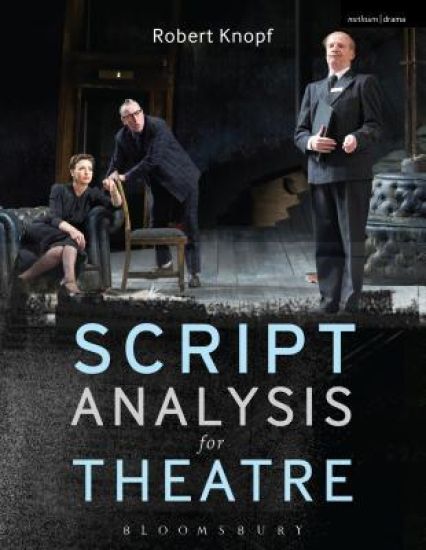
Script Analysis for Theatre

Script Analysis for Theatre

Robert Knopf

Methuen Drama
2017
sidottu
Script Analysis for Theatre: Tools for Interpretation, Collaboration and Production provides theatre students and emerging theatre artists with the tools, skills and a shared language to analyze play scripts, communicate about them, and collaborate with others on stage productions. Based largely on concepts derived from Stanislavski's system of acting and method acting, the book focuses on action - what characters do to each other in specific circumstances, times, and places - as the engine of every play. From this foundation, readers will learn to distinguish the big picture of a script, dissect and 'score' smaller units and moment-to-moment action, and create individualized blueprints from which to collaborate on shaping the action in production from their perspectives as actors, directors, and designers. Script Analysis for Theatre offers a practical approach to script analysis for theatre production and is grounded in case studies of a range of the most studied plays, including Sophocles' Oedipus the King, Shakespeare's Twelfth Night, Henrik Ibsen's Hedda Gabler, Georg Büchner's Woyzeck, Oscar Wilde's The Importance of Being Earnest, Tennessee Williams's A Streetcar Named Desire, and Paula Vogel's How I Learned to Drive, among others. Readers will develop the real-life skills professional theatre artists use to design, rehearse, and produce plays.
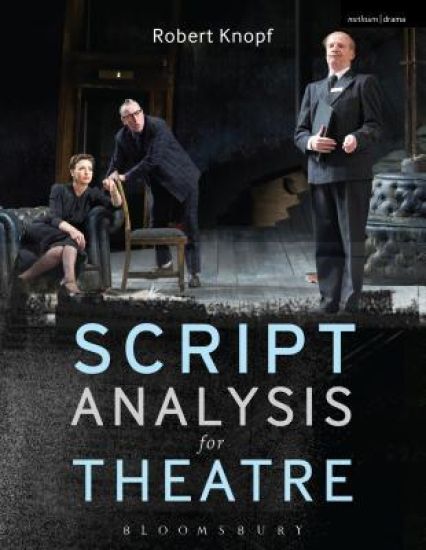
Script Analysis for Theatre

Script Analysis for Theatre

Robert Knopf

Methuen Drama
2017
nidottu
Script Analysis for Theatre: Tools for Interpretation, Collaboration and Production provides theatre students and emerging theatre artists with the tools, skills and a shared language to analyze play scripts, communicate about them, and collaborate with others on stage productions. Based largely on concepts derived from Stanislavski's system of acting and method acting, the book focuses on action - what characters do to each other in specific circumstances, times, and places - as the engine of every play. From this foundation, readers will learn to distinguish the big picture of a script, dissect and 'score' smaller units and moment-to-moment action, and create individualized blueprints from which to collaborate on shaping the action in production from their perspectives as actors, directors, and designers. Script Analysis for Theatre offers a practical approach to script analysis for theatre production and is grounded in case studies of a range of the most studied plays, including Sophocles' Oedipus the King, Shakespeare's Twelfth Night, Henrik Ibsen's Hedda Gabler, Georg Büchner's Woyzeck, Oscar Wilde's The Importance of Being Earnest, Tennessee Williams's A Streetcar Named Desire, and Paula Vogel's How I Learned to Drive, among others. Readers will develop the real-life skills professional theatre artists use to design, rehearse, and produce plays.