
Kirjahaku
Etsi kirjoja tekijän nimen, kirjan nimen tai ISBN:n perusteella.
7 kirjaa tekijältä Robert Lambert
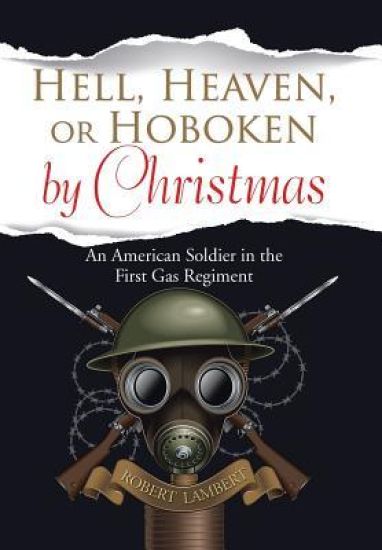
This book chronicles the experiences of a young farm boy from Schuyler County, Illinois, as he participated in the three main American campaigns of World War I, or as it was known then, the Great War. The main body of the book contains the daily entries into his diary?memoirs that he wrote later during the 1970s and my own commentaries. The diary entries are apparent because they are generally dated and presented in a distinctive typeface. Diary entries for February, March, and the first two weeks of April are written in the past tense because they were not written until the second week of April 1918. The end of the diary contains a section where amusing incidents and remarks were recorded. Most of those have been presented in the text in places that seemed to fit the situation the best (for some, it was obvious, and for some, it was just speculation). There is also a section from the diary, which is presented near the end of the book, that was undated, but it seems to have been written during December 1918.
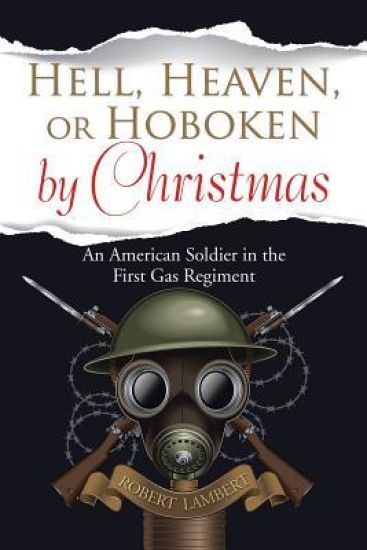
This book chronicles the experiences of a young farm boy from Schuyler County, Illinois, as he participated in the three main American campaigns of World War I, or as it was known then, the Great War. The main body of the book contains the daily entries into his diary?memoirs that he wrote later during the 1970s and my own commentaries. The diary entries are apparent because they are generally dated and presented in a distinctive typeface. Diary entries for February, March, and the first two weeks of April are written in the past tense because they were not written until the second week of April 1918. The end of the diary contains a section where amusing incidents and remarks were recorded. Most of those have been presented in the text in places that seemed to fit the situation the best (for some, it was obvious, and for some, it was just speculation). There is also a section from the diary, which is presented near the end of the book, that was undated, but it seems to have been written during December 1918.
This book presents an inside account of two pioneering projects in London where Muslim community groups worked in partnership with police to reduce the influence of al-Qaida-inspired terrorism. One project in North London empowered London Muslims to remove Abu Hamza and his violent hard-core supporters from Finsbury Park Mosque while the other project bolstered long-term efforts by London Muslims in Brixton to challenge and reduce the influence of al-Qaida inspired violent extremists including Abu Qatada and Abdullah el Faisal. Significantly, both projects pre-date government funded Prevent projects and differ from them in being based on partnership, trust and voluntary civic duty as opposed to payment and control. The two projects serve as exemplars for future community based counter-terrorism projects that recognise the hand of central government can often be counter-productive when countering al-Qaida influence: not least when the UK is waging war in Muslim countries. Flagship Prevent projects and their backers reject this analysis and argue that the work of police in these projects was itself counter-productive by empowering Muslim groups they claim are extremist or radical. The book offers a comprehensive defence to these charges and concludes that success was achieved by channelling genuine and reasonable Muslim grievances about UK foreign policy in the Muslim world in ways that are familiar and acceptable to Londoners and anathema to al-Qaeda.
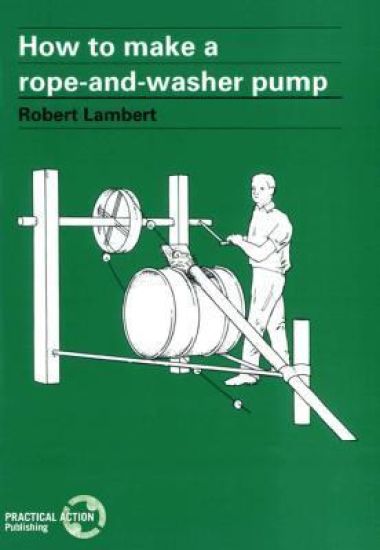
Shows how to make a simple, cheap, pump suitable for small-holding and garden use, a pump which can raise water from rivers or wells, with lifts of up to 30 metres. A simple clear text, with line drawings, showing how common materials can be used.
Contested Mountains is an historical study of the extraordinary changes in attitudes to Nature and the use of land in the Cairngorms region since 1880. The study looks at early visitor perceptions of the region and the history of rights of way disputes in the area. It also presents an environmental history of the osprey in Scotland, and the history and development of Glenmore National Forest Park, the Aviemore tourist industry, the Cairngorms National Nature Reserve and the Cairngorms National Park ideal. Contested Mountains is essential reading for anyone interested in the historical background to present-day debates about land-use and access in the Cairngorms.