Kirjojen hintavertailu. Mukana 12 016 292 kirjaa ja 12 kauppaa.

Kirjahaku

Etsi kirjoja tekijän nimen, kirjan nimen tai ISBN:n perusteella.

8 kirjaa tekijältä Roberta Gilchrist

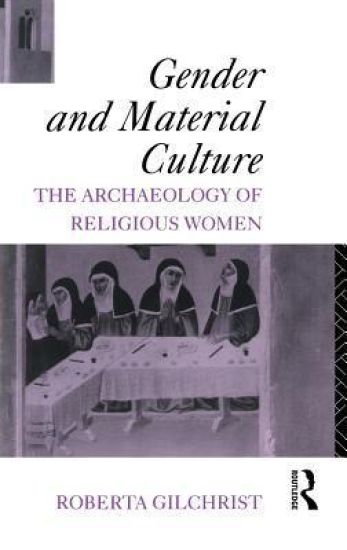
Gender and Material Culture

Gender and Material Culture

Roberta Gilchrist

Routledge
1993
sidottu
Gender and Material Culture is the first complete study in the archaeology of gender, exploring the differences between the religious life of men and women. Gender in medieval monasticism influenced landscape contexts and strategies of economic management, the form and development of buildings and their symbolic and iconographic content. Women's religious experience was often poorly documented, but their archaeology indicates a shared tradition which was closely linked with, and valued by local communities. The distinctive patterns observed suggest that gender is essential to archaeological analysis.
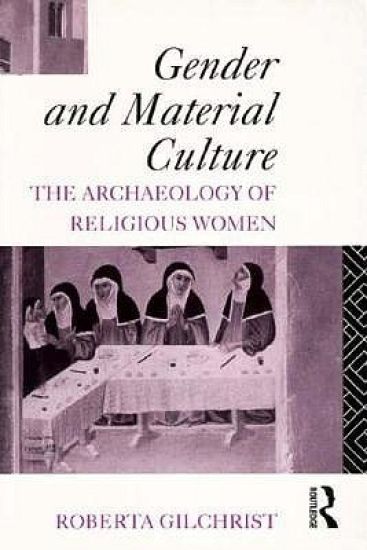
Gender and Material Culture

Gender and Material Culture

Roberta Gilchrist

Routledge
1997
nidottu
Gender and Material Culture is the first complete study in the archaeology of gender, exploring the differences between the religious life of men and women. Gender in medieval monasticism influenced landscape contexts and strategies of economic management, the form and development of buildings and their symbolic and iconographic content. Women's religious experience was often poorly documented, but their archaeology indicates a shared tradition which was closely linked with, and valued by local communities. The distinctive patterns observed suggest that gender is essential to archaeological analysis.
Gender and Archaeology

Gender and Archaeology

Roberta Gilchrist

Routledge
1999
sidottu
Gender and Archaeology is the first volume to critically review the development of this now key topic internationally, across a range of periods and material culture. ^l Roberta Gilchrist explores the significance of the feminist epistemologies. She shows the unique perspective that gender archaeology can bring to bear on issues such as division of labour and the life course. She examines issues of sexuality, and the embodiment of sexual identity. A substantial case study of gender space and metaphor in the medieval English castle is used to draw together and illustrate these issues.
Gender and Archaeology

Gender and Archaeology

Roberta Gilchrist

Routledge
1999
nidottu
Gender and Archaeology is the first volume to critically review the development of this now key topic internationally, across a range of periods and material culture. ^l Roberta Gilchrist explores the significance of the feminist epistemologies. She shows the unique perspective that gender archaeology can bring to bear on issues such as division of labour and the life course. She examines issues of sexuality, and the embodiment of sexual identity. A substantial case study of gender space and metaphor in the medieval English castle is used to draw together and illustrate these issues.
Sacred Heritage

Sacred Heritage

Roberta Gilchrist

Cambridge University Press
2020
sidottu
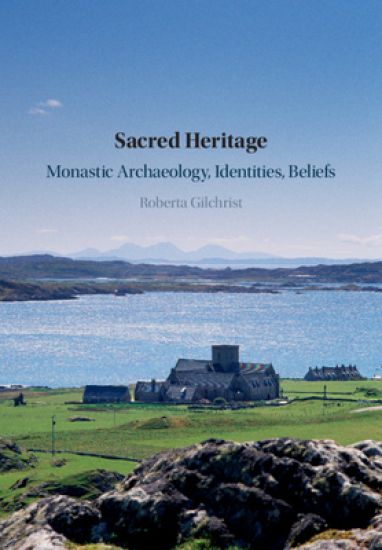
Roberta Gilchrist critically evaluates the concept of sacred heritage. Drawing on global perspectives from heritage studies, archaeology, museology, anthropology and architectural history, she examines the multiple values of medieval Christian heritage. Gilchrist investigates monastic archaeology through the lens of the material study of religion and reveals the sensory experience of religion through case studies including Glastonbury Abbey and Scottish monasticism. Her work offers new insights into medieval identity and regional distinctiveness, healing and magic, and memory practices in the sacred landscape. It also reflects on the significance of medieval sacred landscapes as contested heritage sites which hold diverse meanings to contemporary groups. This title is also available as Open Access.
Norwich Cathedral Close

Norwich Cathedral Close

Roberta Gilchrist

The Boydell Press
2016
pokkari
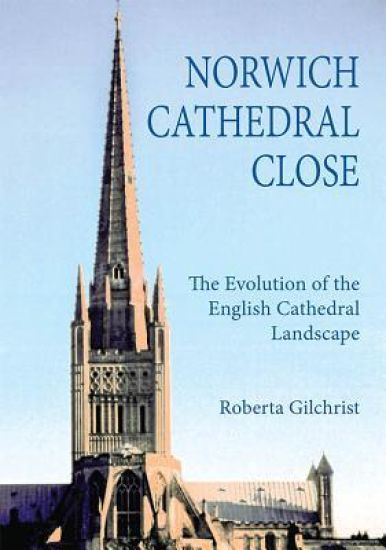
Changes in the layout of the cathedral and its close traced over 600 years, using Norwich as a case-study. Winner of a CHOICE Outstanding Academic Title Award What explains the layout of the cathedral and its close? What ideas and beliefs shaped this familiar landscape? Through this pioneering study of the development of theclose of Norwich cathedral - one of the most important buildings in medieval England - from its foundation in 1096 up to c.1700, the author looks at changes in cathedral landscape, both sacred and social. Using evidence from history, archaeology and other disciplines, Professor Gilchrist reconstructs both the landscape and buildings of the close, and the transformations in their use and meaning over time. Much emphasis is placed on the layout and the ways in which buildings and spaces were used and perceived by different groups. Patterns observed at Norwich are then placed in the context of other cathedral priories, allowing a broader picture to emerge of the development of the English cathedral landscape over six centuries. Roberta Gilchrist is Professor of Archaeology and Research Dean at the University of Reading. She is a Fellow of the British Academy and held the post of Archaeologist toNorwich Cathedral for 12 years.
Medieval Life

Medieval Life

Roberta Gilchrist

The Boydell Press
2018
pokkari
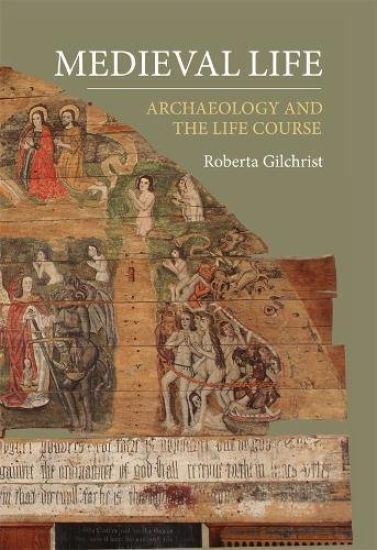
An examination of daily life in the Middle Ages which reveals the intimate relations between age groups, between the living and the dead, and between people and things. The aim of this book is to explore how medieval life was actually lived - how people were born and grew old, how they dressed, how they inhabited their homes, the rituals that gave meaning to their lives and how they prepared for death and the afterlife. Its fresh and original approach uses archaeological evidence to reconstruct the material practices of medieval life, death and the afterlife. Previous historical studies of the medieval "lifecycle" begin with birth and end with death. Here, in contrast, the concept of life course theory is developed for the first time in a detailed archaeological case study. The author argues that medieval Christian understanding of the"life course" commenced with conception and extended through the entirety of life, to include death and the afterlife. Five thematic case studies present the archaeology of medieval England (c.1050-1540 CE) in terms of the body, the household, the parish church and cemetery, and the relationship between the lives of people and objects. A wide range of sources is critically employed: osteology, costume, material culture, iconography and evidence excavated from houses, churches and cemeteries in the medieval English town and countryside. Medieval Life reveals the intimate and everyday relations between age groups, between the living and the dead, and between people and things. ROBERTA GILCHRIST is Research Dean and Professor of Archaeology at the University of Reading.
Medieval Life

Medieval Life

Roberta Gilchrist

The Boydell Press
2012
sidottu
An examination of daily life in the Middle Ages which reveals the intimate relations between age groups, between the living and the dead, and between people and things. An important and timely volume... an elegant summary of complex theory, and synthesis of an impressive body of material. It will be eagerly read by current and future generations of archaeologists, and will demonstrate the significance of historical archaeology to a much wider scholarly audience. Dr Kate Giles, University of York. The aim of this book is to explore how medieval life was actually lived - how people were born and grew old, how they dressed, how they inhabited their homes, the rituals that gave meaning to their lives and how they prepared for death and the afterlife. Its fresh and original approach uses archaeological evidence to reconstruct the material practices of medieval life, death and the afterlife. Previous historical studies of the medieval "lifecycle" begin with birth and end with death. Here, in contrast, the concept of life course theory is developed for the first time in a detailed archaeological case study. The author argues that medieval Christian understanding of the "life course" commenced with conception and extended through the entirety of life, to include death and the afterlife. Five thematic case studies present the archaeology of medieval England (c.1050-1540 CE) in terms of the body, the household, the parish church and cemetery, and the relationship between the lives of people and objects.A wide range of sources is critically employed: osteology, costume, material culture, iconography and evidence excavated from houses, churches and cemeteries in the medieval English town and countryside. Medieval Life reveals theintimate and everyday relations between age groups, between the living and the dead, and between people and things. Roberta Gilchrist is Professor of Archaeology at the University of Reading.