Kirjojen hintavertailu. Mukana 11 342 296 kirjaa ja 12 kauppaa.

Kirjahaku

Etsi kirjoja tekijän nimen, kirjan nimen tai ISBN:n perusteella.

10 kirjaa tekijältä Robin Dynes

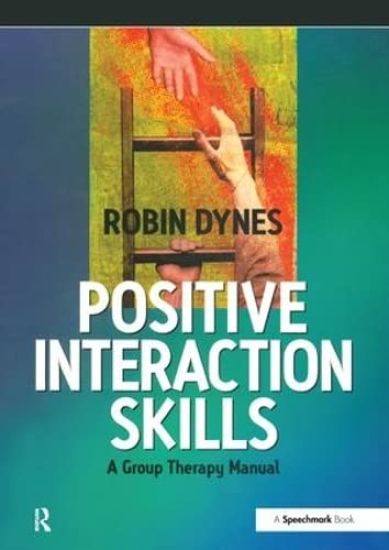
Positive Interaction Skills

Positive Interaction Skills

Robin Dynes

Speechmark Publishing Ltd
2004
nidottu
This practical, photocopiable manual provides group leaders with a flexible programme to teach interaction skills that can be adapted to a wide variety of groups, situations and needs. The programme will benefit anyone who lacks adequate skills or who has difficulty interacting with other people at home, socially or at work, for example adults with very few or no formal qualifications, people with depression or schizophrenia, young people in schools or people with learning disabilities. The book is filled with workable ideas and the sessions are designed to be used independently as required to meet identified needs. Full guidance notes for facilitators, session plans, handouts and activity guidelines are provided and this will be an invaluable resource for anyone wanting to run an interaction skills programme.
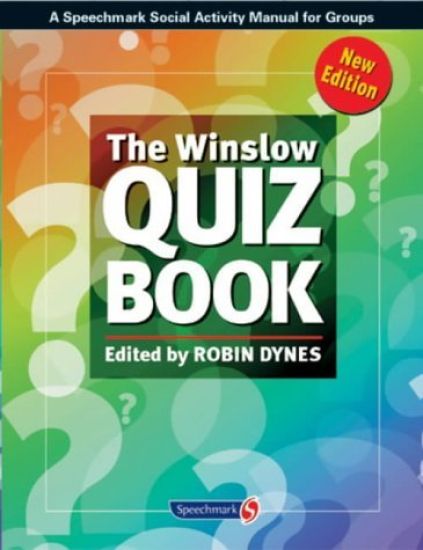
Winslow Quiz Book

Winslow Quiz Book

Robin Dynes

Speechmark Publishing Ltd
1999
nidottu
This completely revised edition of Winslow's bestselling Quiz Book contains more than 2,000 questions categorised into 40 stimulating subjects. It is aimed at adolescents and adults alike and features questions that are all realistically within the scope of the average person. Designed for those who use quizzes as a group activity, the questions are grouped into three ability levels with a layout that enables the organiser to rapidly locate the required topic. Its topics cover areas such as cookery, animals, sport, home, spellings, history and general knowledge.
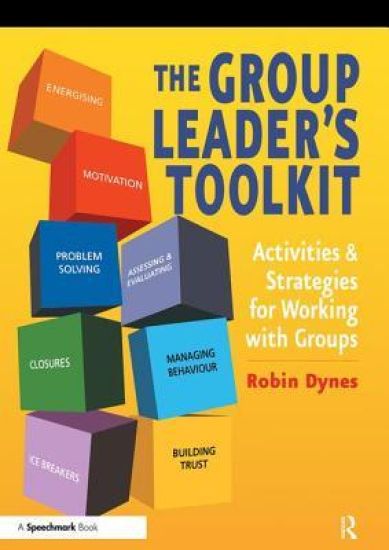
The Group Leader's Toolkit

The Group Leader's Toolkit

Robin Dynes

Speechmark Publishing Ltd
2006
nidottu
An essential resource for all kinds of groups, these tried and tested strategies will stimulate and encourage full participation from all group members. Provides ideas for introducing group members to each other, breaking down barriers, energising people, helping people learn, moving the group on, building trust between group members, motivating people, assessing and evaluating the group, managing behaviour and personal responsibility, and ending sessions. The activities are set out in a clear, easy to follow format, with variations and guidance for adapting the activities. Will enable group leaders to promote group members' self development, meet the needs of their different learning styles, stimulate their creativity and develop their thinking skills. This toolkit is an invaluable resource for tutors, occupational therapists, nurses, care staff, probation staff, youth leaders or anyone - new or experienced - who works with groups.
Writing Life Histories

Writing Life Histories

Robin Dynes

Speechmark Publishing Ltd
2011
nidottu
Writing Life Histories is a practical handbook which gives clear guidance on how to put together life histories in supportive or residential settings.It provides:step-by-step guidanceideas for different types of life historiesactivities, strategies and material for prompting memorieshelpful tools and writing tipssuggestions for support and forming partnerships with other local servicesideas for involving the person's family and friendsdiscussion on ethical issues to be considered.The benefits of engaging a group or an individual in life history activities include:an aid to memorycreative stimulationa personalised identity when in a residential homepromotion of interaction and co-operation with otherscontinuity with previous life experience thus combating loss of identity as well as an excellent opportunity to pass on knowledge and experience to others.For staff knowing about past experiences will promote an understanding of behaviour, needs and outlook on life resulting in more personalised care. Staff have references for conversation with cognitive impaired individuals and knowledge about life accomplishments which promotes respect for individuals. This is an indispensible resource for anyone interested in compiling life histories including nurses, residential home staff, carers, tutors and occupational therapists, group facilitators in day centres, clubs for the elderly or learning disabilities.
Hopes & Dreams - Developing Potential

Hopes & Dreams - Developing Potential

Robin Dynes

Speechmark Publishing Ltd
2012
nidottu
This practical resource provides the tools to help individuals explore their ambitions, set goals and plan to achieve them, manage their lives and gain the skills to make their hopes and dreams a reality. The programme is ideal for use with people who are making major changes in their lives and are ready to explore their options for the future. They may wish to return to education, go back to work, change jobs, start voluntary work, take up new interests or are considering other changes in their lives. The book is divided into two parts: six core sessions covering: Making a start, Deciding what you want, Setting goals, Making it happen, Learning to learn and What next? and Eight optional sessions. These can be used individually or added to the core sessions in any order, depending on identified need. The sessions cover: Dealing with stress, Coping with change, Being assertive, Overcoming relationship conflict, Organising your time, Dealing with disappointment, Keeping records and Creating an impression. It is an ideal resource for youth leaders, teachers, support workers, occupational therapists, social workers and probation staff. It has been developed through the experience of working with groups and individuals in adult education, youth services, day centres and rehabilitation centres.
Life History Game

Life History Game

Robin Dynes

Speechmark Publishing Ltd
2012
peli
This multi-purpose board game has been designed to aid reminiscing, individuals getting to know each, facilitating the sharing of experiences and for people writing their life histories. It can be played by 2-8 people, independently or supported by staff.The cards can also be used on their own or as an additional tool to the book Writing Life Histories to inspire people writing their life stories. Benefits from using it include:helping to preserve memorymaintaining a sense of identityintegrating the past and presentassisting with reminiscing and the life review processpromoting a sense of pride that people have done their best in lifeproviding opportunities for socialising and making friendspromoting understanding of behaviour and outlook on lifesharing life accomplishments that promote respectproviding references for conversations with cognitively impaired individuals.This non-competitive, fun activity will become a well used tool to benefit both residents and staff in day centres, residential homes, hospitals, activity clubs, or people being card for at home and their carers.
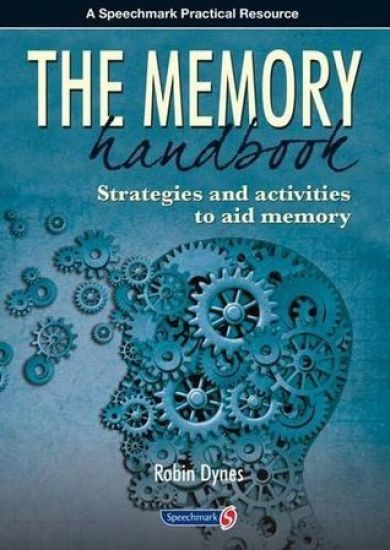
The Memory Handbook

The Memory Handbook

Robin Dynes

Speechmark Publishing Ltd
2013
nidottu
This is a handbook full of practical ideas to use with anyone who is experiencing mild to severe memory difficulties. The suggestions and activities can be used when working with individuals or groups. The strategies can, in fact, be used by anyone young or old, who has become worried about loss of memory. The handbook provides: information about how memory works and different types of memory; an outline of what can affect memory; strategies to aid memory; activities to practice using the strategies; and activities to keep the brain active and maintain memory. The resource is aimed at staff in care environments such as residential homes, day centres, social clubs, support groups, carers or anyone who might be concerned about loss of memory. It promotes understanding about memory difficulties and provides a wide range of strategies and activities to aid response to individual need. Approximately 200pp; A4 wire-o-bound.
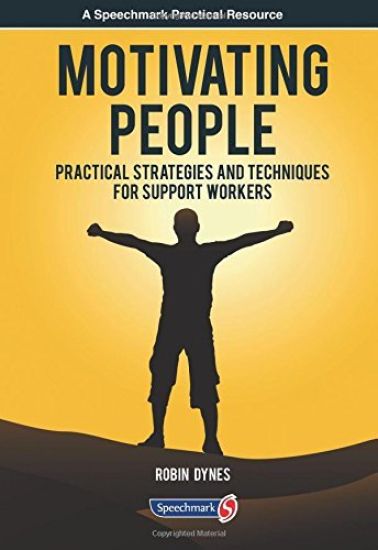
Motivating People

Motivating People

Robin Dynes

Speechmark Publishing Ltd
2014
nidottu
In all types of support services and care situations one of the biggest challenges is motivating people to change their behaviour. It particularly applies to individuals who are difficult to motivate because they might lack insight, wilfully ignore or refuse to face their situation, are affected by depression or health problems or are victims of unfortunate circumstances or fear of failure. The task may be to motivate someone to improve their quality of life by participating in a group in a residential home, change a lifestyle because of health reasons, address offending behaviour, learn a new skill to obtain a job or complete an anxiety management programme. The strategies and techniques will help: arouse their interest in making changes; encourage the consideration of change; support their planning for change; mentor the person through planned actions; ensure momentum is maintained; guide the person in making positive use of any relapses; and make sure the change is successfully achieved. This is an invaluable resource for support workers, social workers, health workers, youth workers, probation officers, employment services, tutors and carers. The techniques can be applied when working with individuals or groups in all types of settings including residential homes, day centres, probation, education or youth work.
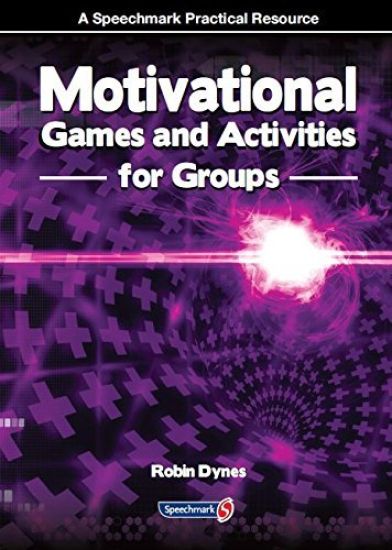
Motivational Games and Activities for Groups

Motivational Games and Activities for Groups

Robin Dynes

Speechmark Publishing Ltd
2015
nidottu
How can you encourage people to be motivated? How can you create that sense of yearning to achieve or reach a goal? How can you energise and inspire group members? The exercises and activities in this resource will help you to motivate your team or the group with which you are working. The activities are organised in sections from which you can choose to meet particular group needs. These include: Ice breakers and warm ups; Trust building; Building self-esteem; Inspiring creativity; Aligning values; Creating an inspiring environment; Becoming solution focused; Perception; Resilience; Team building; Visualising and setting goals; Energy boosters; Overcoming anxiety and fear; Managing stress; Stopping procrastination; and; Using competition. Whether your group is small or large you will find something for any setting. Many of the activities can also be used on a one-to-one basis in supervision, with clients or students. The activities are interactive and fun. Trainers, youth leaders, counsellors, group leaders, team managers, teachers, care workers and probation officers will find the resource one in which they constantly dip for inspiration. Robin Dynes is the Social Inclusion Officer for Skills & Learning in his local authority. His main role has been to develop an innovative outreach curriculum that is accessible and meets the needs of people with disabilities, older people and others who are vulnerable. The aim is to ensure that people with disabilities have equal opportunity and an active and fulfilling role within the community.
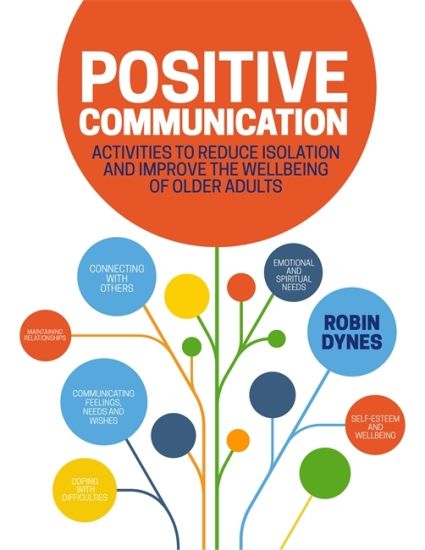
Positive Communication

Positive Communication

Robin Dynes

Jessica Kingsley Publishers
2017
pokkari
The effects of social interaction and engagement with older people have been proven to considerably improve quality of life and emotional wellbeing. This book comes packed with ready-to-use activities for groups of older people, aimed at connecting individuals, developing their self-esteem, and encouraging personal expression and independence.The activities are intended to be led by facilitators working with groups of older people in residential homes, drop-in or day centres, hospices, clubs for older people, hospitals, or support groups. The activities range from creative arts to storytelling to sports, and are all designed to keep both bodies and minds sharp, while encouraging positive relationships with others.