

Kirjahaku
Etsi kirjoja tekijän nimen, kirjan nimen tai ISBN:n perusteella.
22 kirjaa tekijältä Robin Wall Kimmerer

Gathering Moss / Reserva de Musgo (Spanish Edition): Una Historia Natural Y Cultural de Los Musgos
Robin Wall Kimmerer
HarperCollins Espanol
2025
nidottu
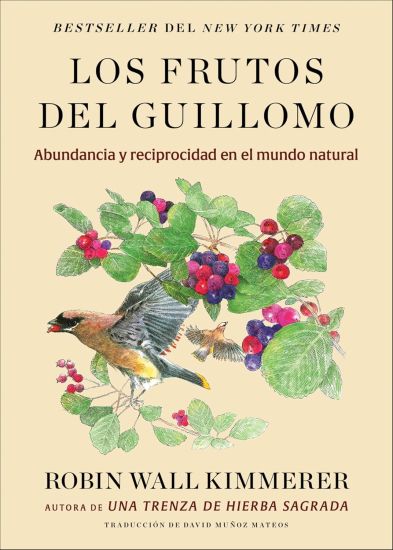
Los Frutos del Guillomo: Abundancia Y Reciprocidad En El Mundo Natural the Serviceberry: Abundance and Reciprocity in the Natural World (Spanish Editi
Robin Wall Kimmerer
HarperCollins Espanol
2026
nidottu
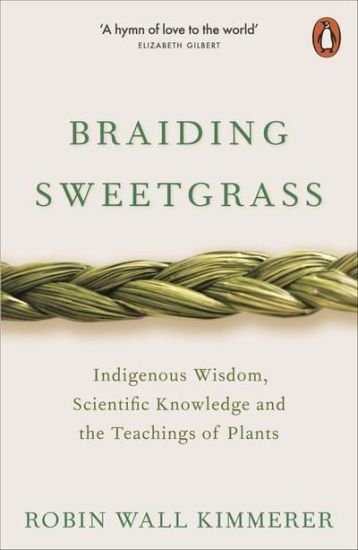
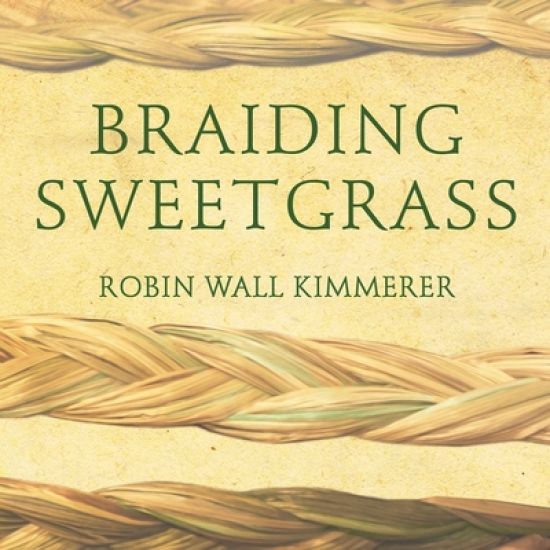
'A hymn of love to the world ... A journey that is every bit as mythic as it is scientific, as sacred as it is historical, as clever as it is wise' Elizabeth Gilbert, author of Eat, Pray, LoveAs a botanist, Robin Wall Kimmerer has been trained to ask questions of nature with the tools of science. As a member of the Citizen Potawatomi Nation, she embraces the notion that plants and animals are our oldest teachers. In Braiding Sweetgrass, Kimmerer brings these two ways of knowledge together. Drawing on her life as an indigenous scientist, a mother, and a woman, Kimmerer shows how other living beings - asters and goldenrod, strawberries and squash, salamanders, algae, and sweetgrass - offer us gifts and lessons, even if we've forgotten how to hear their voices. In a rich braid of reflections that range from the creation of Turtle Island to the forces that threaten its flourishing today, she circles toward a central argument: that the awakening of a wider ecological consciousness requires the acknowledgment and celebration of our reciprocal relationship with the rest of the living world. For only when we can hear the languages of other beings will we be capable of understanding the generosity of the earth, and learn to give our own gifts in return.

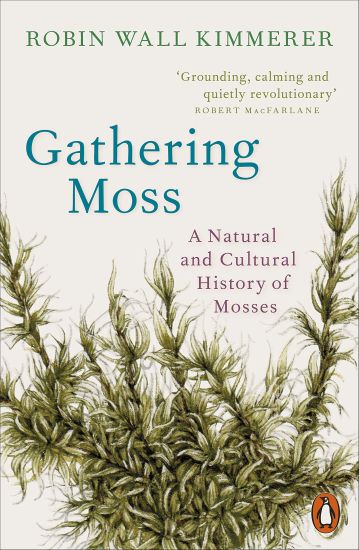
'Kimmerer blends, with deep attentiveness and musicality, science and personal insights to tell the overlooked story of the planet's oldest plants' Guardian'Bewitching ... a masterwork ... a glittering read in its entirety' Maria Popova, BrainpickingsLiving at the limits of our ordinary perception, mosses are a common but largely unnoticed element of the natural world. Gathering Moss is a beautifully written mix of science and personal reflection that invites readers to explore and learn from the elegantly simple lives of mosses. In these interwoven essays, Robin Wall Kimmerer leads general readers and scientists alike to an understanding of how mosses live and how their lives are intertwined with the lives of countless other beings. Kimmerer explains the biology of mosses clearly and artfully, while at the same time reflecting on what these fascinating organisms have to teach us. Drawing on her experiences as a scientist, a mother, and a Native American, Kimmerer explains the stories of mosses in scientific terms as well as within the framework of indigenous ways of knowing. In her book, the natural history and cultural relationships of mosses become a powerful metaphor for ways of living in the world.
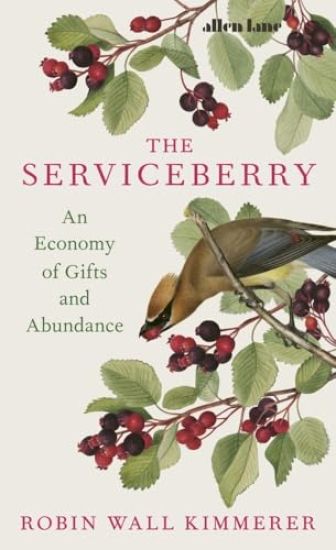
From the #1 New York Times bestselling author of Braiding Sweetgrass, an inspiring vision of how to reorient our lives around gratitude, reciprocity and communityAs indigenous scientist and author of Braiding Sweetgrass Robin Wall Kimmerer harvests serviceberries alongside the birds, she considers the ethic of reciprocity that lies at the heart of the gift economy. How, she asks, can we learn from indigenous wisdom and the plant world to reimagine what we value most?Our economy is rooted in scarcity, competition, and the hoarding of resources, and we have surrendered our values to a system that actively harms what we love. Meanwhile, the serviceberry’s relationship with the natural world is an embodiment of reciprocity, interconnectedness, and gratitude. The tree distributes its wealth—its abundance of sweet, juicy berries—to meet the needs of its natural community. And this distribution ensures its own survival.The Serviceberry is an antidote to the broken relationships and misguided goals of our times, and a reminder that “hoarding won’t save us, all flourishing is mutual.”
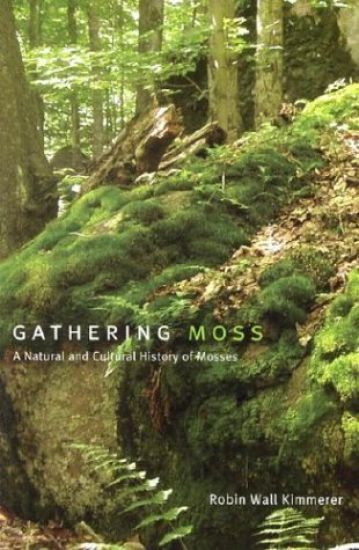
Living at the limits of our ordinary perception, mosses are a common but largely unnoticed element of the natural world. Gathering Moss is a beautifully written mix of science and personal reflection that invites readers to explore and learn from the elegantly simple lives of mosses.In this series of linked personal essays, Robin Kimmerer leads general readers and scientists alike to an understanding of how mosses live and how their lives are intertwined with the lives of countless other beings. Kimmerer explains the biology of mosses clearly and artfully, while at the same time reflecting on what these fascinating organisms have to teach us. Drawing on her experiences as a scientist, a mother, and a Native American, Kimmerer explains the stories of mosses in scientific terms as well as in the framework of indigenous ways of knowing. In her book, the natural history and cultural relationships of mosses become a powerful metaphor for ways of living in the world.
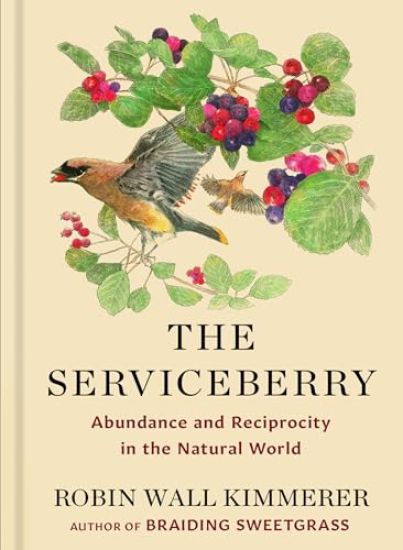
The Serviceberry: Abundance and Reciprocity in the Natural World
Robin Wall Kimmerer
Thorndike Press Large Print
2025
sidottu
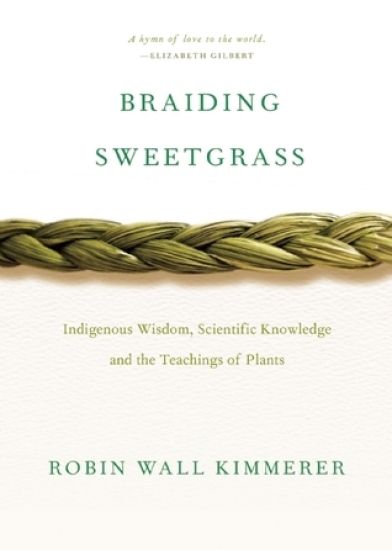
Called the work of "a mesmerizing storyteller with deep compassion and memorable prose" (Publishers Weekly) and the book that, "anyone interested in natural history, botany, protecting nature, or Native American culture will love," by Library Journal, Braiding Sweetgrass is poised to be a classic of nature writing. As a botanist, Robin Wall Kimmerer asks questions of nature with the tools of science. As a member of the Citizen Potawatomi Nation, she embraces indigenous teachings that consider plants and animals to be our oldest teachers. Kimmerer brings these two lenses of knowledge together to take "us on a journey that is every bit as mythic as it is scientific, as sacred as it is historical, as clever as it is wise" (Elizabeth Gilbert). Drawing on her life as an indigenous scientist, a mother, and a woman, Kimmerer shows how other living beings offer us gifts and lessons, even if we've forgotten how to hear their voices.
The Serviceberry: Abundance and Reciprocity in the Natural World
Robin Wall Kimmerer
Simon Schuster Audio
2024
cd
Braiding Sweetgrass: Indigenous Wisdom, Scientific Knowledge and the Teachings of Plants
Robin Wall Kimmerer
Tantor Audio
2016
cd
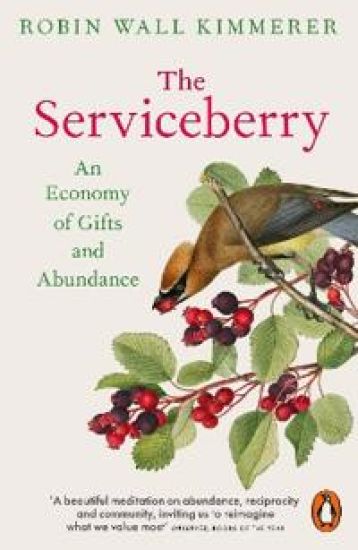
'This book will nourish your soul, heart, and mind' Anthony DoerrAs Indigenous scientist and author of Braiding Sweetgrass Robin Wall Kimmerer harvests serviceberries alongside the birds, she considers the ethic of reciprocity that lies at the heart of the gift economy. How, she asks, can we learn from Indigenous wisdom and the plant world to reimagine what we value most?Our economy is rooted in scarcity, competition, and the hoarding of resources, and we have surrendered our values to a system that actively harms what we love. Meanwhile, the serviceberry’s relationship with the natural world is an embodiment of reciprocity, interconnectedness, and gratitude. The tree distributes its wealth—its abundance of sweet, juicy berries—to meet the needs of its natural community. And this distribution insures its own survival. As Kimmerer explains, “Serviceberries show us another model, one based upon reciprocity, where wealth comes from the quality of your relationships, not from the illusion of self-sufficiency.”NAMED A BEST BOOK OF THE AUTUMN BY THE NEW YORK TIMES, GUARDIAN, TIME, OPRAH DAILY, LIT HUB, PUBLISHERS WEEKLY, BOOKPAGE




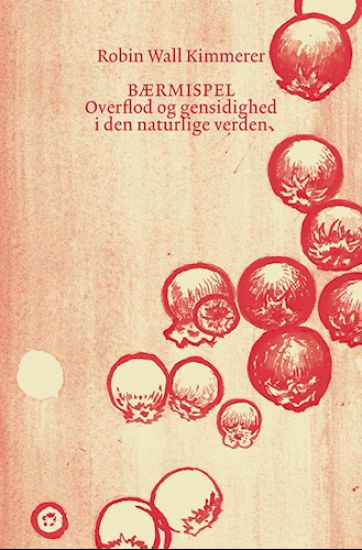
Mens Robin Wall Kimmerer side om side med fuglene høster bær fra bærmispelplanten, reflekterer hun over det gensidighedsprincip, der ligger i hjertet af gaveøkonomien. Og hvad kan vi lære af oprindelige folks visdom og af planteverdenen? Vores økonomi er baseret på knaphed, konkurrence og ophobning af ressourcer, og vi har overgivet vores værdier til et system, der skader det, vi elsker. Samtidig er bærmisplens forhold til den naturlige verden et udtryk for gensidighed, sammenhæng og taknemmelighed. Planten deler sin rigdom – sin overflod af søde, saftige bær – for at imødekomme behovene i sit naturlige fællesskab. Sådan sikrer den sin egen overlevelse. Som Kimmerer skriver: “Bærmispelbærrene viser os en anden model, én der baserer sig på gensidighed snarere end akkumulation, hvor rigdom og sikkerhed stammer fra kvaliteten af ens relationer, ikke fra illusionen om selvtilstrækkelighed.”
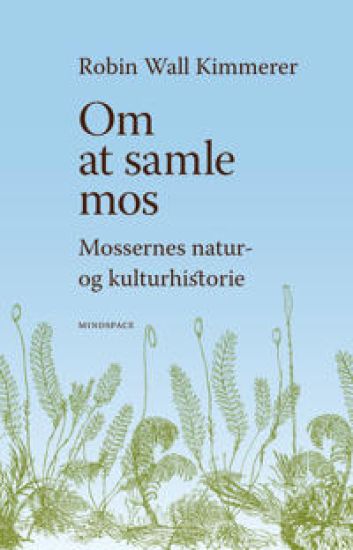
Mosser lever på grænsen af det, vi almindeligvis kan opfatte, og er et udbredt, men stort set ubemærket element i den naturlige verden. Om at samle mos er en smukt skrevet videnskabelig og personlig refleksion, som inviterer os til at lære af mossernes elegante og enkle liv. I sammenvævede essays får vi en forståelse for, hvordan mosser lever, og hvordan deres liv er flettet sammen med utallige andre væseners. Robin Wall Kimmerer er planteøkolog og del af potawatomi-folket og når hun skriver om mossernes lange historie, er det både i videnskabelige termer og igennem det oprindelige folks indsigt. Planetens ældste planter, mosserne, bliver i denne bog til en stærk metafor for måder at eksistere i verden. Vi ser mosserne som for første gang. “Jordforbundet, beroligende og stille revolutionerende.” – Robert Macfarlane ”Kimmerer kombinerer med dyb opmærksomhed og musikalitet videnskab og personlig indsigt for at fortælle den oversete historie om planetens ældste planter.” – The Guardian @font-face {font-family:"Cambria Math"; panose-1:2 4 5 3 5 4 6 3 2 4; mso-font-charset:0; mso-generic-font-family:roman; mso-font-pitch:variable; mso-font-signature:-536870145 1107305727 0 0 415 0;}@font-face {font-family:Aptos; panose-1:2 11 0 4 2 2 2 2 2 4; mso-font-charset:0; mso-generic-font-family:swiss; mso-font-pitch:variable; mso-font-signature:536871559 3 0 0 415 0;}@font-face {font-family:Garamond; panose-1:2 2 4 4 3 3 1 1 8 3; mso-font-charset:0; mso-generic-font-family:roman; mso-font-pitch:variable; mso-font-signature:647 2 0 0 159 0;}p.MsoNormal, li.MsoNormal, div.MsoNormal {mso-style-unhide:no; mso-style-qformat:yes; mso-style-parent:""; margin:0cm; text-indent:1.0cm; line-height:107%; mso-pagination:widow-orphan; font-size:11.0pt; font-family:"Aptos",sans-serif; mso-ascii-font-family:Aptos; mso-ascii-theme-font:minor-latin; mso-fareast-font-family:Aptos; mso-fareast-theme-font:minor-latin; mso-hansi-font-family:Aptos; mso-hansi-theme-font:minor-latin; mso-bidi-font-family:"Times New Roman"; mso-bidi-theme-font:minor-bidi; mso-font-kerning:1.0pt; mso-ligatures:standardcontextual; mso-fareast-language:EN-US;}.MsoChpDefault {mso-style-type:export-only; mso-default-props:yes; font-size:11.0pt; mso-ansi-font-size:11.0pt; mso-bidi-font-size:11.0pt; font-family:"Aptos",sans-serif; mso-ascii-font-family:Aptos; mso-ascii-theme-font:minor-latin; mso-fareast-font-family:Aptos; mso-fareast-theme-font:minor-latin; mso-hansi-font-family:Aptos; mso-hansi-theme-font:minor-latin; mso-bidi-font-family:"Times New Roman"; mso-bidi-theme-font:minor-bidi; mso-fareast-language:EN-US;}.MsoPapDefault {mso-style-type:export-only; margin-bottom:8.0pt; line-height:107%;}div.WordSection1 {page:WordSection1;}