Kirjojen hintavertailu. Mukana 11 699 587 kirjaa ja 12 kauppaa.

Kirjahaku

Etsi kirjoja tekijän nimen, kirjan nimen tai ISBN:n perusteella.

6 kirjaa tekijältä Robyn M. Gillies

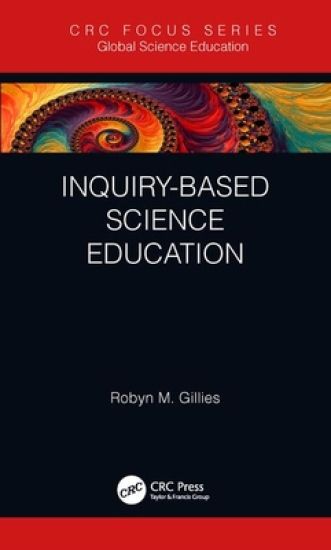
Inquiry-based Science Education

Inquiry-based Science Education

Robyn M. Gillies

CRC Press
2020
sidottu
Students often think of science as disconnected pieces of information rather than a narrative that challenges their thinking, requires them to develop evidence-based explanations for the phenomena under investigation, and communicate their ideas in discipline-specific language as to why certain solutions to a problem work. The author provides teachers in primary and junior secondary school with different evidence-based strategies they can use to teach inquiry science in their classrooms. The research and theoretical perspectives that underpin the strategies are discussed as are examples of how different ones areimplemented in science classrooms to affect student engagement and learning. Key Features: Presents processes involved in teaching inquiry-based science Discusses importance of multi-modal representations in teaching inquiry based-science Covers ways to develop scientifically literacy Uses the Structure of Observed learning Outcomes (SOLO) Taxonomy to assess student reasoning, problem-solving and learning Presents ways to promote scientific discourse, including teacher-student interactions, student-student interactions, and meta-cognitive thinking
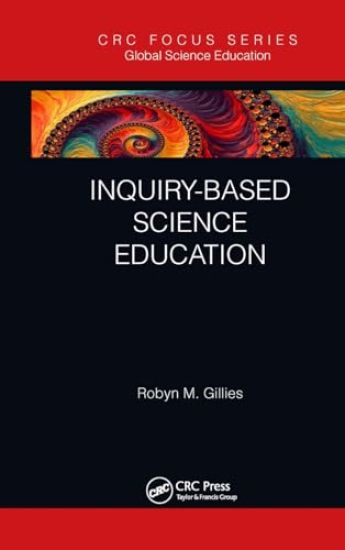
Inquiry-based Science Education

Inquiry-based Science Education

Robyn M. Gillies

TAYLOR FRANCIS LTD
2024
nidottu
Students often think of science as disconnected pieces of information rather than a narrative that challenges their thinking, requires them to develop evidence-based explanations for the phenomena under investigation, and communicate their ideas in discipline-specific language as to why certain solutions to a problem work. The author provides teachers in primary and junior secondary school with different evidence-based strategies they can use to teach inquiry science in their classrooms. The research and theoretical perspectives that underpin the strategies are discussed as are examples of how different ones areimplemented in science classrooms to affect student engagement and learning. Key Features:Presents processes involved in teaching inquiry-based science Discusses importance of multi-modal representations in teaching inquiry based-scienceCovers ways to develop scientifically literacyUses the Structure of Observed learning Outcomes (SOLO) Taxonomy to assess student reasoning, problem-solving and learningPresents ways to promote scientific discourse, including teacher-student interactions, student-student interactions, and meta-cognitive thinking
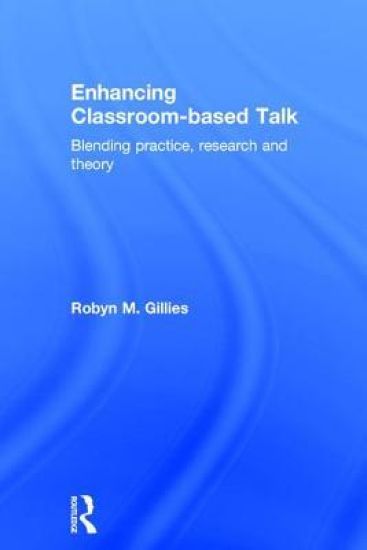
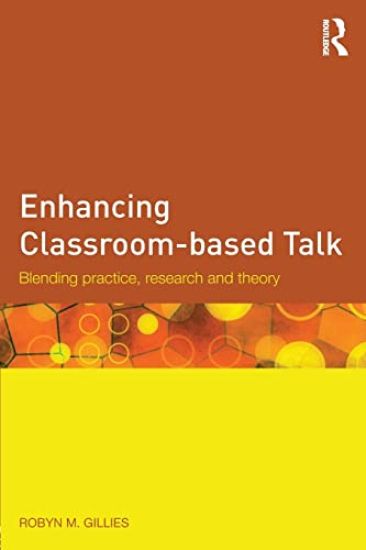
Enhancing Classroom-based Talk

Enhancing Classroom-based Talk

Robyn M. Gillies

Routledge
2015
sidottu
Enhancing Classroom-based Talk provides an overview of the major research and theoretical perspectives that underpin the development of classroom-based talk. It outlines specific dialogic strategies and elaborates on the key role that teachers play in promoting interactions, challenging thinking and scaffolding the learning of students.While it is important to know how different dialogic approaches can enhance students’ interactions and learning and the effects they have on students’ social, emotional and cognitive development, it is also important to understand how students’ interactions promote understanding and learning during small group discussions. Throughout the book, teachers will be shown how to embed different dialogic approaches in their classrooms to promote discourse, with chapters covering: Interest in classroom-based talk The teacher’s role in promoting dialogue in the classroom Dialogic approaches to teaching Strategies to promote students’ interactions, thinking and learning Help seeking and help giving behaviours Creating environments that promote classroom-based talkEnhancing Classroom-based Talk will be a valuable asset to all those concerned with promoting classroom-based talk, as well as postgraduate students, teachers and academics who are regularly called upon to assist in developing classroom interventions that provide for the academic and social needs of students.
Enhancing Classroom-based Talk

Enhancing Classroom-based Talk

Robyn M. Gillies

Routledge
2015
nidottu
Enhancing Classroom-based Talk provides an overview of the major research and theoretical perspectives that underpin the development of classroom-based talk. It outlines specific dialogic strategies and elaborates on the key role that teachers play in promoting interactions, challenging thinking and scaffolding the learning of students.While it is important to know how different dialogic approaches can enhance students’ interactions and learning and the effects they have on students’ social, emotional and cognitive development, it is also important to understand how students’ interactions promote understanding and learning during small group discussions. Throughout the book, teachers will be shown how to embed different dialogic approaches in their classrooms to promote discourse, with chapters covering: Interest in classroom-based talk The teacher’s role in promoting dialogue in the classroom Dialogic approaches to teaching Strategies to promote students’ interactions, thinking and learning Help seeking and help giving behaviours Creating environments that promote classroom-based talkEnhancing Classroom-based Talk will be a valuable asset to all those concerned with promoting classroom-based talk, as well as postgraduate students, teachers and academics who are regularly called upon to assist in developing classroom interventions that provide for the academic and social needs of students.
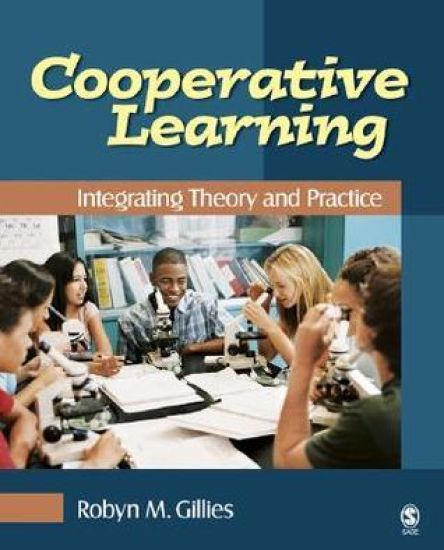
Cooperative Learning

Cooperative Learning

Robyn M. Gillies

SAGE Publications Inc
2007
sidottu
"Gilles focuses the majority of the book on the relationship in the classroom between the individual teacher and the students. She gives teachers ammunition to overcome resistance to cooperative learning by presenting well-substantiated research on virtually every page of her book showing the benefits of having students study together." —Ted Wohlfarth, PSYCCRITIQUES"This text's greatest strengths are bringing together a range of powerful teaching strategies connected to students taking responsibility for their own learning and the learning of others. The focus on both teacher strategies to encourage effective group talk and student strategies to encourage effective discourse is helpful."—Nancy L. Markowitz, San Jose State University Although cooperative learning is widely endorsed as a pedagogical practice that promotes learning and socialization among students, teachers still struggle with how to introduce it into their classrooms. This text highlights the strategies teachers can use to challenge student thinking and scaffold their learning as well as the strategies students can be taught to promote discourse, problem—solving, and learning during cooperative learning.Key FeaturesPresents cooperative learning in conjunction with national standards: The book situates cooperative learning within the context of No Child Left Behind and a climate of high stakes testing.Links theory with practice: Numerous case studies and small group exercises highlight how teachers can assess both the process and outcomes of cooperative learning.Emphasizes the key role teachers play in establishing cooperative learning: Guidelines are given on how teachers can establish cooperative learning in their classrooms to promote student engagement and learning across various levels and for students of diverse abilities.Incorporates the latest research on cooperative learning: An overview is provided of the major research and theoretical perspectives that underpin the development of cooperative learning pedagogy.Intended AudienceThis is an excellent supplementary text for several undergraduate and graduate level K—12 teacher preparation and certification courses regularly offered in schools of education. It can also be used as one of several texts in courses on cooperative learning and as a supplement in K—12 teaching methods courses.
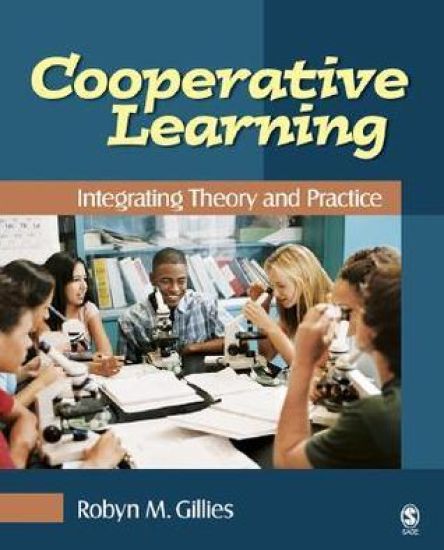
Cooperative Learning

Cooperative Learning

Robyn M. Gillies

SAGE Publications Inc
2007
nidottu
"Gilles focuses the majority of the book on the relationship in the classroom between the individual teacher and the students. She gives teachers ammunition to overcome resistance to cooperative learning by presenting well-substantiated research on virtually every page of her book showing the benefits of having students study together." —Ted Wohlfarth, PSYCCRITIQUES"This text's greatest strengths are bringing together a range of powerful teaching strategies connected to students taking responsibility for their own learning and the learning of others. The focus on both teacher strategies to encourage effective group talk and student strategies to encourage effective discourse is helpful."—Nancy L. Markowitz, San Jose State University Although cooperative learning is widely endorsed as a pedagogical practice that promotes learning and socialization among students, teachers still struggle with how to introduce it into their classrooms. This text highlights the strategies teachers can use to challenge student thinking and scaffold their learning as well as the strategies students can be taught to promote discourse, problem—solving, and learning during cooperative learning.Key FeaturesPresents cooperative learning in conjunction with national standards: The book situates cooperative learning within the context of No Child Left Behind and a climate of high stakes testing.Links theory with practice: Numerous case studies and small group exercises highlight how teachers can assess both the process and outcomes of cooperative learning.Emphasizes the key role teachers play in establishing cooperative learning: Guidelines are given on how teachers can establish cooperative learning in their classrooms to promote student engagement and learning across various levels and for students of diverse abilities.Incorporates the latest research on cooperative learning: An overview is provided of the major research and theoretical perspectives that underpin the development of cooperative learning pedagogy.Intended AudienceThis is an excellent supplementary text for several undergraduate and graduate level K—12 teacher preparation and certification courses regularly offered in schools of education. It can also be used as one of several texts in courses on cooperative learning and as a supplement in K—12 teaching methods courses.