Kirjojen hintavertailu. Mukana 11 678 731 kirjaa ja 12 kauppaa.

Kirjahaku

Etsi kirjoja tekijän nimen, kirjan nimen tai ISBN:n perusteella.

3 kirjaa tekijältä Robyn Magalit Rodriguez

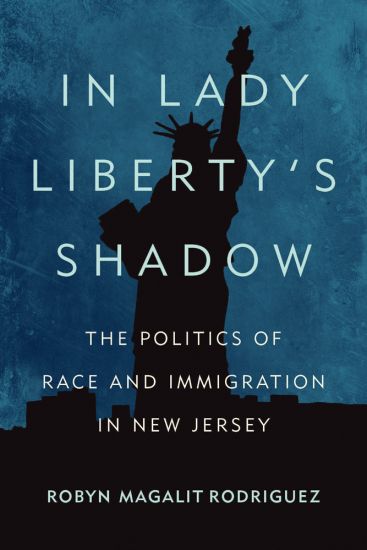
In Lady Liberty's Shadow

In Lady Liberty's Shadow

Robyn Magalit Rodriguez

Rutgers University Press
2017
nidottu
Home to Ellis Island, New Jersey has been the first stop for many immigrant groups for well over a century. Yet in this highly diverse state, some of the most anti-immigrant policies in the nation are being tested. American suburbs are home to increasing numbers of first and second-generation immigrants who may actually be bypassing the city to settle directly into the neighborhoods that their predecessors have already begun to plant roots in—a trajectory that leads to nativist ordinances and other forms of xenophobia. In Lady Liberty’s Shadow examines popular white perceptions of danger represented by immigrants and their children, as well the specter that lurks at the edges of suburbs in the shape of black and Latino urban underclasses and the ever more nebulous hazard of (presumed-Islamic) terrorism that threatening to undermine “life as we know it.” Robyn Magalit Rodriguez explores the impact of anti-immigrant municipal ordinances on a range of immigrant groups living in varied suburban communities, from undocumented Latinos in predominantly white suburbs to long-established Asian immigrants in “majority-minority” suburbs. The “American Dream” that suburban life is supposed to represent is shown to rest on a racialized, segregated social order meant to be enjoyed only by whites. Although it is a case study of New Jersey, In Lady Liberty’s Shadow offers crucial insights that can shed fresh light on the national immigration debate. For more information, go to: https://www.facebook.com/inlibertysshadow
In Lady Liberty's Shadow

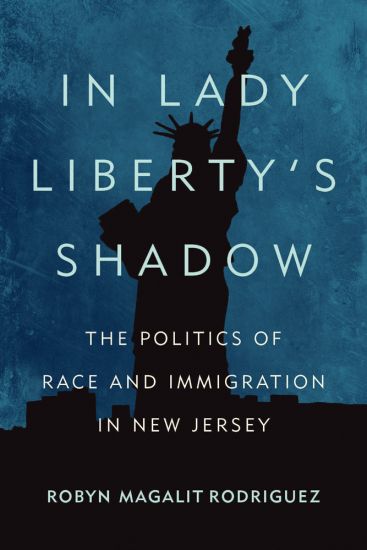
In Lady Liberty's Shadow

Robyn Magalit Rodriguez

Rutgers University Press
2017
sidottu
Home to Ellis Island, New Jersey has been the first stop for many immigrant groups for well over a century. Yet in this highly diverse state, some of the most anti-immigrant policies in the nation are being tested. American suburbs are home to increasing numbers of first and second-generation immigrants who may actually be bypassing the city to settle directly into the neighborhoods that their predecessors have already begun to plant roots in—a trajectory that leads to nativist ordinances and other forms of xenophobia. In Lady Liberty’s Shadow examines popular white perceptions of danger represented by immigrants and their children, as well the specter that lurks at the edges of suburbs in the shape of black and Latino urban underclasses and the ever more nebulous hazard of (presumed-Islamic) terrorism that threatening to undermine “life as we know it.” Robyn Magalit Rodriguez explores the impact of anti-immigrant municipal ordinances on a range of immigrant groups living in varied suburban communities, from undocumented Latinos in predominantly white suburbs to long-established Asian immigrants in “majority-minority” suburbs. The “American Dream” that suburban life is supposed to represent is shown to rest on a racialized, segregated social order meant to be enjoyed only by whites. Although it is a case study of New Jersey, In Lady Liberty’s Shadow offers crucial insights that can shed fresh light on the national immigration debate. For more information, go to: https://www.facebook.com/inlibertysshadow
Migrants for Export

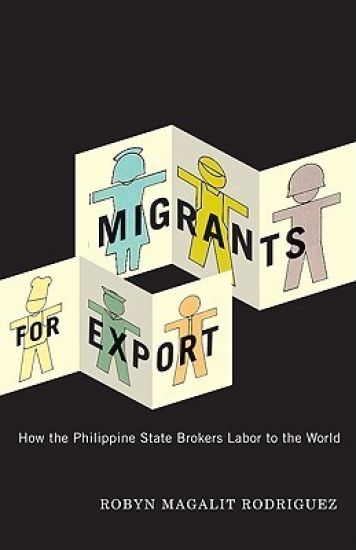
Migrants for Export

Robyn Magalit Rodriguez

University of Minnesota Press
2010
nidottu
Migrant workers from the Philippines are ubiquitous to global capitalism, with nearly 10 percent of the population employed in almost two hundred countries. In a visit to the United States in 2003, Philippine president Gloria Macapagal Arroyo even referred to herself as not only the head of state but also “the CEO of a global Philippine enterprise of eight million Filipinos who live and work abroad.” Robyn Magalit Rodriguez investigates how and why the Philippine government transformed itself into what she calls a labor brokerage state, which actively prepares, mobilizes, and regulates its citizens for migrant work abroad. Filipino men and women fill a range of jobs around the globe, including domestic work, construction, and engineering, and they have even worked in the Middle East to support U.S. military operations. At the same time, the state redefines nationalism to normalize its citizens to migration while fostering their ties to the Philippines. Those who leave the country to work and send their wages to their families at home are treated as new national heroes. Drawing on ethnographic research of the Philippine government’s migration bureaucracy, interviews, and archival work, Rodriguez presents a new analysis of neoliberal globalization and its consequences for nation-state formation.