Kirjojen hintavertailu. Mukana 11 238 005 kirjaa ja 12 kauppaa.

Kirjahaku

Etsi kirjoja tekijän nimen, kirjan nimen tai ISBN:n perusteella.

4 kirjaa tekijältä Roderick Adams

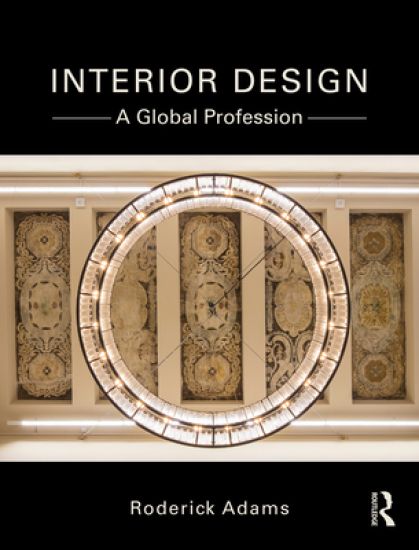
Interior Design

Interior Design

Roderick Adams

Routledge
2020
sidottu
As the globe shrinks and the concept of distance diminishes, this text challenges the current status quo by identifying the cohesions and specialisations of design communities across the continents. It sets out an international spatial design landscape, identifying and contouring global design practice and design hotspots from a range of case studies, interviews and design practice perspectives. Using a range of interior environments, the chapters link the origins, trends and perceptions of the interior to create new insight into trans-global design. The book expands, but also coheres the interior design discipline to ensure the subject continues to grow, develop and influence the inhabitations of the world. The book features a wealth of pedagogical elements including: Beautifully designed with over 100 full colour illustrations, photographs and examples of design work Maps and diagrams which highlight hotspots of design across the globe, providing strong graphic information Interview panels featuring professional insights from designers across the globe ‘Employability’ boxes, providing a good tips guide for students gaining employment across the globe ‘International Dimension’ boxes which strengthen the scholarship of studying interior design in a globalised way ‘Design Oddities’ box which brings into focus any new or contextual facts that help contextualise the global interior.
Interior Design

Interior Design

Roderick Adams

Routledge
2020
nidottu
As the globe shrinks and the concept of distance diminishes, this text challenges the current status quo by identifying the cohesions and specialisations of design communities across the continents. It sets out an international spatial design landscape, identifying and contouring global design practice and design hotspots from a range of case studies, interviews and design practice perspectives. Using a range of interior environments, the chapters link the origins, trends and perceptions of the interior to create new insight into trans-global design. The book expands, but also coheres the interior design discipline to ensure the subject continues to grow, develop and influence the inhabitations of the world. The book features a wealth of pedagogical elements including: Beautifully designed with over 100 full colour illustrations, photographs and examples of design work Maps and diagrams which highlight hotspots of design across the globe, providing strong graphic information Interview panels featuring professional insights from designers across the globe ‘Employability’ boxes, providing a good tips guide for students gaining employment across the globe ‘International Dimension’ boxes which strengthen the scholarship of studying interior design in a globalised way ‘Design Oddities’ box which brings into focus any new or contextual facts that help contextualise the global interior.
Designing Spatial Culture

Designing Spatial Culture

Roderick Adams

TAYLOR FRANCIS LTD
2023
nidottu
Designing Spatial Culture investigates a powerful experiential dialogue formed between the habitation of space and a diversified cultural realm. This creative proposition binds and positions human activity and experience framing its histories, currency and future. Whilst the book distinguishes between the conditions of the existing urban/ architecture/ interior canon, it embraces a new agency of space, showcasing the encounters, assemblies and designs that shape human behaviours and the cultural forms of the built environment.Using authoritative case studies, the book examines many locations and spaces, ranging from new urban landscapes, historical domestic spaces and contemporary architecture. It embraces the most lavish and flamboyant to the most simplistic and minimal, establishing a connected cultural narrative. The book shifts the focus in the spatial realm from an object-based experience (where space is filled with things) to a more complete immersive experience (combining physical and digital). A key part of this exploration is the relationship between the architecture and the interior which is often the most predominant spatial experience and fundamental to the understanding spatial experience and existing cultures. Without the architectural enclosure, the interior would lose its site context and structure for its existence. Without an interior, architecture would not fully develop an engaging spatial experience for the user. The book rationalises this through extended use of a spatial probe which documents and summarises an evidence-based research project capturing spatial culture data from a predominantly domestic setting. The book is essential reading for students and researchers in architecture, interior design and urban design.
Designing Spatial Culture

Designing Spatial Culture

Roderick Adams

TAYLOR FRANCIS LTD
2023
sidottu
Designing Spatial Culture investigates a powerful experiential dialogue formed between the habitation of space and a diversified cultural realm. This creative proposition binds and positions human activity and experience framing its histories, currency and future. Whilst the book distinguishes between the conditions of the existing urban/ architecture/ interior canon, it embraces a new agency of space, showcasing the encounters, assemblies and designs that shape human behaviours and the cultural forms of the built environment.Using authoritative case studies, the book examines many locations and spaces, ranging from new urban landscapes, historical domestic spaces and contemporary architecture. It embraces the most lavish and flamboyant to the most simplistic and minimal, establishing a connected cultural narrative. The book shifts the focus in the spatial realm from an object-based experience (where space is filled with things) to a more complete immersive experience (combining physical and digital). A key part of this exploration is the relationship between the architecture and the interior which is often the most predominant spatial experience and fundamental to the understanding spatial experience and existing cultures. Without the architectural enclosure, the interior would lose its site context and structure for its existence. Without an interior, architecture would not fully develop an engaging spatial experience for the user. The book rationalises this through extended use of a spatial probe which documents and summarises an evidence-based research project capturing spatial culture data from a predominantly domestic setting. The book is essential reading for students and researchers in architecture, interior design and urban design.