Kirjojen hintavertailu. Mukana 11 244 527 kirjaa ja 12 kauppaa.

Kirjahaku

Etsi kirjoja tekijän nimen, kirjan nimen tai ISBN:n perusteella.

2 kirjaa tekijältä Rodney Boyer

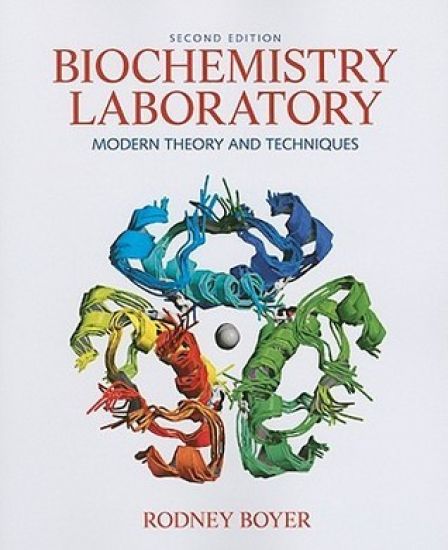
Biochemistry Laboratory

Biochemistry Laboratory

Rodney Boyer

Pearson
2011
nidottu
Your biochemistry lab course is an essential component in training for a career in biochemistry, molecular biology, chemistry, and related molecular life sciences such as cell biology, neurosciences, and genetics. Biochemistry Laboratory: Modern Theory and Techniques covers the theories, techniques, and methodologies practiced in the biochemistry teaching and research lab. Instead of specific experiments, it focuses on detailed descriptions of modern techniques in experimental biochemistry and discusses the theory behind such techniques in detail. An extensive range of techniques discussed includes Internet databases, chromatography, spectroscopy, and recombinant DNA techniques such as molecular cloning and PCR. The Second Edition introduces cutting-edge topics such as membrane-based chromatography, adds new exercises and problems throughout, and offers a completely updated Companion Website.
Modern Experimental Biochemistry

Modern Experimental Biochemistry

Rodney Boyer

Pearson Education (US)
2000
nidottu
This successful text provides students majoring in biochemistry, chemistry, biology, and related fields with a modern and complete experience in experimental biochemistry. Its unique two-part organization offers flexibility to accommodate various requirements of the course, and allows students to reference detailed theory sections for clarification during labs. Part I, Theory and Experimental Techniques, provides in-depth theoretical discussion organized around important techniques. A valuable reference for instructors and students, it's particularly useful to instructors who prefer to use their own customized experiments. Part II, Experiments, offers optimum flexibility through 15 tested experiments designed to accommodate the capabilities of laboratories and students at most four-year schools. Alternate methods are suggested and labs may be divided into manageable hour segments.