Kirjojen hintavertailu. Mukana 11 627 220 kirjaa ja 12 kauppaa.

Kirjahaku

Etsi kirjoja tekijän nimen, kirjan nimen tai ISBN:n perusteella.

7 kirjaa tekijältä Rodolfo Maggio

La favola del giovane venditore di tè e altre storie

La favola del giovane venditore di tè e altre storie

Rodolfo Maggio

Independently Published
2013
nidottu
La Favola del Giovane Venditore di T stata scritta su delle cartoline nel corso di un viaggio. La destinataria le ha tenute e abbiamo deciso di condividerle all'indirizzo: www.rodolfo-maggio.com/cartolineIl libroLe storie raccontate in questo libro sono brevi, adatte alla buonanotte, ma anche a chi ha bisogno di un pensiero piccolo e bello nel prendersi un caff , e anche a chi sempre in movimento ma non vuole rinunciare a vivere con profondit .Sono anche storie divertenti, perch c' sempre un risvolto di qualche tipo, una sorpresa, una battuta. E poi sono storie vere, nel senso che ognuno dei personaggi , in qualche modo, esistito. Per questo cos facile ritrovarcisi.La favolaLa Favola del Giovane Venditore di T narra la storia di un giovane che viaggia diretto verso la valle dei Re, un luogo leggendario, circondato da un'aura di ricchezza e sapienza. Lungo il suo cammino incontra molti personaggi diversi che costituiscono al tempo stesso delle prove da superare e delle occasioni per imparare importanti lezioni. A ciascuno di essi egli cede un po' delle sue preziose miscele di t , ricevendone in cambio i mezzi per raggiungere la propria meta. Il primo incontro avviene con un vecchietto al quale d del t per lenire i mali della senilit e dal quale riceve in cambio un quadernetto di viaggio. In un'altra citt incontra un sarto che ha un figlio malato. Il giovane curer il bambino con una miscela e otterr in cambio un abito regale per recarsi vestito adeguatamente nella valle dei Re. Ci saranno altri imprevedibili incontri prima che egli possa dirsi arrivato. Ma anche un volta raggiunta la meta il suo viaggio non potr dirsi concluso. Ogni personaggio non costituisce soltanto un aiuto. Ciascuno la metafora degli insegnamenti e dei moniti dai quali il ragazzo impara il valore della propria libert . Sar l'ultimo incontro, quello con l'amore, che gli offrir l'occasione di imparare la lezione definitiva: quella sul confine sottile che separa la totale libert dalla totale prigionia.Le storiePer quanto riguarda le altre, di storie, si potrebbe dire che anch'esse non trattano che della stessa, identica, faccenda.C' la storia della Presto Mamma che, in bilico sul significato della propria gravidanza, deve prendere una decisione.C' la storia di Capo Seattle, anch'egli sul punto di compiere una scelta, una scelta che avr conseguenze storiche sul futuro del suo popolo.C' la storia dei due sassolini raccolti nel letto di un fiume, che finiranno per assolvere un compito importantissimo.C' La Favola di Amore e Follia, che spiega perch , fin dagli albori, l'uno si accompagna sempre accanto all'altra.Sono tutte storie che parlano d'amore, di viaggio, di scoperta, ma anche di destini crudeli e inevitabili.Come quello della Zanzara Bramosella, colpevole solo di una puntura.O quello dell'orologio da panciotto, che voleva solo tornare a ticchettare.O quello del pesciolino rosso, che si sentiva solo nella boccia di vetro.Sono quindi storie per tutti, per adulti che vogliono ritrovare un po' della meraviglia e della consapevolezza che nella vita di tutti i giorni si perde inseguendo... qualunque cosa sia quella cosa che inseguite. Sono storie per giovani che gi vedono storie ovunque e ne vogliono ancora. Sono anche storie per bambini che stanno crescendo e possono cominciare a vedere nei personaggi alcune delle lezioni che la vita ha da insegnare. Proprio come stato per il giovane venditore di t .www.rodolfo-maggio.com​
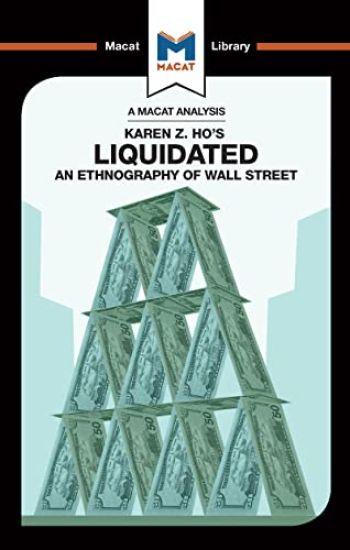
An Analysis of Karen Z. Ho's Liquidated

An Analysis of Karen Z. Ho's Liquidated

Rodolfo Maggio

Macat International Limited
2017
nidottu
Liquidated is a work of anthropology that treats an unusual, despised subculture – that of the Wall Street banker – much as anthropologists have traditionally treated remote ‘savage’ tribes. But using the techniques of ethnography, including interviews, analysis of daily lives, and fieldwork to investigate a modern western culture is not original; what sets Ho's work apart and gives it value is her mastery of the critical thinking skills of problem-solving and creative thinking to reconceptualize the way in which we understand the bankers' mindset. Ho's great achievement is to ask productive questions, most obviously in drawing a distinction between bankers' self-image as capitalist warriors, freeing up value for themselves and shareholders by increasing the liquidity of the assets they invest in, and the social consequences of what they do. As Ho points out, not only is Wall Street institutionally inclined to embrace risk, in order to maximise profit; it is also prone to assume that increased liquidity (most often achieved by breaking up and selling off the parts of a large corporation) is a good in itself, irrespective of the outcomes for the workers actually involved in these disposals. Considering alternative possibilities, and generating fresh solutions, Ho determines that the capitalist principles that underpin Wall Street are myths, not the expression of some natural economic law..
An Analysis of Jared M. Diamond's Collapse

An Analysis of Jared M. Diamond's Collapse

Rodolfo Maggio

Macat International Limited
2017
nidottu
American scholar Jared Diamond deploys his powers of interpretation to great effect in Collapse: How Societies Choose to Fail or Succeed, which seeks to understand the meaning behind the available evidence describing societies that have survived and those that have withered and died. Why, for example, did the Norsemen of Scandinavia who colonized Greenland in the early tenth century not survive, while the inhabitants of Highland New Guinea did? With the evidence to hand, Diamond notes that a society’s collapse tends to be preceded by a severe reduction in population and considerable decreases in political, economic and social complexity. Delving even deeper, Diamond isolates five major factors determine the success or failure of human societies in all periods of history: environmental degradation, which occurs when an ecosystem deteriorates as its resources are exhausted; climate change (natural or man-made); hostile neighbors; weakened trading partners; and access or otherwise to the resources that enable the society to adapt its challenges. The breadth of Diamond’s research provides the springboard from which to reach these definitions, but it inevitably also introduces complications; how can evidence produced by specialists in so many different disciplines be compared? Diamond’s ability to understand the meaning of the evidence at hand – and his readiness to seek and supply clarifications of meaning where necessary – underpin his achievement, and comprise a textbook example of how interpretative skills can provide a framework for strong critical thinking.
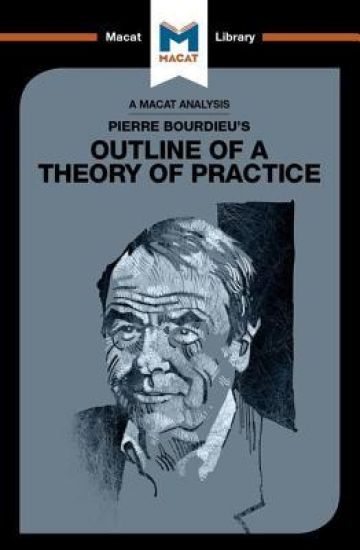
An Analysis of Pierre Bourdieu's Outline of a Theory of Practice
In Outline of a Theory of Practice, Bourdieu questions the preeminent ideas of social anthropologists such as Levi-Strauss who stressed the structural principles governing human action rather than the actions themselves and, Bourdieu asserts, doesn’t account for all observable nuances of behaviour. Drawing on his fieldwork in Algeria, he expresses the need for a theory of practice focusing on the dynamic flow of human actions in the social world. Bourdieu coins the term ‘habitus’- a relational concept linking structures to the practice of agents. Outline is a significant and original contribution, providing an account of many of the issues Bourdieu continued to develop through his career.
Collapse

Collapse

Rodolfo Maggio

Macat International Limited
2017
sidottu
American scholar Jared Diamond deploys his powers of interpretation to great effect in Collapse: How Societies Choose to Fail or Succeed, which seeks to understand the meaning behind the available evidence describing societies that have survived and those that have withered and died. Why, for example, did the Norsemen of Scandinavia who colonized Greenland in the early tenth century not survive, while the inhabitants of Highland New Guinea did? With the evidence to hand, Diamond notes that a society’s collapse tends to be preceded by a severe reduction in population and considerable decreases in political, economic and social complexity. Delving even deeper, Diamond isolates five major factors determine the success or failure of human societies in all periods of history: environmental degradation, which occurs when an ecosystem deteriorates as its resources are exhausted; climate change (natural or man-made); hostile neighbors; weakened trading partners; and access or otherwise to the resources that enable the society to adapt its challenges. The breadth of Diamond’s research provides the springboard from which to reach these definitions, but it inevitably also introduces complications; how can evidence produced by specialists in so many different disciplines be compared? Diamond’s ability to understand the meaning of the evidence at hand – and his readiness to seek and supply clarifications of meaning where necessary – underpin his achievement, and comprise a textbook example of how interpretative skills can provide a framework for strong critical thinking.
Liquidated:

Liquidated:

Rodolfo Maggio

Macat International Limited
2017
sidottu
Liquidated is a work of anthropology that treats an unusual, despised subculture – that of the Wall Street banker – much as anthropologists have traditionally treated remote ‘savage’ tribes. But using the techniques of ethnography, including interviews, analysis of daily lives, and fieldwork to investigate a modern western culture is not original; what sets Ho's work apart and gives it value is her mastery of the critical thinking skills of problem-solving and creative thinking to reconceptualize the way in which we understand the bankers' mindset. Ho's great achievement is to ask productive questions, most obviously in drawing a distinction between bankers' self-image as capitalist warriors, freeing up value for themselves and shareholders by increasing the liquidity of the assets they invest in, and the social consequences of what they do. As Ho points out, not only is Wall Street institutionally inclined to embrace risk, in order to maximise profit; it is also prone to assume that increased liquidity (most often achieved by breaking up and selling off the parts of a large corporation) is a good in itself, irrespective of the outcomes for the workers actually involved in these disposals. Considering alternative possibilities, and generating fresh solutions, Ho determines that the capitalist principles that underpin Wall Street are myths, not the expression of some natural economic law..
An Analysis of Pierre Bourdieu's Outline of a Theory of Practice
In Outline of a Theory of Practice, Bourdieu questions the preeminent ideas of social anthropologists such as Levi-Strauss who stressed the structural principles governing human action rather than the actions themselves and, Bourdieu asserts, doesn’t account for all observable nuances of behaviour. Drawing on his fieldwork in Algeria, he expresses the need for a theory of practice focusing on the dynamic flow of human actions in the social world. Bourdieu coins the term ‘habitus’- a relational concept linking structures to the practice of agents. Outline is a significant and original contribution, providing an account of many of the issues Bourdieu continued to develop through his career.