Kirjojen hintavertailu. Mukana 11 717 486 kirjaa ja 12 kauppaa.

Kirjahaku

Etsi kirjoja tekijän nimen, kirjan nimen tai ISBN:n perusteella.

10 kirjaa tekijältä Roger Hull

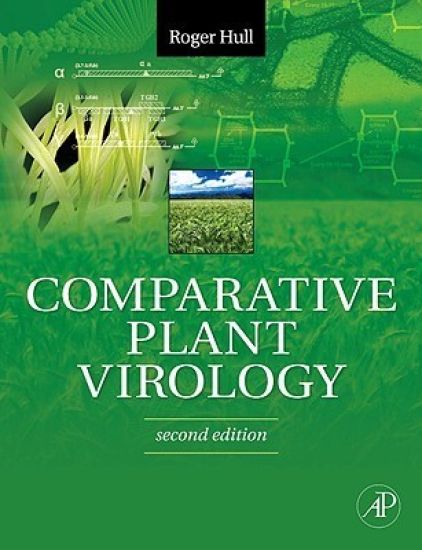
Comparative Plant Virology

Comparative Plant Virology

Roger Hull

Academic Press Inc
2009
sidottu
Comparative Plant Virology provides a complete overview of our current knowledge of plant viruses, including background information on plant viruses and up-to-date aspects of virus biology and control. It deals mainly with concepts rather than detail. The focus will be on plant viruses but due to the changing environment of how virology is taught, comparisons will be drawn with viruses of other kingdomes, animals, fungi and bacteria. It has been written for students of plant virology, plant pathology, virology and microbiology who have no previous knowledge of plant viruses or of virology in general.
Plant Virology

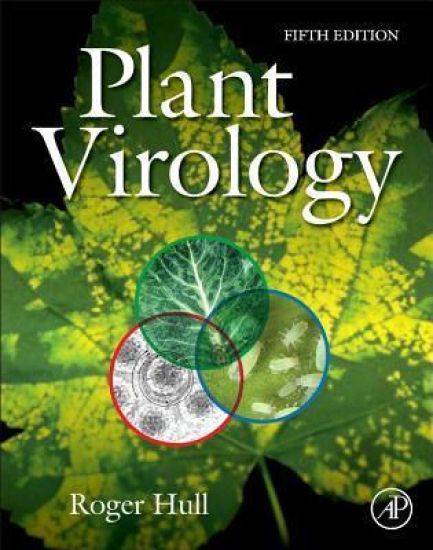
Plant Virology

Roger Hull

Academic Press Inc
2013
sidottu
The seminal text Plant Virology is now in its fifth edition. It has been 10 years since the publication of the fourth edition, during which there has been an explosion of conceptual and factual advances. The fifth edition of Plant Virology updates and revises many details of the previous edition while retaining the important earlier results that constitute the field's conceptual foundation. Revamped art, along with fully updated references and increased focus on molecular biology, transgenic resistance, aphid transmission, and new, cutting-edge topics, bring the volume up to date and maintain its value as an essential reference for researchers and students in the field.
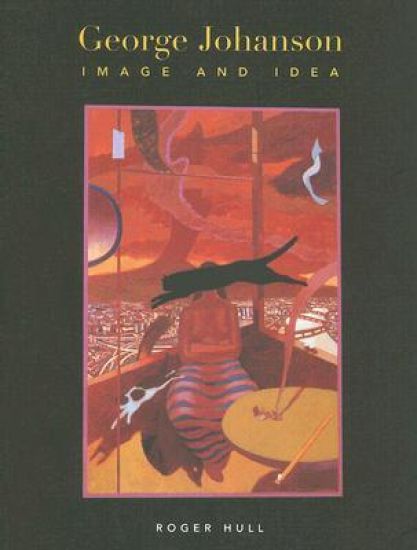
George Johanson

George Johanson

Roger Hull

Hallie Ford Museum of Art,US
2007
pokkari
George Johanson – painter, printmaker, and teacher – was born in Seattle, studied art in Portland, Oregon, and lived in New York in the early 1950s before returning to Portland. Whether in New York jazz clubs and slaughterhouses, in Mexican villages, at the Rose Festival held each year in Portland, at rehearsals of the Oregon Symphony, or in life drawing sessions with artist friends, making images on paper has been a basic element for Johanson throughout his life. The haunting power of Johanson's art originates, almost always, in drawing.Johanson's art is concerned with memory and recollection, dream and fantasy, biography and autobiography, physical and imaginative detachment yet sensual engagement. He is also the painter of fires that break out in city buildings or spew from volcanoes, and he often sets fire's rampage alongside human lassitude and seeming indifference.
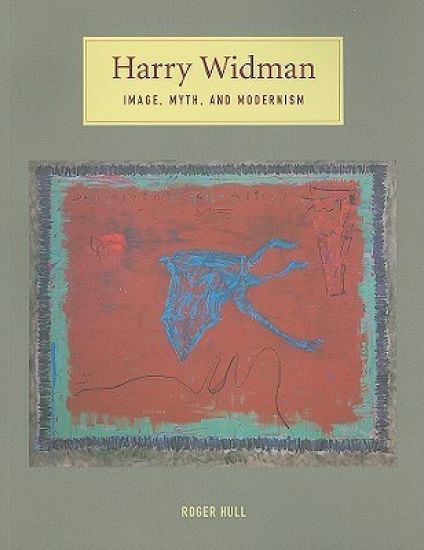
Harry Widman

Harry Widman

Roger Hull

Hallie Ford Museum of Art,US
2009
pokkari
Harry Widman: Image, Myth, and Modernism chronicles the life and times of the highly regarded Portland painter and teacher, who taught for 36 years at the Pacific Northwest College of Art (formerly the Portland Art Museum School) and served as interim dean during a critical period in the college's history. Responding to the work of artists as diverse as Wassily Kandinsky and Robert Motherwell, Widman forged a mature style that combined an abstract vocabulary and sensibility with social and political commentary.
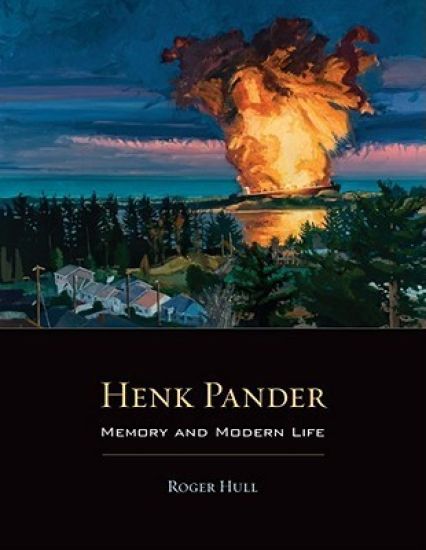
Henk Pander

Henk Pander

Roger Hull

Hallie Ford Museum of Art,US
2011
pokkari
Henk Pander has lived in Portland, Oregon, for 45 years but describes himself as a "reluctant immigrant" from his native Holland. He has maintained a cultural double vision. He records and interprets American technology, materialism, topography, and disaster in paintings and drawings that radically revise aspects of traditional Dutch painting in order to make hard-hitting American art. At the same time, he frequently paints specifically European scenes and subjects.His painted narratives range from memories of Nazi-occupied Holland, to a conflation of the American West with Deep Space, to the burning of the New Carissa off the Oregon coast. Combining personal and art historical memory with the subject matter of modern life, Pander creates works that are profound in their seriousness, dramatic intensity, and expressive power.
Manuel Izquierdo

Manuel Izquierdo

Roger Hull

Hallie Ford Museum of Art,US
2013
sidottu
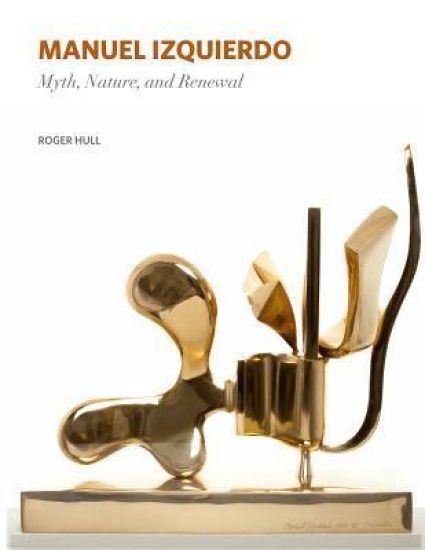
Manuel Izquierdo (1925-2009) was a major talent and charismatic personality in Oregon's modern art movement in the second half of the twentieth century. This book traces his compelling story of poverty-stricken origins in Madrid, his introduction to woodworking by his cabinet-maker grandfather, his childhood escape from Spain following the Spanish Civil War and emigration from France during World War II, and his life as a sculptor and printmaker in Portland from the 1940s to the twenty-first century.Inspired by mythology, nature, and art ranging Goya to Surrealism, Izquierdo's work is sometimes somber, often festive, and always fascinating with a combination of tradition, modern art, and a world view informed by his odyssey from war-torn Europe to the Pacific Northwest.
Louis Bunce

Louis Bunce

Roger Hull

Hallie Ford Museum of Art,US
2017
sidottu
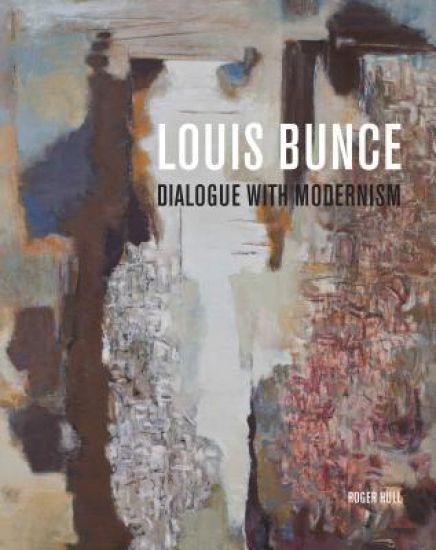
Louis Bunce: Dialogue with Modernism explores and assesses the art and life of the iconic Pacific Northwest modernist painter and printmaker who engaged with American and European modern art from Surrealism to Post-Modernism. Based in Portland, Oregon, Louis Bunce maintained strong ties with artists of the New York School, counting Jackson Pollock as colleague and friend. In his fifty-year career, Bunce (1907-1983) created a wide-ranging body of work that both reflects and illuminates twentieth-century modernism. He pioneered serigraphy as a fine art in the Northwest and as a painter infused painterly abstraction with references to the topography and light of the Northwest.
Nelson Sandgren

Nelson Sandgren

Roger Hull

Hallie Ford Museum of Art,US
2016
sidottu
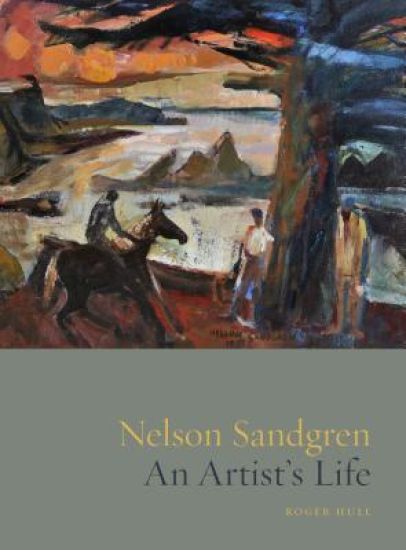
The Oregon artist Nelson Sandgren (1917-2006) worked in three distinct media - oil painting, watercolor, and lithography - distinguishing himself in each of these modes throughout his sixty-five-year career. Nelson Sandgren: An Artist's Life is the first in-depth study of this mid-century Oregon modernist who was born in Canada, grew up in Chicago, and moved with his family to Oregon during the Depression. As a watercolorist who loved to paint on site, often on the Oregon coast, Sandgren worked in the tradition of Winslow Homer and John Marin. In oil painting, he combined modernist abstraction with Pacific Northwest landscape imagery, in this practice paralleling Louis Bunce, Carl Morris, and other Oregon moderns. As a lithographer, Sandgren was central to the printmaking culture that Gordon Gilkey promoted at Oregon State university, where Sandgren taught for thirty-eight years. Roger Hull provides a detailed biography and a close analysis of Sandgren's key artworks while demonstrating Sandgren's significant place in Pacific Northwest modernist tradition.
Clifford Gleason

Clifford Gleason

Roger Hull

Hallie Ford Museum of Art,US
2020
sidottu
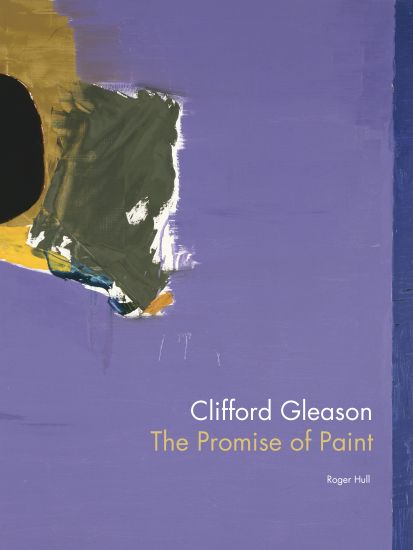
Clifford Gleason (1913-1978), who grew up in Salem and spent his adult life in both Salem and Portland, was a talented and highly original artist whose work remains of keen interest to a small and loyal group of collectors and artists but whose accomplishments are less generally known than those of other Oregon mid-century artists.Clifford Gleason: The Promise of Paint serves as both an introduction and a definitive study of an 'artist's artist,' who until now has not received the sustained attention that he and his work are due. It traces his career from the 1930s until the last months of his difficult life-difficult because of alcoholism, near poverty, and homosexuality in a repressive era. In paint, Gleason found the only realm in which he felt competent, confident, and successful; paint offered the promise of accomplishment.Roger Hull's knowledgeable text offers a chronological study combining biography, analysis of Gleason's artworks, and assessment of his place within the broader context of contemporary and Pacific Northwest art.Published in conjunction with an exhibition at the Hallie Ford Museum of Art at Willamette University, this richly illustrated monograph examines Gleason's identity as a modern artist as he responded to the rapid changes in artistic modernism from the late 1930s, when he studied with Louis Bunce at the Salem Federal Art Center, to the 1970s, when he rethought the legacy of Abstract Expressionism in works that are unique to him, visually beautiful and poetically expressive.