Kirjojen hintavertailu. Mukana 12 083 983 kirjaa ja 12 kauppaa.

Kirjahaku

Etsi kirjoja tekijän nimen, kirjan nimen tai ISBN:n perusteella.

18 kirjaa tekijältä Roger L. Lundblad

Chemical Reagents for Protein Modification
First published in 1991, Chemical Reagents for Protein Modification, 2nd Edition provides a unique combination of theoretical and practical considerations for the use of chemical reagents for site-specific modification of proteins. The book is divided into three sections, with the first section describing general techniques, including information on the organic chemistry of the various modification reactions; the separation and characterization of site-specific modified proteins, including applications to proteins separated by electrophoresis followed by blotting; the specific chemical cleavage of peptide bonds in proteins; the separation of peptides by high-performance liquid chromatography and electrophoresis; and the use of chemical reagents to assess conformational change in proteins. The second section provides an encyclopedic description of reagents and reactions for the site-specific modification of individual amino acid residues in proteins. The final section presents descriptions of the use of chemical reagents to label biologically significant sites in proteins, including enzyme active sites and the use of covalent cross-linking to measure protein-protein interactions. Particular emphasis is placed on the use of photoaffinity reagents. The book will be an extremely useful research tool for all investigators interested in the solution chemistry of proteins.
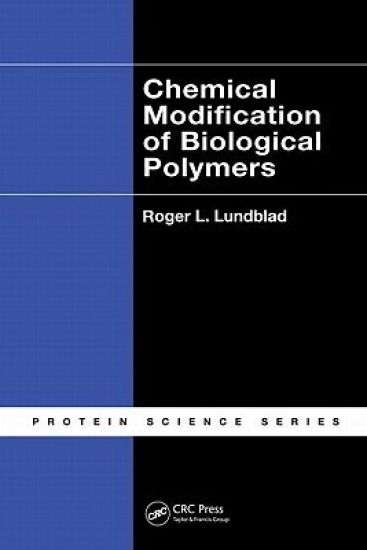
Chemical Modification of Biological Polymers
Examining the chemical modification of biological polymers and the emerging applications of this technology, Chemical Modification of Biological Polymers reflects the change in emphasis in this subsection of biotechnology from the study of protein structure and function toward applications in therapeutics and diagnostics. Highlights The basic organic chemistry of the modification proteins, nucleic acids, oligosaccharides, polysaccharides, and their applicationsNew analytical technologies used to characterize the chemical modification of biological polymersIdentification of in vivo, non-enzymatic chemical modification of biological polymersSpecific chemical modifications to generate biopharmaceutical products This book covers the basics on the organic chemistry underlying the chemical modification of biopolymers, including updates on the use of various chemical reagents. It describes the current status of chemical modification of biological polymers and emerging applications of this technology in biotechnology. These technologies are important for the manufacture of conjugate proteins used in drug delivery, for the preparation of nucleic acid microarrays, and for the preparation of hydrogels and other materials used in tissue engineering.
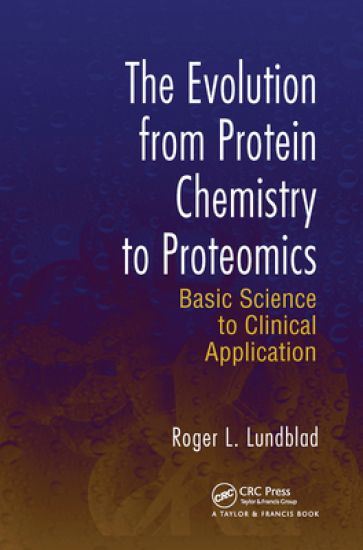
The Evolution from Protein Chemistry to Proteomics
Largely driven by major improvements in the analytical capability of mass spectrometry, proteomics is being applied to broader areas of experimental biology, ranging from oncology research to plant biology to environmental health. However, while it has already eclipsed solution protein chemistry as a discipline, it is still essentially an extension of classical protein chemistry, owing much of its maturation to prior contributions. Unfortunately, this debt is not always evident in current literature.The Evolution from Protein Chemistry to Proteomics: Basic Science to Clinical Application, in providing a different perspective than other reviews, strengthens the connection between solution protein chemistry and proteomic technology. Towards this end, Roger Lundblad, a long-time leader in protein chemistry and a scientist who has worked in both academics and industry, brings together some seemingly disparate areas into a single volume. Discussing analytical proteomics, expression proteomics, and clinical proteomics (biomarker identification), he provides coverage that is uniquely rich in detail. Lundblad applies this detail to sample preparation for proteomic analysis, including preparation from blood and tissues. He also presents specifics on the prefractionation of samples used to identify specific subproteomes such as phosphoproteomes and glycoproteomes. Comprehensive reviews are provided covering the chemical modification of proteins, including its use for chemical proteomics. Special attention is given to challenges that impede the identification, validation, and development of biomarkers into clinically useful diagnostic analytes. A bestselling author, Lundblad utilizes classical protein chemistry literature in providing an intellectual basis for proteomics that merges current concepts with the existing literature, while providing the technical detail necessary for the effective commercialization of proteomics.
Chemical Reagents for Protein Modification
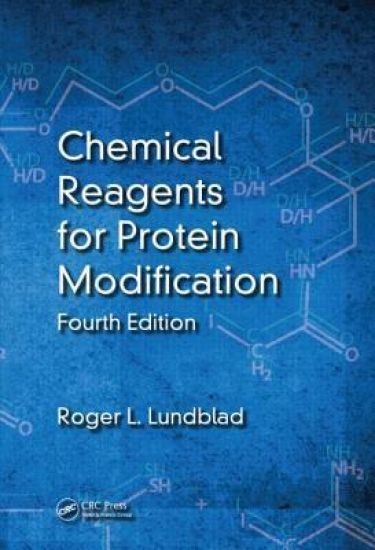
The use of the chemical modification of proteins has evolved over the past 80 years, benefiting from advances in analytical, physical, and organic chemistry. Over the past 30 years, the use of chemical reagents to modify proteins has been crucial in determining the function and structure of purified proteins. This groundbreaking work is part of the foundation of emerging disciplines of proteomics, chemical biology, structure biology, and chemical proteomics.Chemical Reagents for Protein Modification, Fourth Edition provides a comprehensive review of reagents used for the chemical modification of proteins, representing a major revision of the work presented in previous editions. The completely updated Fourth Edition is substantially larger and includes five new chapters: Alkylating AgentsAcylating AgentsNitration and NitrosylationOxidationModification of Proteins with Reducing Agents There is greatly increased coverage of the chemical modification of cysteine, which is critical for bioconjugate synthesis. The chapter on reduction also provides information necessary for bioconjugate synthesis as well as for the processing of inclusion bodies. The book places emphasis on conditions that affect the specificity of the chemical modification of proteins, such as solvent and temperature. The format has been markedly revised, presenting information based on the chemical nature of the modifying material and on the amino acid residue modified. This new version has increased significance to biopharmaceuticals. Much of the information is in tabular form, which enables the rapid location of cited material.
The Evolution from Protein Chemistry to Proteomics
Largely driven by major improvements in the analytical capability of mass spectrometry, proteomics is being applied to broader areas of experimental biology, ranging from oncology research to plant biology to environmental health. However, while it has already eclipsed solution protein chemistry as a discipline, it is still essentially an extension of classical protein chemistry, owing much of its maturation to prior contributions. Unfortunately, this debt is not always evident in current literature.The Evolution from Protein Chemistry to Proteomics: Basic Science to Clinical Application, in providing a different perspective than other reviews, strengthens the connection between solution protein chemistry and proteomic technology. Towards this end, Roger Lundblad, a long-time leader in protein chemistry and a scientist who has worked in both academics and industry, brings together some seemingly disparate areas into a single volume. Discussing analytical proteomics, expression proteomics, and clinical proteomics (biomarker identification), he provides coverage that is uniquely rich in detail. Lundblad applies this detail to sample preparation for proteomic analysis, including preparation from blood and tissues. He also presents specifics on the prefractionation of samples used to identify specific subproteomes such as phosphoproteomes and glycoproteomes. Comprehensive reviews are provided covering the chemical modification of proteins, including its use for chemical proteomics. Special attention is given to challenges that impede the identification, validation, and development of biomarkers into clinically useful diagnostic analytes. A bestselling author, Lundblad utilizes classical protein chemistry literature in providing an intellectual basis for proteomics that merges current concepts with the existing literature, while providing the technical detail necessary for the effective commercialization of proteomics.
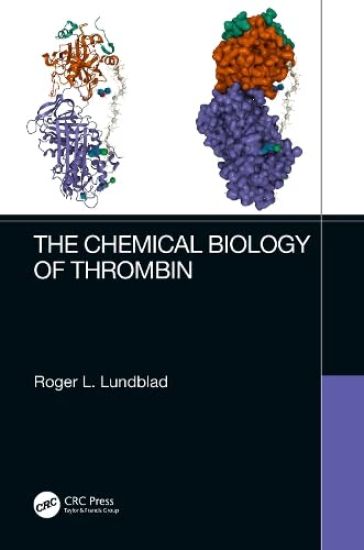
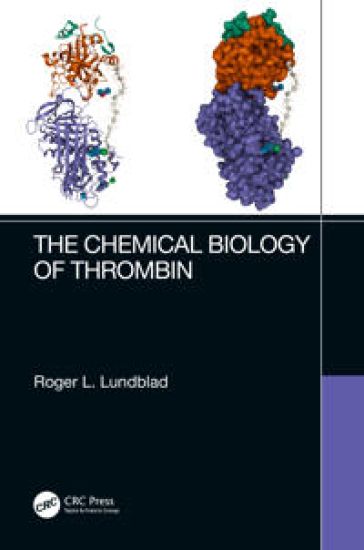
The Chemical Biology of Thrombin

The Chemical Biology of Thrombin

Roger L. Lundblad

TAYLOR FRANCIS LTD
2024
nidottu
This book is a comprehensive review of thrombin, especially as regulatory protease. The ready availability of highly purified thrombin has stimulated rapid advances in the cell biology of this important macromolecule. The text focuses on research findings from the discovery of thrombin by Andrew Buchanan in 1842 to the present. A substantial amount of this work was conducted by the author and his colleagues. His work on the purification of thrombin was seminal to much subsequent work on thrombin. This volume provides a framework for future studies now made possible by the discovery of the importance of exosites in the physiology of thrombin function. The current work describes the process of the development of an oral inhibitor of thrombin used in the prevention of thrombosis. Key Features Reviews the history of Thrombin (Fibrin Ferment) Documents the relation of protein engineering and chemical modification in the study of thrombin Summarizes the interaction of thrombin with fibrinogen and fibrin Outlines the role of exosites in thrombin function Describes the development of an oral inhibitor for thrombin
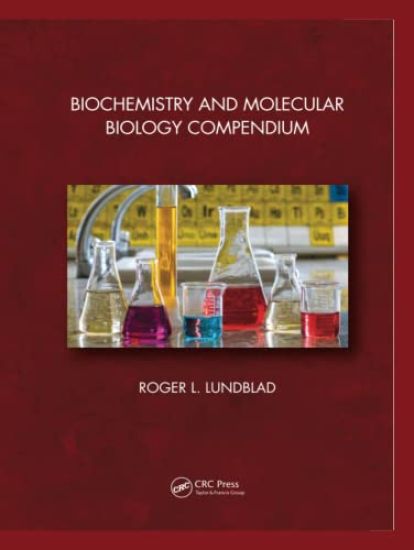
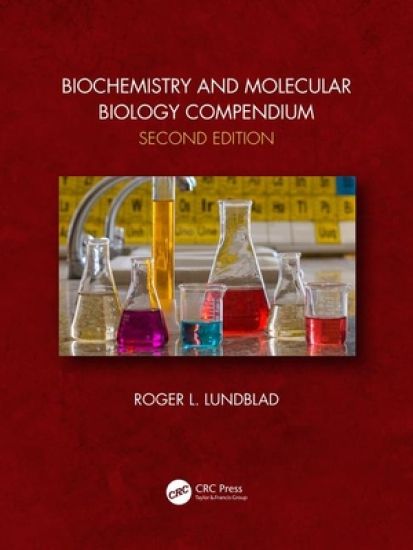
Biochemistry and Molecular Biology Compendium

Biochemistry and Molecular Biology Compendium

Roger L. Lundblad

TAYLOR FRANCIS LTD
2022
nidottu
This book is an accessible resource offering practical information not found in more database-oriented resources. The first chapter lists acronyms with definitions, and a glossary of terms and subjects used in biochemistry, molecular biology, biotechnology, proteomics, genomics, and systems biology. There follows chapters on chemicals employed in biochemistry and molecular biology, complete with properties and structure drawings. Researchers will find this book to be a valuable tool that will save them time, as well as provide essential links to the roots of their science.Key selling features:Contains an extensive list of commonly used acronyms with definitionsOffers a highly readable glossary for systems and techniquesProvides comprehensive information for the validation of biotechnology assays and manufacturing processesIncludes a list of Log P values, water solubility, and molecular weight for selected chemicalsGives a detailed listing of protease inhibitors and cocktails, as well as a list of buffers
Biochemistry and Molecular Biology Compendium
This book is an accessible resource offering practical information not found in more database-oriented resources. The first chapter lists acronyms with definitions, and a glossary of terms and subjects used in biochemistry, molecular biology, biotechnology, proteomics, genomics, and systems biology. There follows chapters on chemicals employed in biochemistry and molecular biology, complete with properties and structure drawings. Researchers will find this book to be a valuable tool that will save them time, as well as provide essential links to the roots of their science.Key selling features:Contains an extensive list of commonly used acronyms with definitionsOffers a highly readable glossary for systems and techniquesProvides comprehensive information for the validation of biotechnology assays and manufacturing processesIncludes a list of Log P values, water solubility, and molecular weight for selected chemicalsGives a detailed listing of protease inhibitors and cocktails, as well as a list of buffers
The Chemical Biology of Thrombin

The Chemical Biology of Thrombin

Roger L. Lundblad

TAYLOR FRANCIS LTD
2022
sidottu
This book is a comprehensive review of thrombin, especially as regulatory protease. The ready availability of highly purified thrombin has stimulated rapid advances in the cell biology of this important macromolecule. The text focuses on research findings from the discovery of thrombin by Andrew Buchanan in 1842 to the present. A substantial amount of this work was conducted by the author and his colleagues. His work on the purification of thrombin was seminal to much subsequent work on thrombin. This volume provides a framework for future studies now made possible by the discovery of the importance of exosites in the physiology of thrombin function. The current work describes the process of the development of an oral inhibitor of thrombin used in the prevention of thrombosis. Key Features Reviews the history of Thrombin (Fibrin Ferment) Documents the relation of protein engineering and chemical modification in the study of thrombin Summarizes the interaction of thrombin with fibrinogen and fibrin Outlines the role of exosites in thrombin function Describes the development of an oral inhibitor for thrombin
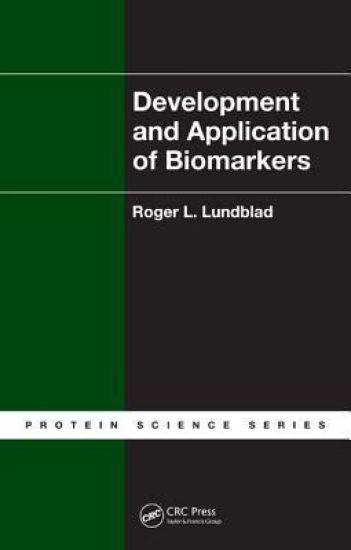
Development and Application of Biomarkers
First introduced to biomedical research in 1980, the term biomarker has taken on a life of its own in recent years and has come to mean a number of things. A comprehensive assessment of biomarkers, this book covers the history and current status of the application of biomarkers in diagnostics and prognostics. It explores the technology used for the study of biomarkers, and the validation of biomarkers including a comparison of the various technologies used to identify and measure biomarkers. The editors emphasize the technology underlying biomarkers and the translation of basic science to clinical laboratory technology, including the commercial development of biomarkers. The book also covers proteomics and proteomic technologies and their applications in the identification of biomarkers.
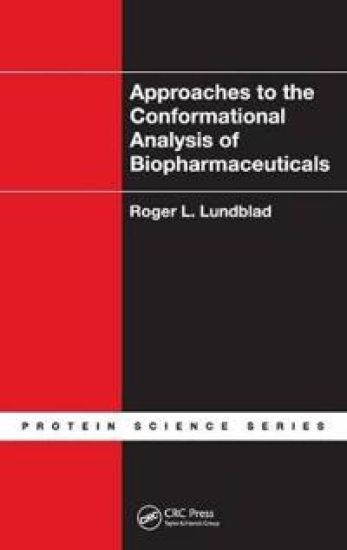
Approaches to the Conformational Analysis of Biopharmaceuticals
The activity of many biopharmaceutical polymers is dependent on conformation, and the next several years will see increased interest in the conformational analysis of these polymers resulting from the development of biosimilar or "follow-on" biological products. While a wide variety of approaches to analysis exists, finding the most viable ones would be much easier with a consolidated reference that details the benefits and cost of each approach, with an emphasis on real results and real products. Explores the Growing Role of Conformational Analysis in Comparing Generic BiopharmaceuticalsApproaches to the Conformational Analysis of Biopharmaceuticals gathers the most useful techniques and methods into a single volume, putting the greatest emphasis on those approaches that have proven the most fruitful. Rather than cover specific uses of techniques in detail, this book provides commercial biotechnologists and researchers with the information and references they need to make good choices about the technology they choose to use. With a large number of references that direct readers to primary source material, it includes studies drawn from the gamut of current literature, covering physical methods, such as differential scanning calorimetry, light scanning, and analytical ultracentrifugation. It also addresses chemical methods, such as hydrogen–deuterium exchange and trace labeling, along with infrared, ultraviolet, and Raman spectroscopy. Written by Roger Lundblad, a true pioneer in protein science, this volume supplies the necessary information researchers need to access when deciding on the most cost-effective approach, including: Comparability of biopharmaceuticalsCharacterization of follow-on biologicsQuality attributes of protein biopharmaceuticalsConfrontational analysis of biopharmaceutical productsWith a clear focus on relevant commercial biotechnology, this book belongs on the shelves of those serious researchers who are paving the way for the next generation of biopharmaceutical polymers.
Chemical Reagents for Protein Modification
The contents of this book are focused on the use of chemical modification to study the properties of proteins in solution. Particular emphasis has been placed on the practical laboratory aspects of this approach to the study of the relationship between structure and function in the complex class of biological heteropolymers. As a result, little emphasis is given to the individual consideration of the functional consequence of chemical modification.
Application of Solution Protein Chemistry to Biotechnology
Reflecting the versatility of the author’s science and the depth of his experience, Application of Solution Protein Chemistry to Biotechnology explores key contributions that protein scientists can make in the development of products that are both important and commercially viable, and provides them with tools and information required for successful participation.One of the of the world’s most respected protein researchers, Roger Lundblad does not succumb to the notion that new is always better. The application of protein science to the practice of commercial biotechnology is traced to the underlying basic solution protein chemistry. It is only by achieving this understanding that the full potential of protein science may be obtained in the development and characterization of the diverse products of modern biotechnology. Dr. Lundblad also goes far beyond the biopharmaceutical applications that are often equated with protein science today to demonstrate the field’s unique versatility. From the making of bread and the invention of adhesives to the production of pharmaceuticals and the development of recombinant DNA products— in each of these products, the role of the protein chemist remains prominent. The important point is that classical protein chemistry is a critical part of the practice of biotechnology in the marketplace.Providing the direction and the foundational work needed by students as well as the details and hundreds of references needed by designers and developers, this remarkable work— Delves into the application of protein science for producing products as diverse as adhesives, drug delivery systems, and quality food productsExplores chemistry of attachment of proteins and peptides to solid surfaces with regard to applications both for the improvement of steel and titanium and in DNA and protein microarrays Describes the development of bioconjugates used in antibodiesOffers essential advice on guidelines required for producing licensed biopharmaceutical productsWhile he does include a great deal of material not found in other sources, Dr. Lundblad makes a point to separate what is truly new from that which has merely been renamed. A reference unlike most, scientists and students eager to learn will find a text that is as practical as it is purposeful.
Approaches to the Conformational Analysis of Biopharmaceuticals
The activity of many biopharmaceutical polymers is dependent on conformation, and the next several years will see increased interest in the conformational analysis of these polymers resulting from the development of biosimilar or "follow-on" biological products. While a wide variety of approaches to analysis exists, finding the most viable ones would be much easier with a consolidated reference that details the benefits and cost of each approach, with an emphasis on real results and real products. Explores the Growing Role of Conformational Analysis in Comparing Generic BiopharmaceuticalsApproaches to the Conformational Analysis of Biopharmaceuticals gathers the most useful techniques and methods into a single volume, putting the greatest emphasis on those approaches that have proven the most fruitful. Rather than cover specific uses of techniques in detail, this book provides commercial biotechnologists and researchers with the information and references they need to make good choices about the technology they choose to use. With a large number of references that direct readers to primary source material, it includes studies drawn from the gamut of current literature, covering physical methods, such as differential scanning calorimetry, light scanning, and analytical ultracentrifugation. It also addresses chemical methods, such as hydrogen–deuterium exchange and trace labeling, along with infrared, ultraviolet, and Raman spectroscopy. Written by Roger Lundblad, a true pioneer in protein science, this volume supplies the necessary information researchers need to access when deciding on the most cost-effective approach, including: Comparability of biopharmaceuticalsCharacterization of follow-on biologicsQuality attributes of protein biopharmaceuticalsConfrontational analysis of biopharmaceutical productsWith a clear focus on relevant commercial biotechnology, this book belongs on the shelves of those serious researchers who are paving the way for the next generation of biopharmaceutical polymers.
Development and Application of Biomarkers

Development and Application of Biomarkers

Roger L. Lundblad

CRC Press Inc
2010
sidottu
First introduced to biomedical research in 1980, the term biomarker has taken on a life of its own in recent years and has come to mean a number of things. A comprehensive assessment of biomarkers, this book covers the history and current status of the application of biomarkers in diagnostics and prognostics. It explores the technology used for the study of biomarkers, and the validation of biomarkers including a comparison of the various technologies used to identify and measure biomarkers. The editors emphasize the technology underlying biomarkers and the translation of basic science to clinical laboratory technology, including the commercial development of biomarkers. The book also covers proteomics and proteomic technologies and their applications in the identification of biomarkers.
Chemical Modification of Biological Polymers

Chemical Modification of Biological Polymers

Roger L. Lundblad

CRC Press Inc
2011
sidottu
Examining the chemical modification of biological polymers and the emerging applications of this technology, Chemical Modification of Biological Polymers reflects the change in emphasis in this subsection of biotechnology from the study of protein structure and function toward applications in therapeutics and diagnostics. Highlights The basic organic chemistry of the modification proteins, nucleic acids, oligosaccharides, polysaccharides, and their applicationsNew analytical technologies used to characterize the chemical modification of biological polymersIdentification of in vivo, non-enzymatic chemical modification of biological polymersSpecific chemical modifications to generate biopharmaceutical products This book covers the basics on the organic chemistry underlying the chemical modification of biopolymers, including updates on the use of various chemical reagents. It describes the current status of chemical modification of biological polymers and emerging applications of this technology in biotechnology. These technologies are important for the manufacture of conjugate proteins used in drug delivery, for the preparation of nucleic acid microarrays, and for the preparation of hydrogels and other materials used in tissue engineering.
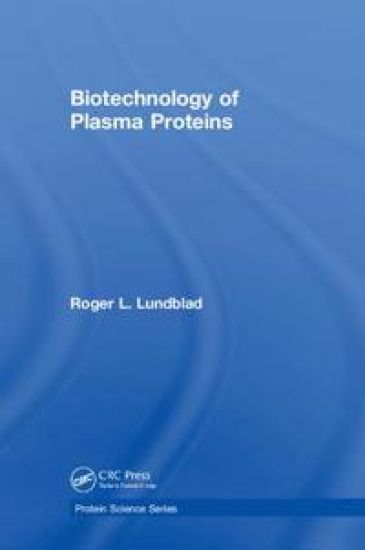
Biotechnology of Plasma Proteins

Biotechnology of Plasma Proteins

Roger L. Lundblad

CRC Press Inc
2012
sidottu
The fractionation of human blood plasma can be considered to be a mature industry, with the basic technology, alcohol fractionation, dating back at least to the 1940s. Many of the products described in the current work have been approved biologics since the 1950s. The information gathered from the development of plasma proteins has proved vital to the development of recombinant therapeutic proteins. Discussing the role of plasma proteins in current biotechnology, Biotechnology of Plasma Proteins describes the protein composition of human plasma, the fractionation of plasma to obtain therapeutic proteins, and the analysis of these products. It delineates the path from plasma products to recombinant products, and highlights products from albumin, intravenous immunoglobins, and coagulation. It offers a comprehensive review of current techniques for the analysis of proteins including electrophoresis, chromatography, spectrophotometry, mass spectrometry, and updates not published since 1975. Key TopicsProtein Composition of PlasmaProteomic methods for plasma protein analysisPlasma protein biomarkersValidation of biomarkersAssays for plasma biomarkersMethods for the Analysis of Protein ProductsAssay development and validationElectrophoresisChromatographyImmunoassayMass spectrometryRaman spectroscopyPlasma Fractionation: Historical and Modern Methods Development of Cohn alcohol fractionationIndustrial methodsDevelopment of chromatographic methodsPlasma Protein Products of Therapeutic Value AlbuminIntravenous immunoglobulinCoagulation productsGrowth factorsWound management
Chemical Reagents for Protein Modification

Chemical Reagents for Protein Modification

Roger L. Lundblad

CRC Press Inc
2014
sidottu
The use of the chemical modification of proteins has evolved over the past 80 years, benefiting from advances in analytical, physical, and organic chemistry. Over the past 30 years, the use of chemical reagents to modify proteins has been crucial in determining the function and structure of purified proteins. This groundbreaking work is part of the foundation of emerging disciplines of proteomics, chemical biology, structure biology, and chemical proteomics.Chemical Reagents for Protein Modification, Fourth Edition provides a comprehensive review of reagents used for the chemical modification of proteins, representing a major revision of the work presented in previous editions. The completely updated Fourth Edition is substantially larger and includes five new chapters: Alkylating AgentsAcylating AgentsNitration and NitrosylationOxidationModification of Proteins with Reducing AgentsThere is greatly increased coverage of the chemical modification of cysteine, which is critical for bioconjugate synthesis. The chapter on reduction also provides information necessary for bioconjugate synthesis as well as for the processing of inclusion bodies. The book places emphasis on conditions that affect the specificity of the chemical modification of proteins, such as solvent and temperature. The format has been markedly revised, presenting information based on the chemical nature of the modifying material and on the amino acid residue modified. This new version has increased significance to biopharmaceuticals. Much of the information is in tabular form, which enables the rapid location of cited material.