Kirjojen hintavertailu. Mukana 12 016 292 kirjaa ja 12 kauppaa.

Kirjahaku

Etsi kirjoja tekijän nimen, kirjan nimen tai ISBN:n perusteella.

47 kirjaa tekijältä Ron Brown

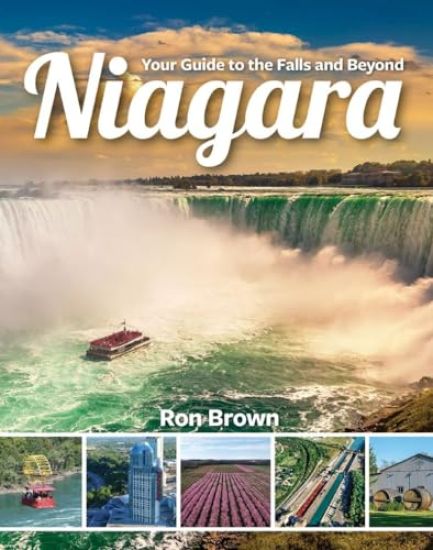
Niagara

Niagara

Ron Brown

FIREFLY BOOKS LTD
2024
nidottu
This book takes readers beyond the lights and the sounds of the City of the Falls to venture to lesser-known but equally fascinating sites that abound across the region. The first-known European to gaze upon Niagara Falls was a Jesuit priest and explorer named Louis Hennepin in 1688. He took his somewhat exaggerated description of its size and power back to amazed Europeans. From then on, the Falls became a must-see destination for people from around the world and one of North America’s leading tourist attractions. But there is more to the Niagara region than a mighty cataract. There are the world-class hotels and casinos, the Shaw Festival, the wineries, the hydroelectric generators, the natural wonders, the historic sites, and the Welland Canal — an engineering marvel and vital transportation link. This book is the story of the falls and beyond, covering: The geological evolution of Falls; Pioneering development of Ontario’s hydroelectric power; Niagara’s wine region; Niagara’s Indigenous legacy; The War of 1812; Niagara’s Black history and heritage; Modern hotels and historic hostelries; The Niagara Parkway; Bridges across the Niagara River; The gardens of Niagara; Hiking trails and conservation areas; Casinos, hotels and midway Rides; The Shaw Festival; Historic downtown streetscapes; Niagara’s historic mansions; Lost villages and ghost towns; Niagara’s railway legacy, and more!
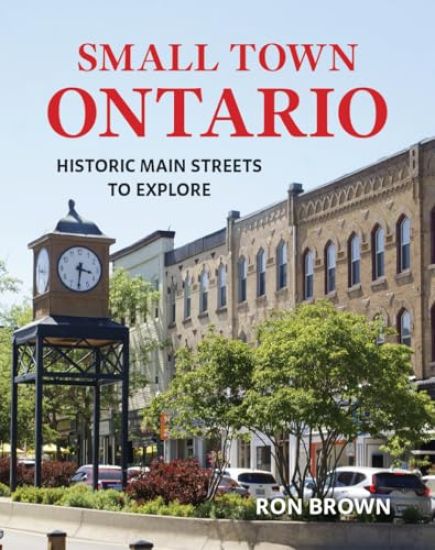
Small Town Ontario: Historic Main Streets to Explore
The main streets of Ontario's small towns provide a living, visual history of the settlement and development of the province. Small Town Ontario is a visual exploration of the most fascinating and important historic towns and the vibrant communities that live there today. Historian Ron Brown is uniquely qualified to write this guide. The author of best-selling books Backroads of Ontario, Top 170 Unusual Things to See in Ontario, Ontario's Ghost Town Heritage and Niagara: Your Guide to the Falls and Beyond, Brown has spent decades visiting, researching and writing every corner of the province he calls home. In Small Town Ontario, Brown takes you on a guided tour of the buildings, monuments, parks, bridges and roadways that comprise the best-preserved heritage streetscapes, including: Almonte Bayfield Cobourg Elora Kleinburg Niagara-on-the-Lake Port Stanley St. Mary's Unionville And many, many more Fully illustrated with the author's photographs, Small Town Ontario is an ideal book for anyone who wants to visit the most attractive remaining historic places and to learn more about Ontario's unique and lasting heritage.
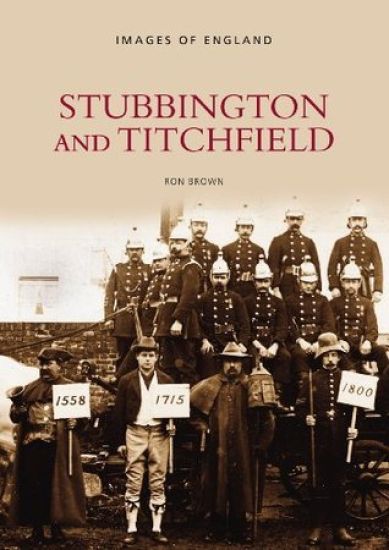
Stubbington and Titchfield

Stubbington and Titchfield

Ron Brown

The History Press Ltd
1998
nidottu
This unique collection of over 220 old photographs brings together the two villages of Stubbington and Titchfield, in a fascinating pictorial study. The history of the two villages is very contrasting: today Titchfield looks much the same as it did one hundred years ago, but Stubbington has changed almost beyond recognition to a bustling commercial centre. The book depicts scenes, people and events from everyday life in and around the two communities from the Victorian period to more recent times. The book includes some of the area's well known landmarks such as Titchfield Abbey and The Green in Stubbingtonover the years. We also see images of local traders such as Bungey's saddle and harness store and Lankester & Crooks general stores. Some well known, local individuals are also featured including Eleanor and Samuel Hardiman, founders of the Peel Common Mission and Ray 'Cyril' Moore, the speedway ace. Ron Brown is a well-known, local author and journalist and many of these photographs have never been published before. The book will appeal to all who have grown up in these two contrasting Hampshire villages and especially to those who would enjoy a trip into the Stubbington and Titchfield of yesteryear.
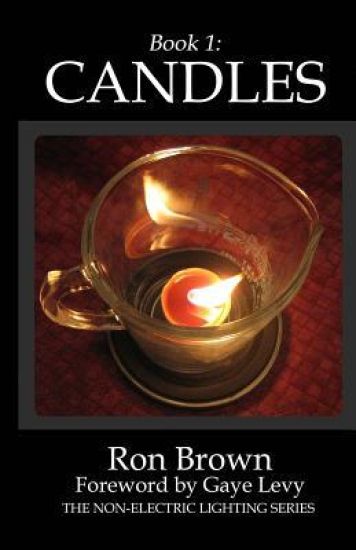
Book 1: Candles

Book 1: Candles

Ron Brown

Rc Publishing
2014
nidottu
★★★ Reader Feedback: Five Stars. Awesome book - Alison Thompson ● Candles is Book 1 of The Non-Electric Lighting Series. The series is aimed at people who want to survive whatever it is that Mother Nature throws at us - blizzards, blackouts, or Carrington events. ● Candles shows how to make tea candles and jar candles and taper candles as simply as possible. The goal is to have useful light. Decorative value, aromatherapy, and ambiance are not considerations. ● This book is unique in that it shows several ways to improvise candles. Some designs work well (canning-wax candles, for example). Other designs work poorly and are - IMHO - a waste of time and resources (Crisco candles). And some designs, although touted on YouTube and similar, are outright dangerous (crayon candles, ChapStick candles, etc.). Stuff we should all really understand. ★★★ Reader Feedback: Not totally exhaustive on everything candles, but pretty darn close. Read it in one night easy. - Clem Morten ● Candles contains 13,000 words, 109 color illustrations, and is 81 pages long. It's available in Kindle eBook format as well as paper. ● This is an 8-book series. The quickest way to see the other titles is 1] to click on the Follow the Author link elsewhere on this page. Or 2] if you're not in Amazon as you read this, copy-and-paste "the non-electric lighting series" (including the quote marks) into the Google search bar. You'll be so glad you did.
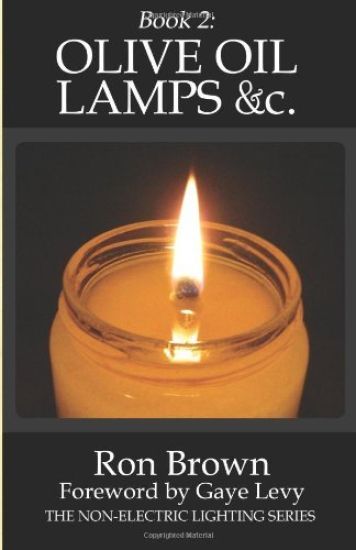
Book 2: Olive Oil Lamps &c.

Book 2: Olive Oil Lamps &c.

Ron Brown

Rc Publishing
2014
nidottu
★★★ Reader Feedback: Excellent and informative. This book is a gem. - Andy Roberts, UK ● Candles work great in a blackout unless you don't have any. But vegetable-oil lamps are a good substitute. They've been around since biblical times. Think of it as proven technology. The needed materials can be found in most kitchen pantries even where no conscious "prepping" has taken place beforehand. And the operating cost for a vegetable-oil lamp is under a penny per hour, less than any type of candle. ★★★ Reader Feedback: Very informative and interesting . . . A must have for the modern prepper . . . I consider it a great value. The pictures are clear and the descriptions . . . are excellent. - Moss VanGogh ● Olive Oil Lamps &c. is Book 2 in our Non-Electric Lighting Series. Fifteen different vegetable-oil lamp designs are presented that you can make yourself. (And if you count the variations, it's more like 22 or 23.) These are simple lamps, easy to understand. Some will even burn semisolid fats (Crisco, margarine, butter, or lard). ● Olive Oil Lamps &c. contains 8400 words, 51 color illustrations, and is 52 pages long. It's available in Kindle eBook format as well as paper. ★★★ Reader Feedback: Such a cool and practical book LOVE IT - Pharrell ● Please know that olive oil will not burn in a modern kerosene lamp. By design (for safety) in a kerosene lamp the flame is always 1.75 inches or more above the kero. A wick will simply not lift thick, viscous vegetable oil that far. ● Knowledge is power. That's what my college roommate kept repeating to me all those years ago. And the knowledge in this little book can spare you much of the helplessness you feel during a blackout. Like with the sniffling kids. And the wife pretending to be brave. Hmm. How can I put this? Help is on the way. ★★★ Reader Feedback: I followed the book's instructions and made a basic lamp with a tiny mason jar and its lid. My wife was surprised that it worked. The lamp puts out the same light as a candle. - A. Willis ● But it's also important to know what NOT to do. There's lots of bogus information around. YouTube, unfortunately, seems to have more than its share. This book tells you things to avoid. ● It will take you roughly half an hour to read this book. Afterwards, you'll be much better equipped to handle a blackout, whether it finds you at home or traveling far from your supplies. Thirty minutes well spent. ● This is an 8-book series. The quickest way to see the other titles is 1] to click on the Follow the Author link elsewhere on this page. Or 2] if you're not in Amazon as you read this, copy-and-paste "the non-electric lighting series" (including the quote marks) into the Google search bar.
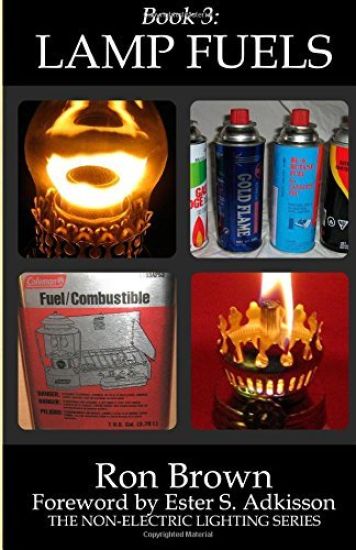
Book 3: Lamp Fuels

Book 3: Lamp Fuels

Ron Brown

Rc Publishing
2014
nidottu
★★★ Reader Feedback: Absolutely a MUST-READ for anyone using non-electric lighting . . . I have a college degree in fire protection and worked for years in the petroleum industry . . . I still learned things from this book . . . I can testify that he's correct in the information he shares . . . Enough talk. Just GET THIS BOOK - totallyfrozen ● Lamp Fuels is Book 3 of The Non-Electric Lighting Series. As soon as we graduate from candles and olive oil to kerosene, the door opens onto the crazy world of bad Internet information about lamp and lantern fuels. We really need to understand this stuff. And that's the purpose of Book 3. ● From the FOREWORD to Book 3: "Before publication, this book (as the author notes) was reviewed by two petrochemical engineers, a college physics professor, and a chemical engineer. As it so happens, I am the physics professor in question. But that was my past career. Today I work in the oil and gas industry and have been in the industry for almost 20 years. "I want to assure the reader that the information presented in this book is accurate. The topics, written from a lamp-fuel and lantern-fuel point of view, have been simplified but with full confidence I can state that what is presented is correct. "Please don't burn your house down. Please don't place your family at risk. Please take the time to read these few pages. Please, please, please. READ THE BOOK." - Ester S. Adkisson ★★★ Reader Feedback: A must-have for your library. - shadow ★★★ Reader Feedback: Finally I know what kerosene and mineral spirits are . . . I am so pleased to actually get real honest answers . . . Mr. Brown thank you. - rock hound grandma ● Lamp Fuels contains 12,000 words, 23 B&W illustrations, and is 70 pages long. ● This is an 8-book series. The quickest way to see the other titles is 1] to click on the Follow the Author link elsewhere on this page. Or 2] if you're not in Amazon as you read this, copy-and-paste "the non-electric lighting series" (including the quote marks) into the Google search bar.
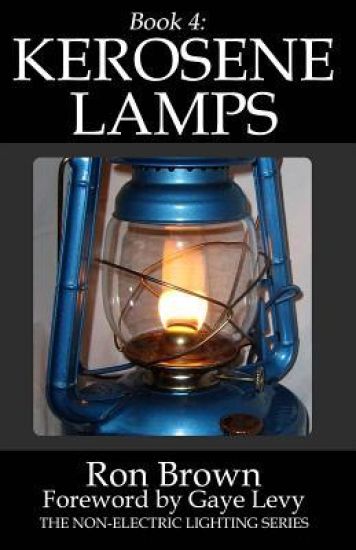
Book 4: Kerosene Lamps

Book 4: Kerosene Lamps

Ron Brown

Rc Publishing
2015
nidottu
★★★ Reader Feedback: Five Stars. Everything I expected and more - NE ● Kerosene Lamps is Book 4 of our Non-Electric Lighting Series. It covers wick-type kerosene lamps and lanterns and is intended for users, not antique dealers. How can we generate LIGHT? That is the question. ● Fuel substitutes, safety, operating procedures, maintenance, repair, and various lamp styles are the topics. Things to look for when buying used. Cost effectiveness. Homemade lamps. Candlepower. Those are the topics discussed. Collector value? Never mentioned. ★★★ Reader Feedback: Everyone should read this. - R.L. Ake ● This book covers the simple flat-wick lamps sold today in every Walmart and Family Dollar. But there's quite a bit more to it than that. ● As an adult, I happened to be at my parent's home one evening when a blackout occurred. My mother sent me to check on an elderly woman, a 90-year-old family friend, who lived alone. When she came to the door, I was stunned by the kerosene lamp she had burning in the living room. Whereas the kerosene lamp my parents kept tucked away for emergencies gave off light on par with a 71/2-watt nightlight, this woman's lamp was more like a 40-watt light bulb. It was not a Coleman lantern that hissed or needed pumping up. It was merely a wick-fed table lamp that ran on kerosene. The brand name was Rayo. Check 'em out on eBay. ● I later discovered that Rayos were on the market 20 years before Colemans. The Rayo wick, instead of being flat, was tubular, like a sock. The fire at the top of the wick formed a ring. Light output was striking. ● When I got home and told my mother about it, she smiled. "Oh yes. And in England they used to have Duplex lamps. They had two wicks instead of one. That's what they used during the War." Turns out Duplexes were introduced 30 years before Rayos. And gave off almost as much light as a Rayo. ● What? How could I have grown up so ignorant? This is technology from Grandpa's day. Surely, I MUST be a step ahead of Grandpa, no? ● Then again, maybe not. Maybe it's time to just back up a step and see what we've forgotten. I think most folks will be surprised. ★★★ Reader Feedback: I used to collect kerosene lamps and lanterns and have used them for decades. I still learned a lot from this book that I'd never known. In my opinion, this whole series is a must-have for every prepper or off-grid dweller. - totallyfrozen ★★★ Reader Feedback: Great source of general information on kerosene lanterns, parts, fuel, and technical information. A welcome addition to my library. - Charles T. Eilenstein ● Kerosene Lamps contains 10,000 words, 85 B&W illustrations, and is 61 pages long. It's available in Kindle eBook format as well as paper. ● This is an 8-book series. The quickest way to see the other titles is 1] to click on the Follow the Author link elsewhere on this page. Or 2] if you're not in Amazon as you read this, copy-and-paste "the non-electric lighting series" (including quote marks) into the Google search bar.
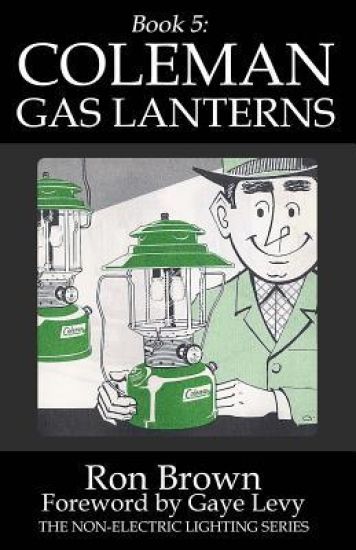
Book 5: Coleman Gas Lanterns

Book 5: Coleman Gas Lanterns

Ron Brown

Rc Publishing
2015
nidottu
★★★ Reader Feedback: Yabadabadoo Read it from cover to cover upon receipt. Great info, perspective, and writing style. - Brian Swift ● Coleman Gas Lanterns is Book 5 of our Non-Electric Lighting Series. At this point, we've gone through candles and olive oil lamps and kerosene wick-type lamps and we've arrived at Book 5 - Coleman Gas Lanterns. Translation: It's time to hop off the porch and hitch up your big-boy pants. ★★★ Reader Feedback: If you collect or use semi-vintage Coleman lanterns you want this book. So much of the information was new to me even after 40 years of using them. The information on fuels other than Coleman-brand naphtha (white gas) is worth many times the price. - Reasonable Rascal ● Coleman Gas Lanterns contains 11,500 words, 67 B&W illustrations, and is 70 pages long. It's available in Kindle eBook format as well as paper. ★★★ Reader Feedback: A very good, informative book . . . I'm glad I bought it. - Todd Benson ● Pressure lanterns, though not as convenient as throwing a wall switch, will produce light on par with electric. ● Do you know the difference between Coleman Quick-Lite and Coleman Instant-Lite? You probably should if you're into prepping. It's nice to speak the language. It's nice to go to a flea market and know what you're looking at. ● Do the newer Coleman Dual Fuel lanterns really burn automobile gas like the ads say? This book has some first-hand test results. Plus recommendations about what to buy and what to avoid. ● And this book has an excellent section on carbon monoxide. YouTube has both good info and bad on carbon monoxide. But do you know which is which? Wouldn't it be nice to REALLY understand it? Well, the opportunity is at hand. ★★★ Reader Feedback: Best book I've read on gasoline pressure lanterns . . . I think you'll be pleasantly surprised by all the good information in it. - totallyfrozen ★★★ Reader Feedback: Great . . . Gave as gift and they loved it. - Amazon Customer ● This is an 8-book series. The quickest way to see the other titles is 1] to click on the Follow the Author link elsewhere on this page. Or 2] if you're not in Amazon as you read this, copy-and-paste "the non-electric lighting series" (include the quote marks) into the Google search bar.
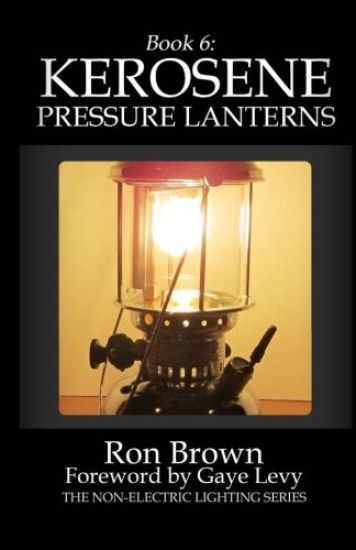
Book 6: Kerosene Pressure Lanterns

Book 6: Kerosene Pressure Lanterns

Ron Brown

Rc Publishing
2015
nidottu
★★★ Reader Feedback: I learned more about kerosene pressure lanterns in 30 minutes with this book than anyone ever told me and more than I'd learned in hours of watching YouTube . . . I highly recommend this book and the other books in the series. - totallyfrozen ● Kerosene Pressure Lanterns is Book 6 of our Non-Electric Lighting Series. Lanterns that use mantles produce light on par with electric lights. And KEROSENE mantle lanterns have an advantage over Coleman-fuel lamps in that kerosene is more generic, more widely available. ● The book has four main sections - (1) It describes six different Coleman models, old and new, made specifically for kerosene. Collector items (expensive) and orphans (no spare parts) are ignored. The emphasis is on practical, day-to-day lighting. (2) It gives the specifics on converting nine different Coleman gas lanterns to kerosene (what generator to use, etc.). (3) It explains Petromax lanterns, a pre-World War II German design. Today, world-wide, there are actually more Petromax lanterns (and Petromax clones) in existence than Coleman. (4) And it explains Aladdin lamps, kerosene lamps that use a mantle but are not pressurized. Aladdins are over a hundred years old and a new model was recently introduced - the first new model in 50 years ● Kerosene Pressure Lanterns contains 25,000 words, 168 B7W illustrations, and is 155 pages long. It's available in Kindle eBook format as well as paper. ● AND - oh yes - this book identifies eleven different lantern models that, given the right generator-mantle combo, will operate on diesel fuel. That alone is worth the price of admission ● If you picture yourself being forced to live off-grid for an extended period of time, then THIS is the book you need. You don't have to cook supper or fix the car or deliver a baby by the light of a candle. You can have light equivalent to a 50 or 100 or 200 or 300-watt electric bulb. Pressurized kerosene lanterns come from another day and age but are known, established, reliable technology. This book is not artsy-fartsy. It's nitty-gritty. ★★★ Reader Feedback: I have owned several kerosene mantle lamps over the last 40 years . . . if you are interested in kerosene mantle lamps], then I don't know of a better source of information. - PLM ● This is an 8-book series. The quickest way to see the other titles is 1] to click on the Follow the Author link elsewhere on this page. Or 2] if you're not in Amazon as you read this, copy-and-paste "the non-electric lighting series" (include the quote marks) into the Google search bar.
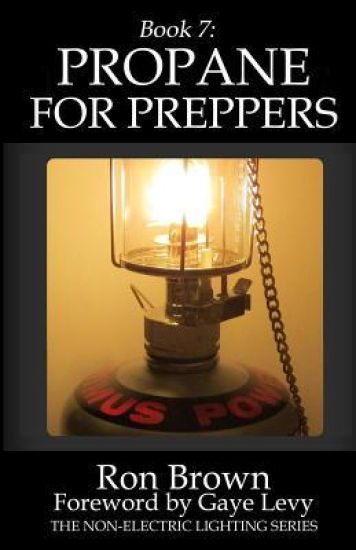
Book 7: Propane for Preppers

Book 7: Propane for Preppers

Ron Brown

Rc Publishing
2015
nidottu
★★★ Reader Feedback: Outstanding article One of the BEST, I've ever read or seen on any preparedness website. Well Done (and thank you ) - TPS ● Propane for Preppers is Book 7 of our Non-Electric Lighting Series. Much of the material in Book 7 came from a 5-part series of articles in the blog Backdoor Survival. Hence the reader's above-quoted mention of "article." ● Lanterns that use mantles produce light on par with electric light bulbs. And PROPANE mantle lanterns have advantages over liquid-fueled lanterns. ● For one thing, propane does not degrade in storage. You can store it for fifty years. It's still the same stuff. Hook it up and it works. What other petroleum-based fuel can you say that about? ● And propane is convenient compared to liquid fuels. No messy spills. No stinky rags. Certainly that's worth something. ● This book covers safety (from crystal meth to carbon monoxide); step-by-step refilling of one-pounders from 20-pound BBQ tanks (with the emphasis on SAFETY); long-term storage of one-pounders; and many real-life comments & words of advice from readers who saw the original article series. ● Propane for Preppers contains 23,000 words, 45 B&W illustrations, and is 116 pages long. It's available in Kindle eBook format as well as paper. ● This is an 8-book series. The quickest way to see the other titles is 1] to click on the Follow the Author link elsewhere on this page. Or 2] if you're not in Amazon as you read this, copy-and-paste "the non-electric lighting series" (including the quote marks) into the Google search bar.
Book 8: Alcohol Mantle Lamps

Book 8: Alcohol Mantle Lamps

Ron Brown

Rc Publishing
2016
nidottu
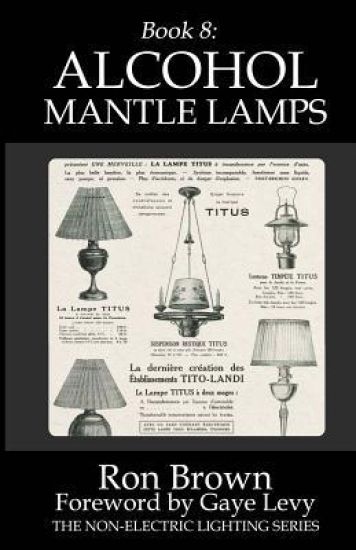
★★★ Reader Feedback: Best in the series. Rare and stellar information. - John Decatur ● Alcohol Mantle Lamps is Book 8 of our Non-Electric Lighting Series. Unfortunately, when we get to "alcohol lamps," the term conjures up a vision of a lab-type lamp with a small wick and almost invisible flame. Alcohol MANTLE lamps, the subject of this book, are a different animal altogether. Lanterns that use mantles produce light on par with electric light bulbs. ● In France, Tito-Landi (brand) alcohol-burning mantle lamps (producing 100+ watts-worth of light) were produced from before World War One until the 1970's. There was nothing comparable in the USA. We lived in the shadow of Standard Oil and General Motors. ● As a lamp fuel, alcohol has some advantages over petroleum-based fuels. ● For one thing, alcohol does not degrade in storage. For another, alcohol produces less carbon monoxide than ANY petroleum-based fuel making it a better choice for indoor use. Third, in an emergency situation, alcohol (as lamp fuel) can supply a solution that most people are not aware even exists. You can pick up some 91% rubbing alcohol while others are searching for propane cylinders. (Although you do need the appropriate lantern. You cannot just dump alcohol in your Coleman and burn it.) ● Lastly, alcohol is perhaps the ultimate survival fuel. In Europe, World War Two saw many restrictions on petroleum products. So farmers made what was essentially high-proof moonshine and burned it in their lanterns. Primus (a Swedish brand of lantern similar to Coleman) even introduced a lineup of alcohol-burning models. ● Unfortunately, Primus alcohol-burning lanterns are expensive collectibles today. On the upside, this book shows how to convert three relatively common gas-burning mantle lanterns to alcohol. ● This is hard info to come by in the USA. I was in contact with several European collectors while writing this book. It's info that, at the very least, you should have tucked away for future reference. Are you interested in prepping? This is prepping. ● Alcohol Mantle Lamps contains 11,000 words, 85 B&W illustrations, and is 87 pages long. It's available in Kindle eBook format as well as paper. ● This is an 8-book series. The quickest way to see the other titles is 1] to click on the Follow the Author link elsewhere on this page. Or 2] if you're not in Amazon as you read this, copy-and-paste "the non-electric lighting series" (including the quote marks) into the Google search bar.
Rails Across the Prairies

Rails Across the Prairies

Ron Brown

Dundurn Group Ltd
2012
pokkari
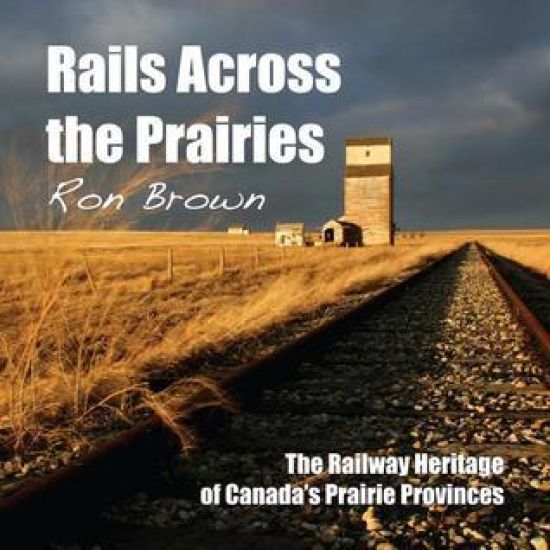
Follow the evolution of the rail legacy of the Canadian Prairies from the arrival of the first engine on a barge to today’s realities. Rails Across the Prairies traces the evolution of Canada’s rail network, including the appearance of the first steam engine on the back of a barge. The book looks at the arrival of European settlers before the railway and examines how they coped by using ferry services on the Assiniboine and North Saskatchewan Rivers. The work then follows the building of the railways, the rivalries of their owners, and the unusual irrigation works of Canadian Pacific Railway. The towns were nearly all the creation of the railways from their layout to their often unusual names.Eventually, the rail lines declined, though many are experiencing a limited revival. Learn what the heritage lover can still see of the Prairies’ railway legacy, including existing rail operations and the stories the railways brought with them. Many landmarks lie vacant, including ghost towns and elevators, while many others survive as museums or interpretative sites.
Rails Across Ontario

Rails Across Ontario

Ron Brown

Dundurn Group Ltd
2013
pokkari
Explore Ontario’s rich railway heritage — from stations and hotels to train rides, bridges, water towers, and roundhouses. Rails Across Ontario will take the reader back to a time when the railway ruled the economy and the landscape.Read about historic stations, railway museums, heritage train rides, and historic bridges. Follow old rail lines along Ontario’s most popular rail trails. Find out where steam engines still puff across farm fields and where historic train coaches lead deep into the wilds of Ontario’s scenic north country. Discover long forgotten but once vital railway structures, such as roundhouses, coal docks, and water towers. Learn about regular VIA Rail routes that follow some of the province’s oldest rail lines and pass some of its most historic stations, including one that has operated continuously since 1857.
The Train Doesn't Stop Here Anymore

The Train Doesn't Stop Here Anymore

Ron Brown

Dundurn Group Ltd
2014
pokkari
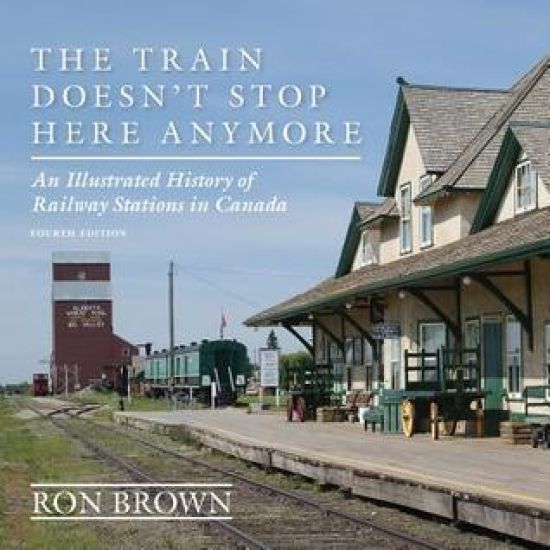
Brown celebrates the survival of our railway heritage in stations that have been saved or remain in use. Despite the "green" benefits of rail travel, Canada has lost much of its railway heritage. Across the country stations have been bulldozed and rails ripped up. Once the heart of communities large and small, stations and tracks have left little more than a gaping hole in Canada’s landscapes. This book revisits the times when railways were the country’s economic lifelines, and the station the social centre. Here was where we worked, played, listened to political speeches, or simply said goodbye to loved ones. The landscapes that grew around the station are also explored and include such forgotten features as station hotels, restaurants, gardens, and the once-common railway YMCA. Railway companies often hired the world’s leading architects to design grand station buildings that ranged in style from chateauesque to art deco. Even small-town stations and wayside shelters displayed an artistic flare and elegance. Although most have vanished, the book celebrates the survival of that heritage in stations that have been saved or remain in use. The book will appeal to anyone who has links with our rail era, or who simply appreciates the value of Canada’s built heritage.
Rails to the Atlantic

Rails to the Atlantic

Ron Brown

Dundurn Group Ltd
2015
pokkari
Follow Rails to the Atlantic through eastern Canada’s railway heritage. Visit preserved railway stations in various states of use, or take in the architecture of the grand era of station building in Quebec City, Halifax, and St. John’s. Board scenic railway excursions on the Orford Express or Le Train du Massif de Charlevoix, or travel to VIA Rail's destinations in remote northern Quebec. Rail trails lead through the Laurentian mountains and Quebec’s Eastern Townships. Museums exhibit Newfoundland’s colourful railway heritage, while Canada’s largest railway equipment display lies near Montreal. Magnificent railway hotels include the Fairmont Le Château Montebello and the Algonquin Resort, as well as the stunning Chateau-style station hotel at McAdam, New Brunswick. Often forgotten are the railway bridges and trestles, stunning feats of engineering that stretch across wide valleys and churning rivers, the construction of which sometimes led to deadly consequences. Lesser-known attractions, such as roundhouses and employee housing, are profiled to help bring the railway era back to life.
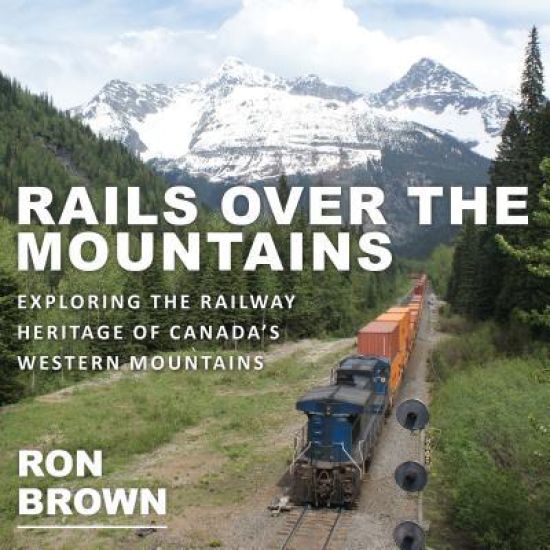
Rails Over the Mountains

Rails Over the Mountains

Ron Brown

Dundurn Group Ltd
2016
pokkari
Journey through the engineering marvels, stations, and heritage sites of Canada’s western mountains. Ride the rails through Canada’s western mountains to explore the many vestiges of the region’s spectacular and surprising railway heritage. Here is where grand railway hotels were built to attract tourists to the West’s beautiful scenery and bring profit to the railway lines as well. Rustic stations added to the allure. The challenges of conquering the mountains resulted in some of Canada’s most ingenious feats of engineering, such as spiral tunnels and soaring trestles (one of which was featured in The Amazing Race Canada). Relive the days of rail on a steam train, the luxurious Rocky Mountaineer, or one of VIA Rail’s mountain journeys. Outdoor enthusiasts can follow the abandoned roadbeds of Canada’s more spectacular rail trails, like the legendary Kettle Valley Railway. Also included are some of Canada’s most extensive railway museums, which have helped to bring this vanished era back to life.