
Kirjahaku
Etsi kirjoja tekijän nimen, kirjan nimen tai ISBN:n perusteella.
15 kirjaa tekijältä Ron Owens
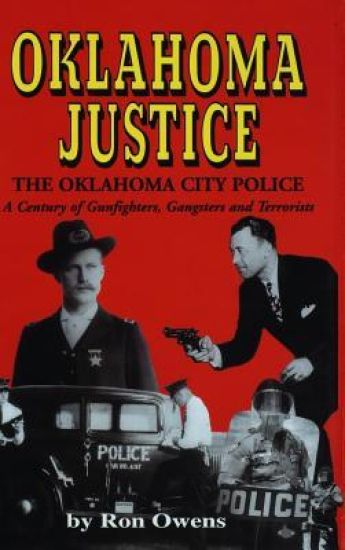
This book is about Oklahoma City, its primary law enforcers and their agency. It is about the controls they have exerted, tried to exert or failed to exert over each other for the last century. It is also about the birth and growth of a town, a city and a state. It's also about Fairlawn and how it became a cemetery...and how it became full.
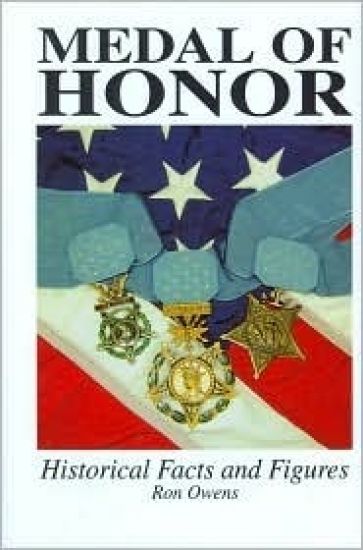
This book takes offers a new perspective on the Medal of Honor, examining the historical facts and figures of its recipients. Provided within is a top-level view of this group in its entirety, taking a new perspective, as it analyzes and summarizes the historical facts in stunning detail.
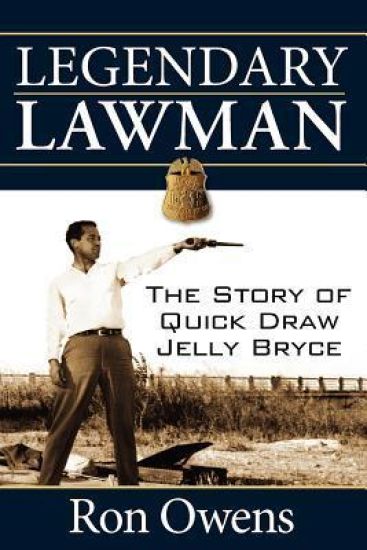
Largely unknown except in a few law enforcement circles, Jelly Bryce was at the forefront of the conflict during America’s gangster era. As an Oklahoma State Game Ranger, Oklahoma City Police Detective, and FBI Agent for over 30 years, Bryce was the man responsible for creating the FBI’s first firearms training program, developing their concealed holster and their fast-draw techniques, and personally training hundreds of their agents. Hired by the FBI without any college, he was involved in 19 shootings in the line of duty and was electronically timed at two-fifths of a second to draw and fire accurately. It was said if a criminal blinked at Jelly Bryce, he died in darkness. If you ever wondered who the anonymous men with badges and guns were who really lived the lives depicted in the movies and on television, this is the story of one of those unique men.



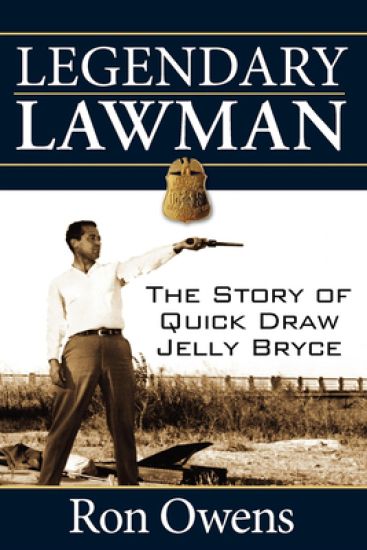
Largely unknown except in a few law enforcement circles, Jelly Bryce was at the forefront of the conflict during America’s gangster era. As an Oklahoma State Game Ranger, Oklahoma City Police Detective, and FBI Agent for over 30 years, Bryce was the man responsible for creating the FBI’s first firearms training program, developing their concealed holster and their fast-draw techniques, and personally training hundreds of their agents. Hired by the FBI without any college, he was involved in 19 shootings in the line of duty and was electronically timed at two-fifths of a second to draw and fire accurately. It was said if a criminal blinked at Jelly Bryce, he died in darkness. If you ever wondered who the anonymous men with badges and guns were who really lived the lives depicted in the movies and on television, this is the story of one of those unique men.
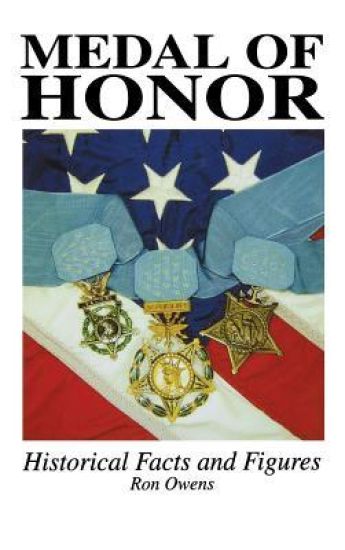
This book takes offers a new perspective on the Medal of Honor, examining the historical facts and figures of its recipients. Provided within is a top-level view of this group in its entirety, taking a new perspective, as it analyzes and summarizes the historical facts in stunning detail.
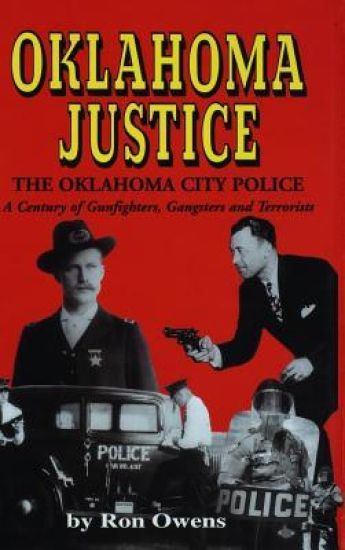
This book is about Oklahoma City, its primary law enforcers and their agency. It is about the controls they have exerted, tried to exert or failed to exert over each other for the last century. It is also about the birth and growth of a town, a city and a state. It's also about Fairlawn and how it became a cemetery...and how it became full.
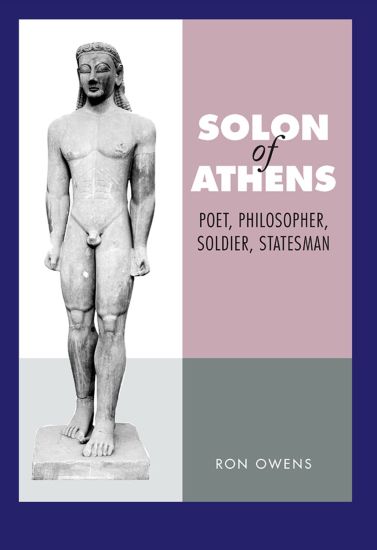
This book addresses the historical, social and political contexts within which Solon of Athens instituted wide-ranging reforms to the Athenian constitution (594-93 BCE), the impact of those reforms on the growing political self-awareness of the archaic Athenians themselves, and the developing ethical and political philosophies that drove reform. It also provides, for the first time in 90 years, a detailed and comprehensive commentary on each of the 43 extant fragments of Solon's poetry. In the light of modern scholarship, Ron Owens sets out the story of Solon's life, and examines the nature of the entrenched and threatening political and economic crisis which led to his appointment to high political office; he discusses the manner and consequences of his appointment; seeks to identify both the underlying causes of the crisis and the general outlines of the reform measures adopted by Solon; and explores both the philosophy and the concept of justice' that appears to have underpinned his reform agenda. The work fills a significant gap in archaic Greek scholarship, both nationally and in the wider academic world, in terms of historical analysis, political development and the beginnings of philosophy in the Greek archaic period generally, and at Athens in particular. Solon was an historical figure of great significance, quoted by some 115 classical and post-classical authors, yet in terms of recent scholarship no one since Woodhouse (1938) has written exclusively on him and not since Linforth (1919) has there been a commentary on each individual fragment of Solon's poetry. While recent scholarship has emphasised particular aspects of Solon's works, or particular developments at Athens in which Solon is said to have played a part, this book sets out in full his political and social achievements in the context of the philosophical underpinnings that appear to have privileged the socio-political changes initiated by Solon.