

Kirjahaku
Etsi kirjoja tekijän nimen, kirjan nimen tai ISBN:n perusteella.
55 kirjaa tekijältä Ron Williams

ABOUT THESE SERIES ....But after that, I realised that I knew very little about these parents of mine. They had been born about the start of the Twentieth Century, and they died in 1970 and 1980. For their last 50 years, I was old enough to speak with a bit of sense.I could have talked to them a lot about their lives. I could have found out about the times they lived in. But I did not. I know almost nothing about them really. Their courtship? Working in the pits? The Lock-out in the Depression? Losing their second child? Being dusted as a miner? The shootings at Rothbury? My uncles killed in the War? Love on the dole? There were hundreds, thousands of questions that I would now like to ask them. But, alas, I can't. It's too late.Thus, prompted by my guilt, I resolved to write these books. They describe happenings that affected people, real people. The whole series is, to coin a modern phrase, designed to push your buttons, to make you remember and wonder at things forgotten. The books might just let nostalgia see the light of day, so that oldies and youngies will talk about the past and re-discover a heritage otherwise forgotten. Hopefully, they will spark discussions between generations, and foster the asking and answering of questions that should not remain unanswered.
. ....But after that, I realised that I knew very little about these parents of mine. They had been born about the start of the Twentieth Century, and they died in 1970 and 1980. For their last 50 years, I was old enough to speak with a bit of sense.I could have talked to them a lot about their lives. I could have found out about the times they lived in. But I did not. I know almost nothing about them really. Their courtship? Working in the pits? The Lock-out in the Depression? Losing their second child? Being dusted as a miner? The shootings at Rothbury? My uncles killed in the War? Love on the dole? There were hundreds, thousands of questions that I would now like to ask them. But, alas, I can't. It's too late.Thus, prompted by my guilt, I resolved to write these books. They describe happenings that affected people, real people. The whole series is, to coin a modern phrase, designed to push your buttons, to make you remember and wonder at things forgotten. The books might just let nostalgia see the light of day, so that oldies and youngies will talk about the past and re-discover a heritage otherwise forgotten. Hopefully, they will spark discussions between generations, and foster the asking and answering of questions that should not remain unanswered.

1972. It was "Time" for a change in Federal Government as Whitlam brought Labor back from the dead, and in our relations with China. Number 96 won the TV credits, women got equal pay for equal work, and call-up of Nashos ended. Israelis were killed at the Munich Olympic Games. Plan hijackers were now being shot overseas, and car seat belts were an issue at home.....But after that, I realised that I knew very little about these parents of mine. They had been born about the start of the Twentieth Century, and they died in 1970 and 1980. For their last 50 years, I was old enough to speak with a bit of sense.I could have talked to them a lot about their lives. I could have found out about the times they lived in. But I did not. I know almost nothing about them really. Their courtship? Working in the pits? The Lock-out in the Depression? Losing their second child? Being dusted as a miner? The shootings at Rothbury? My uncles killed in the War? Love on the dole? There were hundreds, thousands of questions that I would now like to ask them. But, alas, I can't. It's too late.Thus, prompted by my guilt, I resolved to write these books. They describe happenings that affected people, real people. The whole series is, to coin a modern phrase, designed to push your buttons, to make you remember and wonder at things forgotten. The books might just let nostalgia see the light of day, so that oldies and youngies will talk about the past and re-discover a heritage otherwise forgotten. Hopefully, they will spark discussions between generations, and foster the asking and answering of questions that should not remain unanswered.


. ....But after that, I realised that I knew very little about these parents of mine. They had been born about the start of the Twentieth Century, and they died in 1970 and 1980. For their last 50 years, I was old enough to speak with a bit of sense.I could have talked to them a lot about their lives. I could have found out about the times they lived in. But I did not. I know almost nothing about them really. Their courtship? Working in the pits? The Lock-out in the Depression? Losing their second child? Being dusted as a miner? The shootings at Rothbury? My uncles killed in the War? Love on the dole? There were hundreds, thousands of questions that I would now like to ask them. But, alas, I can't. It's too late.Thus, prompted by my guilt, I resolved to write these books. They describe happenings that affected people, real people. The whole series is, to coin a modern phrase, designed to push your buttons, to make you remember and wonder at things forgotten. The books might just let nostalgia see the light of day, so that oldies and youngies will talk about the past and re-discover a heritage otherwise forgotten. Hopefully, they will spark discussions between generations, and foster the asking and answering of questions that should not remain unanswered.
ABOUT THESE SERIES ....But after that, I realised that I knew very little about these parents of mine. They had been born about the start of the Twentieth Century, and they died in 1970 and 1980. For their last 50 years, I was old enough to speak with a bit of sense.I could have talked to them a lot about their lives. I could have found out about the times they lived in. But I did not. I know almost nothing about them really. Their courtship? Working in the pits? The Lock-out in the Depression? Losing their second child? Being dusted as a miner? The shootings at Rothbury? My uncles killed in the War? Love on the dole? There were hundreds, thousands of questions that I would now like to ask them. But, alas, I can't. It's too late.Thus, prompted by my guilt, I resolved to write these books. They describe happenings that affected people, real people. The whole series is, to coin a modern phrase, designed to push your buttons, to make you remember and wonder at things forgotten. The books might just let nostalgia see the light of day, so that oldies and youngies will talk about the past and re-discover a heritage otherwise forgotten. Hopefully, they will spark discussions between generations, and foster the asking and answering of questions that should not remain unanswered.In 1958, the Christian brothers bought a pub and raffled it; some clergy thought that Christ would not be pleased. Circuses were losing animals at a great rate. Officials were in hot water because the Queen Mother wasn't given a sun shade; it didn't worry the lined-up school children, they just fainted as normal. School milk was hot news, bread home deliveries were under fire. The RSPCA was killing dogs in a gas chamber. A tribe pointed the bone at Albert Namatjira; he died soon after.
I was five years old when the War started. Almost eighty years later, my memories of the next seven years were all over the place. I still recall Dunkirk and Tobruk, Hitler and Chamberlain and Mussolini and Uncle Joe, the air raid shelters, and gas masks, and searchlights and the tank traps on the beach. I could even remember the very short shirt tails that a perceptive Government decreed were necessary to win the War, But it was all a jumble to me. If you asked me to give a coherent record of the seven years, I could not have even started. So, I decided to sort it all out, by researching and writing this series.This is the first in the Series. It covers the major events and ideas and some of the trivia of that year. Much of our Australia news in those days emanated from the War, so that each Chapter starts with the War scene. Then it drifts to military and politics, and ends with social matters and politics. But overall, the emphasis is on those OZ social issues, and how the War was affecting families in their everyday environment.I find there is intense interest in the War years. This is not just confined to the oldies who lived through those years, but it extends to younger generations who wonder at the amazing pace of life, and the enormity of the unfolding events, and the depth of heroism and courage almost beyond belief.

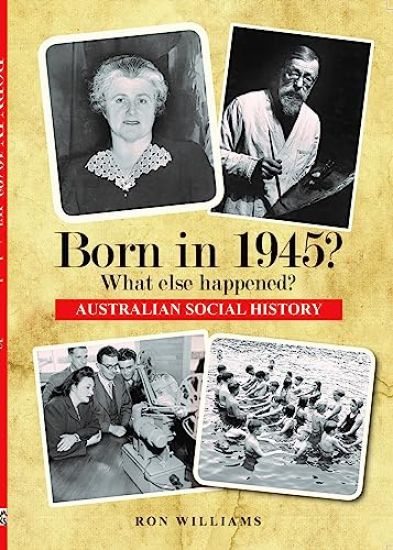
This is the 1st Title in a series of 31 books that stretch from 1939 to 1969. It talks about the Social History in that period, and how Australians in their backyards reacted to the rapidly-changing world about them. Taken from our newspapers day-by-day, each book picks out the best stories and ideas and trivia for the year.
This Title is the11th in a series of 31 Year-books that detail the Social History of Australia in the 31 years 1939 to 1969. The book describes how the population felt as the excitements and changes of those years developed. Easy to read, no tables or stats. Just emotions and ideas. Great for birthdays and Christmas for families and friends.
This Title is the 21st in a series of 30 Year-books that detail the Social History of Australia in the 30 years 1939 to 1968. The book describes how the population felt as the excitements and changes of those years developed. Easy to read, no tables of stats. Just emotions and ideas. Great for birthdays and Christmas for families and friends.
g 201 now but their counters never work so i will do more. try thisblurb plnty of blurb. come back to start. must get to 200 characters. keep going i might not yes you will only 77 to go and that seems to be decreasing i do not know how but it is workinh
ABOUT THESE SERIES ....But after that, I realised that I knew very little about these parents of mine. They had been born about the start of the Twentieth Century, and they died in 1970 and 1980. For their last 50 years, I was old enough to speak with a bit of sense.I could have talked to them a lot about their lives. I could have found out about the times they lived in. But I did not. I know almost nothing about them really. Their courtship? Working in the pits? The Lock-out in the Depression? Losing their second child? Being dusted as a miner? The shootings at Rothbury? My uncles killed in the War? Love on the dole? There were hundreds, thousands of questions that I would now like to ask them. But, alas, I can't. It's too late.Thus, prompted by my guilt, I resolved to write these books. They describe happenings that affected people, real people. The whole series is, to coin a modern phrase, designed to push your buttons, to make you remember and wonder at things forgotten. The books might just let nostalgia see the light of day, so that oldies and youngies will talk about the past and re-discover a heritage otherwise forgotten. Hopefully, they will spark discussions between generations, and foster the asking and answering of questions that should not remain unanswered.
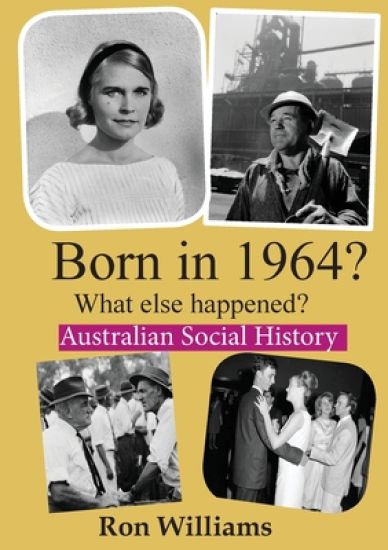
.... But after that, I realised that I knew very little about these parents of mine. They had been born about the start of the Twentieth Century, and they died in 1970 and 1980. For their last 50 years, I was old enough to speak with a bit of sense. I could have talked to them a lot about their lives. I could have found out about the times they lived in. But I did not. I know almost nothing about them really. Their courtship? Working in the pits? The Lock-out in the Depression? Losing their second child? Being dusted as a miner? The shootings at Rothbury? My uncles killed in the War? Love on the dole? There were hundreds, thousands of questions that I would now like to ask them. But, alas, I can't. It's too late. Thus, prompted by my guilt, I resolved to write these books. They describe happenings that affected people, real people. The whole series is, to coin a modern phrase, designed to push your buttons, to make you remember and wonder at things forgotten. The books might just let nostalgia see the light of day, so that oldies and youngies will talk about the past and re-discover a heritage otherwise forgotten. Hopefully, they will spark discussions between generations, and foster the asking and answering of questions that should not remain unanswered. In 1964. HMAS Voyager, an Australian destroyer, was sunk in a collision with the air-craft carrier, Melbourne. Stamp collecting was disappearing as a hobby, wine was no longer plonk, and mothers were waging war on old-fashioned tuck-shops. (God bless them. The tuck-shops, not the mothers). The Beatle cult was angering some people. The Tab: to be on not to be? Can true Reds get fat? Did Billie Graham have lasting effects? Prostitution was proposed as a safety valve against rape. Judy Garland got bad Press in Melbourne and left Oz in a sulk.


Then, . ....But after that, I realised that I knew very little about these parents of mine. They had been born about the start of the Twentieth Century, and they died in 1970 and 1980. For their last 50 years, I was old enough to speak with a bit of sense.I could have talked to them a lot about their lives. I could have found out about the times they lived in. But I did not. I know almost nothing about them really. Their courtship? Working in the pits? The Lock-out in the Depression? Losing their second child? Being dusted as a miner? The shootings at Rothbury? My uncles killed in the War? Love on the dole? There were hundreds, thousands of questions that I would now like to ask them. But, alas, I can't. It's too late.Thus, prompted by my guilt, I resolved to write these books. They describe happenings that affected people, real people. The whole series is, to coin a modern phrase, designed to push your buttons, to make you remember and wonder at things forgotten. The books might just let nostalgia see the light of day, so that oldies and youngies will talk about the past and re-discover a heritage otherwise forgotten. Hopefully, they will spark discussions between generations, and foster the asking and answering of questions that should not remain unanswered.



.In 1950, Dugan and Mears used a hacksaw to break out of gaol, robbed banks, shot people and went back to gaol. The War finished five years ago, so it was time to stop petrol rationing. War criminals were hanging out at Nuremberg. Dancing pumps were tripping the light fantastic at The Plaza. Whaling in Australia was big; square dancing was bigger. The US started a war in Korea, and we went along with them. Uranium was found in Australia, but Menzies could not join the Atom Club he craver to enter. The Sara Quads were born.I was born in 1934, so that I can remember well a great deal of what went on around me from 1939 onwards. But of course, the bulk of this book's material came from research. That meant that I spent many hours in front of a computer reading electronic versions of newspapers, magazines, Hansard, Ministers' Press releases and the like. My task was to sift out, day-by-day, those stories and events that would be of interest to the most readers. Then I supplemented these with materials from books, broadcasts, memoirs, biographies, government reports and statistics. And I talked to old-timers, one-on-one, and in organised groups, and to Baby Boomers about their recollections. People with stories to tell came out of the woodwork, and talked no end about the tragic, and funny, and commonplace events that have shaped their lives.I think I have covered most of the major issues that people then were interested in. On the other hand, in some cases I have dwelt a little on minor frivolous matters, perhaps to the detriment of more sober considerations. Still, in the long run, this makes the book more readable, and hopefully it will convey adequately the spirit of the times. Overall, I expect I can make you wonder, remember, rage and giggle, and I hope that you and your family will find some comfort in the realisation that no matter how new and novel a current situation is to you, it has all happened often before.