Kirjojen hintavertailu. Mukana 11 627 425 kirjaa ja 12 kauppaa.

Kirjahaku

Etsi kirjoja tekijän nimen, kirjan nimen tai ISBN:n perusteella.

4 kirjaa tekijältä Ronald Schuchard

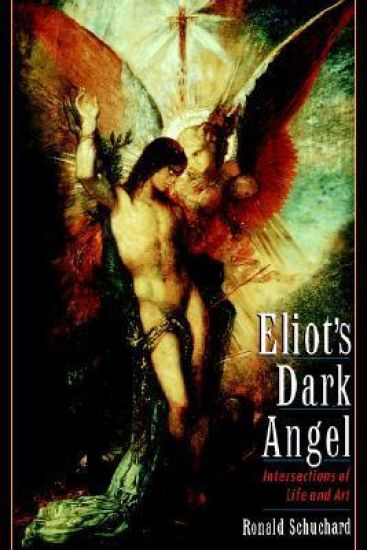
Eliot's Dark Angel

Eliot's Dark Angel

Ronald Schuchard

Oxford University Press Inc
1999
sidottu
Schuchard's critical study draws upon previously unpublished and uncollected materials in showing how T.S. Eliot's personal voice works through the sordid, the bawdy, the blasphemous, and the horrific to create a unique moral world and the only theory of moral criticism in English literature. The book also erodes conventional attitudes toward Eliot's intellectual and spiritual development, showing how early and consistently his classical and religious sensibility manifests itself in his poetry and criticism. The book examines his reading, his teaching, his bawdy poems, and his life-long attraction to music halls and other modes of popular culture to show the complex relation between intellectual biography and art.
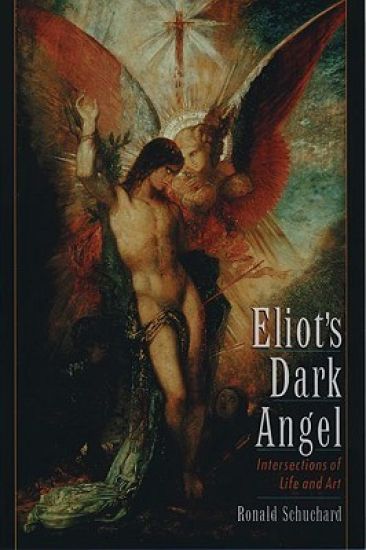
Eliot's Dark Angel

Eliot's Dark Angel

Ronald Schuchard

Oxford University Press Inc
2001
nidottu
Schuchard's critical study draws upon previously unpublished and uncollected materials in showing how Eliot's personal voice works through the sordid, the bawdy, the blasphemous, and the horrific to create a unique moral world and the only theory of moral criticism in English literature. The book also erodes conventional attitudes toward Eliot's intellectual and spiritual development, showing how early and consistently his classical and religious sensibility manifests itself in his poetry and criticism. The book examines his reading, his teaching, his bawdy poems, and his life-long attraction to music halls and other modes of popular culture to show the complex relation between intellectual biography and art.
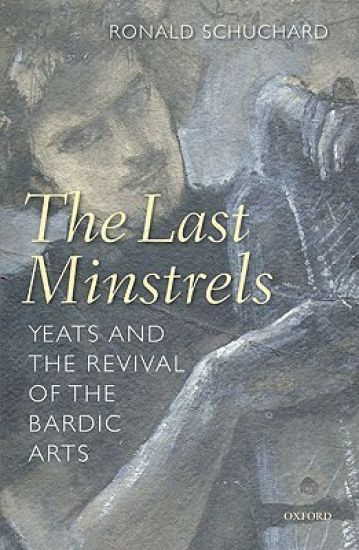
The Last Minstrels

The Last Minstrels

Ronald Schuchard

Oxford University Press
2008
sidottu
Recovering a lost literary movement that was the most consuming preoccupation of W. B. Yeats's literary life and the most integral to his poetry and drama, Ronald Schuchard's The Last Minstrels provides an historical, biographical, and critical reconstruction of the poet's lifelong attempt to restore an oral tradition by reviving the bardic arts of chanting and musical speech. From the beginning of his career Yeats was determined to return the 'living voice' of the poet from exile to the centre of culture - on its platforms, stages, and streets - thereby establishing a spiritual democracy in the arts for the non-reading as well as the reading public. Schuchard's study enhances our understanding of Yeats's cultural nationalism, his aims for the Abbey Theatre, and his dynamic place in a complex of interrelated arts in London and Dublin. With a wealth of new archival materials, the narrative intervenes in literary history to show the attempts of Yeats and Florence Farr to take the 'new art' of chanting to Great Britain, America, and Europe, and it reveals for the first time the influence of their auditory poetics on the visual paradigm of the Imagists. The penultimate chapter examines the adjustments Yeats made for his movement during the war, including chanting and other adaptations from Noh drama for his dance plays and choruses, until the practice of his 'unfashionable art' became dormant in the 1920s before the restless rise of realism. The final chapter resurrects his heroic effort in the 1930s to reunite poetry and music and reconstitute his dream of a spiritual democracy through the medium of public broadcasting.
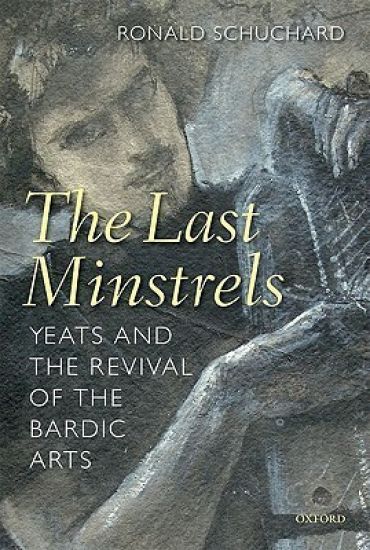
The Last Minstrels

The Last Minstrels

Ronald Schuchard

Oxford University Press
2010
nidottu
Recovering a lost literary movement that was the most consuming preoccupation of W. B. Yeats's literary life and the most integral to his poetry and drama, Ronald Schuchard's The Last Minstrels provides an historical, biographical, and critical reconstruction of the poet's lifelong attempt to restore an oral tradition by reviving the bardic arts of chanting and musical speech. From the beginning of his career Yeats was determined to return the 'living voice' of the poet from exile to the centre of culture - on its platforms, stages, and streets - thereby establishing a spiritual democracy in the arts for the non-reading as well as the reading public. Schuchard's study enhances our understanding of Yeats's cultural nationalism, his aims for the Abbey Theatre, and his dynamic place in a complex of interrelated arts in London and Dublin. With a wealth of new archival materials, the narrative intervenes in literary history to show the attempts of Yeats and Florence Farr to take the 'new art' of chanting to Great Britain, America, and Europe, and it reveals for the first time the influence of their auditory poetics on the visual paradigm of the Imagists. The penultimate chapter examines the adjustments Yeats made for his movement during the war, including chanting and other adaptations from Noh drama for his dance plays and choruses, until the practice of his 'unfashionable art' became dormant in the 1920s before the restless rise of realism. The final chapter resurrects his heroic effort in the 1930s to reunite poetry and music and reconstitute his dream of a spiritual democracy through the medium of public broadcasting.