Kirjojen hintavertailu. Mukana 11 244 527 kirjaa ja 12 kauppaa.

Kirjahaku

Etsi kirjoja tekijän nimen, kirjan nimen tai ISBN:n perusteella.

2 kirjaa tekijältä Rupert C. Lewis

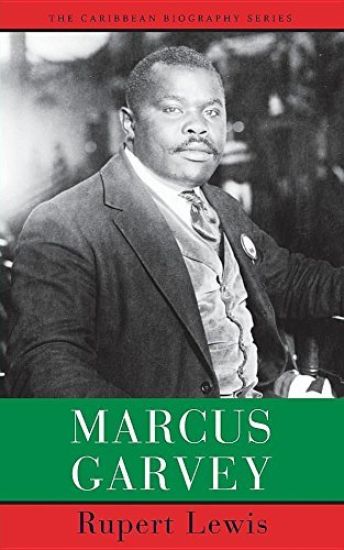
Marcus Garvey

Marcus Garvey

Rupert C. Lewis

University of the West Indies Press
2018
nidottu
This biography of Marcus Garvey documents the forging of his remarkable vision of pan-Africanism and highlights his organizational skills in framing a response to the radical global popular upsurge following the First World War (1914–1918). Central to Garvey's response was the development of organizations under the umbrella of the Universal Negro Improvement Association and African Communities League, which garnered the transnational support of several million members and sympathizers and challenged white supremacist practices and ideas. Garvey established the ideological pillars of twentieth century pan-Africanism in promoting self-determination and self-reliance for Africa's independence. Although Garvey travelled widely and lived abroad in New York and London, he spent his early years in Jamaica. Rupert Lewis traces how Garvey's Jamaican formation shaped his life and thought and how he combated the British colonial authorities as well as fought deep-rooted self-doubt and self-rejection among Jamaican black people. Garvey's much neglected political and cultural work at the local level is discussed as part of his project to stimulate self-determination in Africa and its diaspora.
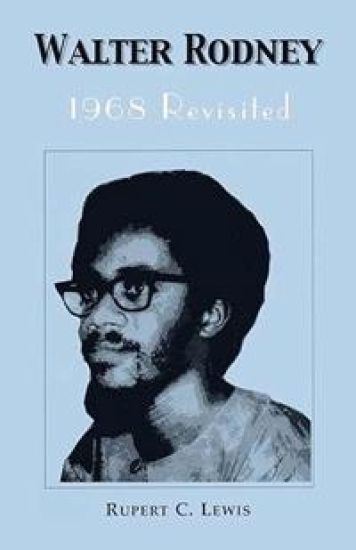
Walter Rodney

Walter Rodney

Rupert C. Lewis

University of the West Indies Press
1998
pokkari
Walter Rodney, a leading historian of Africa, a political activist and Caribbean intellectual before his untimely death in 1980, taught African History in Jamaica at the University of the West Indies Mona Campus in the late 1960s. Lewis’ article revisits Rodney’s political activism during this period within the context of pre-existing social movement among the urban poor and Rastafarian brethren. Rodney was expelled from the island in 1968 by the Jamaican government. Lewis argues that his expulsion was based on the fear that Rodney’s interactions with the urban poor and Rastafarian brethren could lead to the emergence of a radical political ideology which would pose a threat to the Jamaican political system and its power structure. This republication, along with Walter Rodney’s Intellectual and Political Thought (The Press UWI 1998), also by the same author, is timely as it marks the 30th anniversary of Rodney’s expulsion from Jamaica on 16 October 1968.