Kirjojen hintavertailu. Mukana 11 717 486 kirjaa ja 12 kauppaa.

Kirjahaku

Etsi kirjoja tekijän nimen, kirjan nimen tai ISBN:n perusteella.

4 kirjaa tekijältä Russil Durrant

An Introduction to Criminal Psychology
This book offers a clear, up-to-date, comprehensive, and theoretically informed introduction to criminal psychology, exploring how psychological explanations and approaches can be integrated with other perspectives drawn from evolutionary biology, neurobiology, sociology, and criminology. Drawing on examples from around the world, it considers different types of offences from violence and aggression to white-collar and transnational crime, and links approaches to explaining crime with efforts to prevent crime and to treat and rehabilitate offenders.This revised and expanded second edition offers a thorough update of the research literature and introduces several new features, including: detailed international case studies setting the scene for each chapter, promoting real-world understanding of the topics under consideration;a fuller range of crime types covered, with new chapters on property offending and white-collar, corporate, and environmental crime;detailed individual chapters exploring prevention and rehabilitation, previously covered in a single chapter in the first edition;an array of helpful features including learning objectives, review and reflect checkpoints, annotated lists of further reading, and two new features: ‘Research in Focus’ and ‘Criminal Psychology Through Film’.This textbook is essential reading for upper undergraduate students enrolled in courses on psychological criminology, criminal psychology, and the psychology of criminal behaviour. Designed with the reader in mind, student-friendly and innovative pedagogical features support the reader throughout.
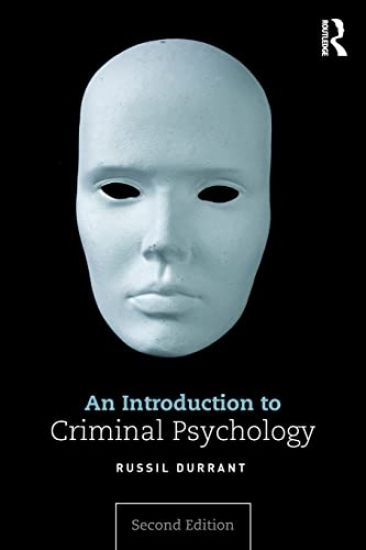
An Introduction to Criminal Psychology
This book offers a clear, up-to-date, comprehensive, and theoretically informed introduction to criminal psychology, exploring how psychological explanations and approaches can be integrated with other perspectives drawn from evolutionary biology, neurobiology, sociology, and criminology. Drawing on examples from around the world, it considers different types of offences from violence and aggression to white-collar and transnational crime, and links approaches to explaining crime with efforts to prevent crime and to treat and rehabilitate offenders.This revised and expanded second edition offers a thorough update of the research literature and introduces several new features, including: detailed international case studies setting the scene for each chapter, promoting real-world understanding of the topics under consideration;a fuller range of crime types covered, with new chapters on property offending and white-collar, corporate, and environmental crime;detailed individual chapters exploring prevention and rehabilitation, previously covered in a single chapter in the first edition;an array of helpful features including learning objectives, review and reflect checkpoints, annotated lists of further reading, and two new features: ‘Research in Focus’ and ‘Criminal Psychology Through Film’.This textbook is essential reading for upper undergraduate students enrolled in courses on psychological criminology, criminal psychology, and the psychology of criminal behaviour. Designed with the reader in mind, student-friendly and innovative pedagogical features support the reader throughout.
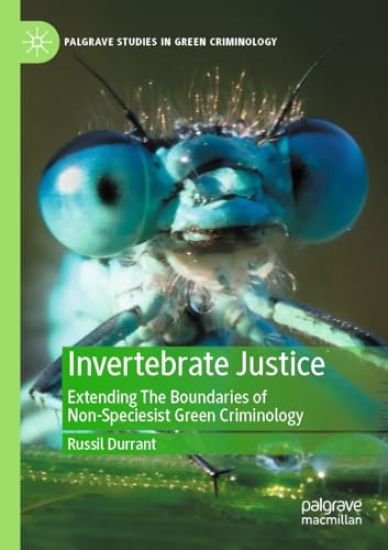
Invertebrate Justice

Invertebrate Justice

Russil Durrant

Springer International Publishing AG
2024
sidottu
Invertebrates are the neglected majority of the animal world. Even though they make up over 95% of animal life, they rarely feature in discussions of speciesism, animal ethics or species justice. This book aims to extend the work of non-speciesist criminologists to argue for the idea of ‘invertebrate justice’. Utilizing green criminologist Rob White’s (2013) eco-justice perspective, the book demonstrates how our interactions with invertebrate species (insects, crustaceans, molluscs and so forth) cause a significant amount of harm to those animals themselves (species justice), the ecosystems in which they are embedded (ecological justice), and ultimately to humans (environmental justice). Across three sections, it provides an overview of the ways in which humans and invertebrates interact across a diverse range of contexts and reviews the literature on both invertebrate biodiversity and invertebrate sentience; builds a theoretical framework that can help us understand what invertebrate justice might mean; and tackles the difficult question of how best we can promote invertebrate justice in the future. It appeals to academics, environmental scientists, activists and policymakers.
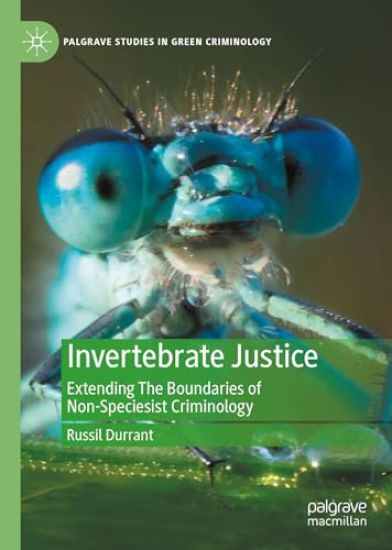
Invertebrate Justice

Invertebrate Justice

Russil Durrant

Springer International Publishing AG
2025
nidottu
Invertebrates are the neglected majority of the animal world. Even though they make up over 95% of animal life, they rarely feature in discussions of speciesism, animal ethics or species justice. This book aims to extend the work of non-speciesist criminologists to argue for the idea of 'invertebrate justice'. Utilizing green criminologist Rob White's (2013) eco-justice perspective, the book demonstrates how our interactions with invertebrate species (insects, crustaceans, molluscs and so forth) cause a significant amount of harm to those animals themselves (species justice), the ecosystems in which they are embedded (ecological justice), and ultimately to humans (environmental justice). Across three sections, it provides an overview of the ways in which humans and invertebrates interact across a diverse range of contexts and reviews the literature on both invertebrate biodiversity and invertebrate sentience; builds a theoretical framework that can help us understand what invertebrate justice might mean; and tackles the difficult question of how best we can promote invertebrate justice in the future. It appeals to academics, environmental scientists, activists and policymakers.