Kirjojen hintavertailu. Mukana 11 244 527 kirjaa ja 12 kauppaa.

Kirjahaku

Etsi kirjoja tekijän nimen, kirjan nimen tai ISBN:n perusteella.

4 kirjaa tekijältä Rusty Bittermann

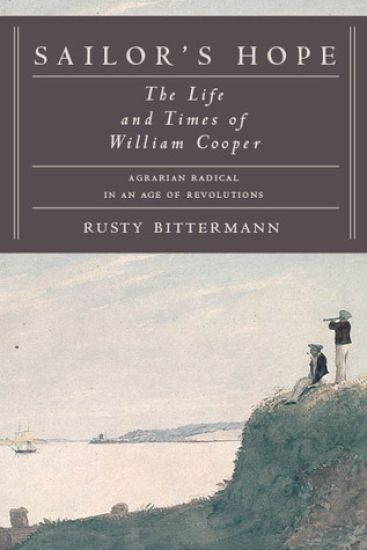
Sailor's Hope

Sailor's Hope

Rusty Bittermann

McGill-Queen's University Press
2010
sidottu
Sailor's Hope provides a moving account of a multi-faceted man, tracking his engagement with the extraordinary changes occurring in the Atlantic and Pacific Worlds in the decades after the American and French Revolutions. William Cooper was born in poverty in industrializing Scotland. Without any formal education, he worked his way up through the British merchant marine to the position of captain on voyages linking Britain with Iberia and North America.
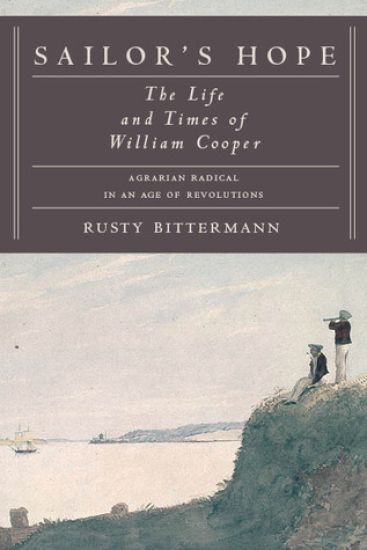
Sailor's Hope

Sailor's Hope

Rusty Bittermann

McGill-Queen's University Press
2010
nidottu
Sailor's Hope provides a moving account of a multi-faceted man, tracking his engagement with the extraordinary changes occurring in the Atlantic and Pacific Worlds in the decades after the American and French Revolutions. William Cooper was born in poverty in industrializing Scotland. Without any formal education, he worked his way up through the British merchant marine to the position of captain on voyages linking Britain with Iberia and North America.
Rural Protest on Prince Edward Island

Rural Protest on Prince Edward Island

Rusty Bittermann

University of Toronto Press
2006
sidottu
Who has the more legitimate claim to land, settlers who occupy and improve it with their labour, or landlords who claim ownership on the basis of imperial grants? This question of property rights, and their construction, was at the heart of rural protest on Prince Edward Island for a century. Tenants resisted landlord claims by squatting and refusing to pay rent. They fought for their vision of a just rural order through petitions, meetings, rallies, electoral campaigns, and direct action. Landlords responded with their own collective action to protect their interests. In Rural Protest on Prince Edward Island Rusty Bittermann examines this conflict and the dynamic of rural protest on the Island from its establishment as a British colony in the 1760s to the early 1840s. The focus of Bittermann's study is the remarkable mass movement known as the Escheat movement, which emerged in the 1830s in the context of growing popular challenges elsewhere in the Atlantic World. The Escheat movement aimed at resolving the land question in favour of tenants by having the state resume (escheat) the large grants of land that created landlordism on the Island. Although it ultimately gained control of the assembly in the late 1830s, the Escheat movement did not produce the land policies that tenants and their allies advocated. The movement did, however, synthesize years of rural protest and produce a persistent legacy of language and ideas concerning land, justice, and the rights of small producers that helped to make landlordism on the Island unsustainable in the long term. Rural Protest on Prince Edward Island is a comprehensive and fascinating examination of an important, but often overlooked, period in the history of Canada's smallest province.
Rural Protest on Prince Edward Island

Rural Protest on Prince Edward Island

Rusty Bittermann

University of Toronto Press
2006
pokkari
Who has the more legitimate claim to land, settlers who occupy and improve it with their labour, or landlords who claim ownership on the basis of imperial grants? This question of property rights, and their construction, was at the heart of rural protest on Prince Edward Island for a century. Tenants resisted landlord claims by squatting and refusing to pay rent. They fought for their vision of a just rural order through petitions, meetings, rallies, electoral campaigns, and direct action. Landlords responded with their own collective action to protect their interests. In Rural Protest on Prince Edward Island Rusty Bittermann examines this conflict and the dynamic of rural protest on the Island from its establishment as a British colony in the 1760s to the early 1840s. The focus of Bittermann's study is the remarkable mass movement known as the Escheat movement, which emerged in the 1830s in the context of growing popular challenges elsewhere in the Atlantic World. The Escheat movement aimed at resolving the land question in favour of tenants by having the state resume (escheat) the large grants of land that created landlordism on the Island. Although it ultimately gained control of the assembly in the late 1830s, the Escheat movement did not produce the land policies that tenants and their allies advocated. The movement did, however, synthesize years of rural protest and produce a persistent legacy of language and ideas concerning land, justice, and the rights of small producers that helped to make landlordism on the Island unsustainable in the long term. Rural Protest on Prince Edward Island is a comprehensive and fascinating examination of an important, but often overlooked, period in the history of Canada's smallest province.