Kirjojen hintavertailu. Mukana 11 717 486 kirjaa ja 12 kauppaa.

Kirjahaku

Etsi kirjoja tekijän nimen, kirjan nimen tai ISBN:n perusteella.

2 kirjaa tekijältä Ryan Coyne

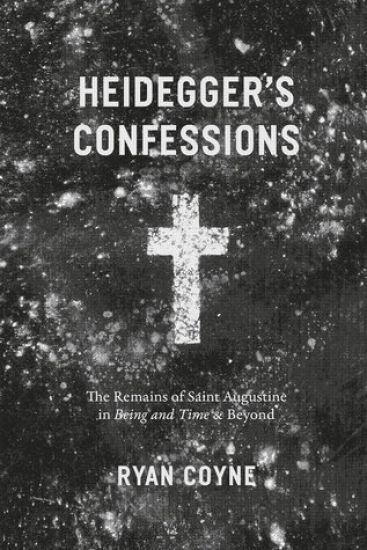
Heidegger's Confessions

Heidegger's Confessions

Ryan Coyne

University of Chicago Press
2015
sidottu
Although Martin Heidegger is nearly as notorious as Friedrich Nietzsche for embracing the death of God, the philosopher himself acknowledged that Christianity accompanied him at every stage of his career. In Heidegger's Confessions, Ryan Coyne isolates a crucially important player in this story: Saint Augustine. Uncovering the significance of Saint Augustine in Heidegger's philosophy, he details the complex and conflicted ways in which Heidegger paradoxically sought to define himself against the Christian tradition while at the same time making use of its resources. Coyne first examines the role of Augustine in Heidegger's early period and the development of his magnum opus, Being and Time. He then goes on to show that Heidegger owed an abiding debt to Augustine even after his own rise as a secular philosopher, tracing his early encounters with theological texts through to his late thoughts and writings. Bringing a fresh and unexpected perspective to bear on Heidegger's profoundly influential critique of modern metaphysics, Coyne traces a larger lineage between religious and theological discourse and continental philosophy.
Heidegger's Confessions

Heidegger's Confessions

Ryan Coyne

University of Chicago Press
2016
nidottu
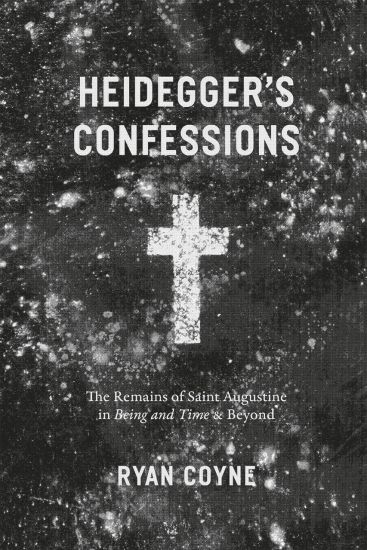
Although Martin Heidegger is nearly as notorious as Friedrich Nietzsche for embracing the death of God, the philosopher himself acknowledged that Christianity accompanied him at every stage of his career. In Heidegger's Confessions, Ryan Coyne isolates a crucially important player in this story: Saint Augustine. Uncovering the significance of Saint Augustine in Heidegger's philosophy, he details the complex and conflicted ways in which Heidegger paradoxically sought to define himself against the Christian tradition while at the same time making use of its resources. Coyne first examines the role of Augustine in Heidegger's early period and the development of his magnum opus, Being and Time. He then goes on to show that Heidegger owed an abiding debt to Augustine even following his own rise as a secular philosopher, tracing his early encounters with theological texts through to his late thoughts and writings. Bringing a fresh and unexpected perspective to bear on Heidegger's profoundly influential critique of modern metaphysics, Coyne traces a larger lineage between religious and theological discourse and continental philosophy.