The world can be a very crazy place with times of joy, challenge, and sadness. Individuals should use these times as opportunities to learn and grow. The life quotes in this book will help individuals to have a better perspective on life because, "It's a Crazy World... Learn From It". "Part I: Taking Care of Me" focuses on life quotes that help individuals to deal with past challenges in preparation for "Part II: Moving Forward".
The world can be a very crazy place with times of joy, challenge, and sadness. Individuals should use these times as opportunities to learn and grow. The life quotes in this book will help individuals to have a better perspective on life because, "It's a Crazy World... Learn From It". "Part II: Moving Forward" focuses on life quotes that help individuals move beyond past challenges in preparation for "Part III: Keeping It Going".
The world can be a very crazy place with times of joy, challenge, and sadness. Individuals should use these times as opportunities to learn and grow. The life quotes in this book will help individuals to have a better perspective on life because, "It's a Crazy World... Learn From It". "Part III: Keeping It Going" focuses on life quotes that help individuals continue to move forward and toward fulfilled lives in preparation for "Part IV: The Journey Continues".
The world can be a very crazy place with times of joy, challenge, and sadness. Individuals should use these times as opportunities to learn and grow. The life quotes in this book will help individuals to have a better perspective on life because, "It's a Crazy World... Learn From It". "Part IV: The Journey Continues" focuses on life quotes that help individuals to keep moving forward on their life's journey toward fulfilled lives.
This is a must read book for anyone who is bullied at work, has been bullied at work, or wants to learn about workplace bullying (along with ways to eliminate it). Unresolved workplace bullying incidents can lead to unethical behavior, toxic work environments, lost employees, mental health challenges, and the loss of lives. It's time to stop being silent about workplace bullying and its impact on employees' mental and physical well-being. Bullying behavior is often considered to be related to the antics of developing children. However, the same or similar behavior can be found in many offices also. The major difference between a school and a workplace bully is the environment that the bullying occurs, as the tactics used by school and workplace bullies are nearly the same. The focus of this book is to bring attention to an issue with great significance that is not discussed enough, impacts productivity in offices around the world, and can lead to emotional or psychological damage. This book is a single step toward raising awareness about, identifying the types of, and combating this very important topic of workplace bullies.
Individuals are told to behave ethically and "do the right thing." However, there aren't usually enough discussions about the personal costs that might be experienced if someone chooses to act and/or behave ethically. The negative impacts of addressing unethical activities can lead to individuals being chastised, isolated, retaliated against, and more. These potential consequences are powerful motivations that prevent impacted individuals and others from addressing or resolving questionable/unethical issues. Individuals, teams, organizations, companies, and societies have a collective responsibility to encourage, educate about, and enforce ethical actions/behaviors. Moreover, there must be protections to ensure that anyone who reviews, reports, and/or resolves ethical situations doesn't encounter any unwanted, unwelcomed, and unnecessary attacks. This book details the components of ethics, the types of ethical issues, case studies based on actual events, questions to stimulate critical thinking, and recommendations to address questionable/unethical issues, including guidance to promote ethical compliance. The expectations for ethical actions/behaviors are normally clear. The real issue is often related to individual interpretation and the degree of ethical enforcement against those who chose to not comply with behavioral expectations. Therefore, while confronted with an ethical dilemma... what will you choose to do?
S. L. Young made life-altering choices that changed the way he saw himself, repurposed his life, and drove him to help numerous individuals around the world. By deciding to leave several jobs due to questionable or unethical behavior --- including combating workplace bullying, his life and life's purpose would substantially change. Mr. Young's decisions to not compromise his values and win at any cost had a devastating impact on him emotionally, financially, physically, and spiritually. These challenges pushed Mr. Young to the verge of ending his life. Notwithstanding the enormous weight of these challenges, he didn't surrender his ethical, moral, and spiritual beliefs for job security or financial gain. Mr. Young's choices during these difficult years almost broke his mind and spirit. However, he stood firm in his beliefs, proved his mettle, illustrated strong conviction, and demonstrated the importance of "strength of character." This story is about an unwillingness to compromise personal beliefs to engage in questionable, unethical, or illegal activities despite overwhelming pressures to do otherwise. Mr. Young, during the worst moments of his life, redirected his life toward service. Furthermore, he chose to give-back to inspire others through his writings, inspirational speaking/radio show, and the creation of an educational nonprofit organization "Saving Our Communities at Risk Through Educational Services (SOCARTES - socartes.org)." Mr. Young's actions throughout these various challenges are strong examples of character, resolve, ethics, moral courage, resilience, and an ability to persevere to live a purposeful life.
Soft skills are important factors in the development and achievement of success. These skills are often identified as important. However, there isn't always enough time allocated toward the development of these critical success components. As a result, there are missed opportunities for individuals to maximize their performance output. Soft skills are used to deliver a message, explore ideas, manage schedules, obtain something of value, and much more. This "Management Spotlight" focuses on "belief", which is an internal processing that individuals do to positively and purposely consider or act on the possibilities to achieve their or others' goals.
Soft skills are critical factors in the development and achievement of success. These skills are often identified as important. However, there isn't always enough time allocated toward the development of these critical success components. As a result, there are missed opportunities for individuals to maximize their performance output. Soft skills are used to deliver a message, explore ideas, manage schedules, obtain something of value, and much more. This "Management Spotlight" focuses on "communication", which is used to convey a want/need, obtain/provide information, or express a non-verbal response.
Soft skills are important factors in the development and achievement of success. These skills are often identified as important. However, there isn't enough time allocated toward the development of these critical success components. As a result, there are missed opportunities for individuals to maximize their performance and output. Soft skills are used to deliver a message, explore ideas, manage schedules, obtain something of value, and much more. This "Management Spotlight" focuses on "negotiation", which is used to obtain a want/desire, accomplish goals/objectives, develop a better position, and achieve a "win/win" outcome.
Soft skills are critical factors in the development and achievement of success. These skills are often identified as important. However, there isn't always enough time allocated toward the development of these critical success components. As a result, there are missed opportunities for individuals to maximize their performance and output. Soft skills are used to deliver a message, explore ideas, manage schedules, obtain something of value, and much more. This "Management Spotlight" focuses on "time management", which is used to manage assignments, prioritize tasks/activities, drive productivity, and eliminate procrastination.
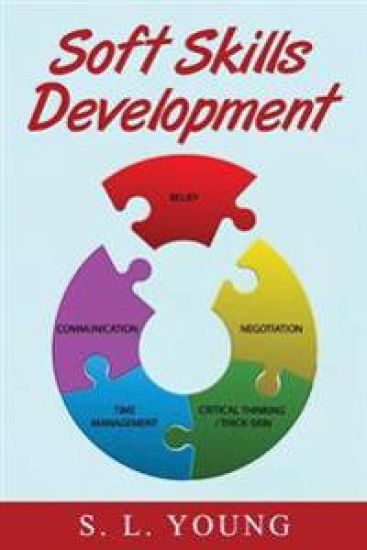
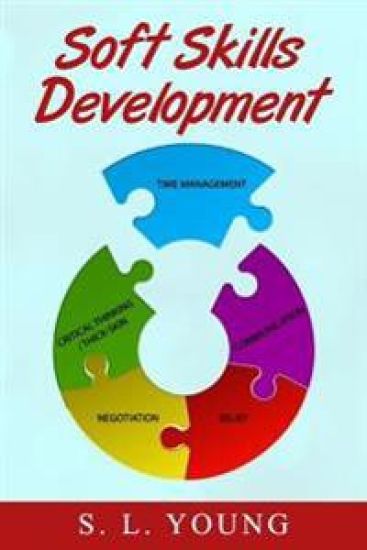
Soft skills are important factors in the development and achievement of success. These skills are often identified as important. However, there isn't always enough time allocated toward the development of these critical success components. As a result, there are missed opportunities for individuals to maximize their performance output. Soft skills are used to deliver a message, explore ideas, manage schedules, obtain something of value, and much more. This "Soft Skills Development" focuses on "belief", which is an internal processing that individuals do to positively and purposely consider or act on the possibilities to achieve their or others' goals.
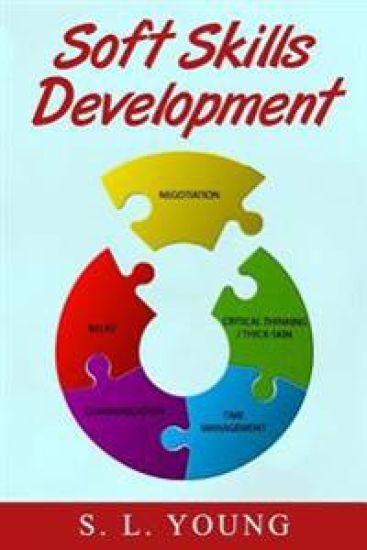
Soft skills are important factors in the development and achievement of success. These skills are often identified as important. However, there isn't always enough time allocated toward the development of these critical success components. As a result, there are missed opportunities for individuals to maximize their performance output. Soft skills are used to deliver a message, explore ideas, manage schedules, obtain something of value, and much more. This "Soft Skills Development" focuses on "negotiation", which is used to obtain a want/desire, accomplish goals/objectives, develop a better position, and achieve a "win/win" outcome.
Soft skills are critical factors in the development and achievement of success. These skills are often identified as important. However, there isn't always enough time allocated toward the development of these critical success components. As a result, there are missed opportunities for individuals to maximize their performance and output. Soft skills are used to deliver a message, explore ideas, manage schedules, obtain something of value, and much more. This "Soft Skills Development" focuses on "time management", which is used to manage assignments, prioritize tasks/activities, drive productivity, and eliminate procrastination.
Soft skills are critical factors in the development and achievement of success. These skills are often identified as important. However, there isn't always enough time allocated toward the development of these critical success components. As a result, there are missed opportunities for individuals to maximize their performance output. Soft skills are used to deliver a message, explore ideas, manage schedules, obtain something of value, and much more. This "Soft Skills Development" focuses on "communication", which is used to convey a want/need, obtain/provide information, or express a non-verbal response.
Significant updates were made to this book in October 2023, which makes this story even more compelling. Imagine being directed to leave high school in the tenth grade after failing six of seven classes and missing approximately one third of the school year. What would you do? It's unimaginable that an academically challenged student would be directed by his principal to leave high school versus developing a plan to correct his horrible academic performance. Unfortunately, this is the situation that happened to Dr. S. L. Young. It would take many years before he would connect with the process of learning in a meaningful way. Dr. Young had to mature before he would make difficult choices and changes, which drove him to earn several degrees and become a college professor. This story is about a dream, a decision, desire, and determination in the relentless pursuit of a goal. Dr. Young's hard-earned academic and professional successes weren't easy. Yet, through his story, powerful lessons will be learned about the importance of patience, planning, persistence, perseverance, and positivity to make the seemingly impossible possible.
Difficult times are an unfortunate part of life. Sometimes, these moments don't last long, can be dealt with easily, or might be something that becomes an overwhelming burden.The reasons some individuals deal with mental health challenges better than others shouldn't be reduced to questions about their personal strength or mental fortitude. Instead, considerations should be focused on the source(s) of, impact of, and treatment options for their depression to prevent it from getting worse, which might lead to the loss of a life.The material detailed in this book includes bold, candid, and powerful insights from Mr. Young's journey to battle depression and recover after his near-suicide. Additionally, this information raises awareness about the importance of mental health.Depression isn't a topic that should be learned about once someone is affected or effected by a bona fide health issue, which has too many unnecessary stigmas associated to it. It's time to stop being silent about depression and mental health challenges as "quiet" personal battles that can't be discussed. There should be open, honest, and life-changing conversations about bodily health, which can help and save lives.This insightful and beneficial resource is for anyone who is affected by depression, has suicidal thoughts, wants to learn more about this topic, or wants to save a life, which might include their own.