Kirjojen hintavertailu. Mukana 12 363 547 kirjaa ja 12 kauppaa.

Kirjahaku

Etsi kirjoja tekijän nimen, kirjan nimen tai ISBN:n perusteella.

11 kirjaa tekijältä Sam Bardaouil, Barbara Helwing

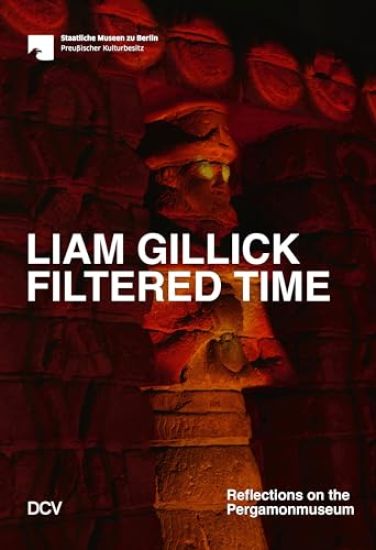
Liam Gillick. Filtered Time

Liam Gillick. Filtered Time

Sam Bardaouil; Barbara Helwing

DCV
2023
sidottu
The sculptor and object artist Liam Gillick (b. Aylesbury, UK, 1964; lives and works in New York) has created an intervention titled Filtered Time for the historic galleries of the Pergamon Museum in Berlin. Projections of light and color and acoustic effects condense six thousand years of cultural history into an immersive spatial experience. Gillick initiates a conversation between the iconic Processional Way and the Ishtar Gate from Babylon, the monumental sculptures of Tell Halaf, and other exhibits, engendering new layers of meaning across all historical periods. The first joint project of the Vorderasiatisches Museum and the Hamburger Bahnhof-- Nationalgalerie der Gegenwart makes for a singular visual and sensory experience. Designed by the artist himself, the publication not only documents the richly colorful production, but also provides insight into the eventful history of the museum, which is approaching its centennial. Liam Gillick studied at the Hertfordshire College of Art in 1983- 1984 and at Goldsmiths, University of London from 1984 until 1987. Gillick is a prolific published writer as well, producing essays, reviews, fiction, and theatrical scenarios.
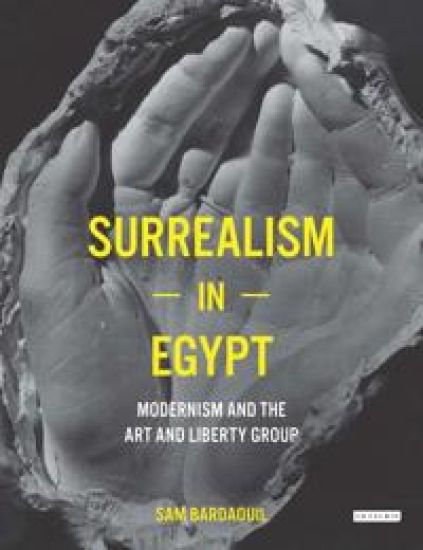
Surrealism in Egypt

Surrealism in Egypt

Sam Bardaouil

I.B. Tauris
2016
sidottu
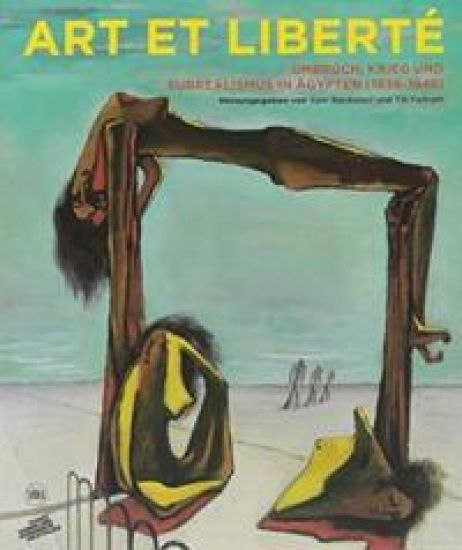
In the thick of the Second World War, the Cairo-based Surrealist collective Art et Liberte were pioneering new art forms and mounting subversive exhibitions that sent shockwaves across local artistic circles. Born with the publication of their Manifesto Long Live Degenerate Art on December 22nd, 1938, the group rejected the convergence of art and nationalism, aligning themselves with a complex, international and evolving Surrealist movement spanning cities such as Paris, London, Mexico City, New York, Beirut and Tokyo. Art and Liberty created a distinct reworking of Surrealism, which provided a generation of disillusioned Egyptian and non-Egyptian artists and writers, men and women alike, with a platform for cultural reform and anti-Fascist protest. Surrealism in Egypt is the first comprehensive analysis of Art and Liberty's artworks, literature and critical writings on Surrealism. By addressing the group's long-lost and often misconstrued legacy, and drawing on a substantial body of previously unpublished primary documents and more than 200 field interviews, the author charts Art and Liberty's significant contribution towards a new definition of Surrealism.Moving beyond the polarizing dichotomies of Saidian Orientalism, this book rewrites the history of Surrealism itself - advocating for a new definition of the movement that reflects an inclusive vision of art history.
Passage

Passage

Sam Bardaouil; Till Fellrath

JOVIS Verlag
2019
sidottu
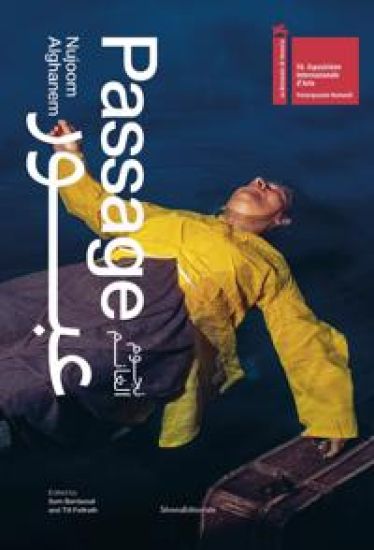
Passage is a site-specific, two-channel video installation, which expands Nujoom Alghanem's experimentation with contemporary Arabic poetry through the language of film. Taking her quintessential 2009 poem, The Passerby Collects the Moonlight, as a point of departure, this installation explores the universal experience of displacement. This Brechtian conflation of reality and fiction, culminating in a scene that depicts Falak arriving at the pavilion in Venice, prompts the viewers to consider the parallelism between the film's three protagonists: the director, the actress and the fictional character. These three women of a similar age share the experience of similar dualities: the hidden and the revealed, fragility and power, belonging and displacement. The experience of passage and duality also permeates the design of the exhibition space, where visitors can enter and exit from either side of the pavilion. A large screen, diagonally positioned at the centre, divides the space into two symmetrical halves. The viewers are invited to engage both with Nujoom and Amal's real process of creating the film and with the cinematographic portrayal of the fictional character of Falak.
Passage

Passage

Sam Bardaouil; Till Fellrath

Silvana
2019
sidottu
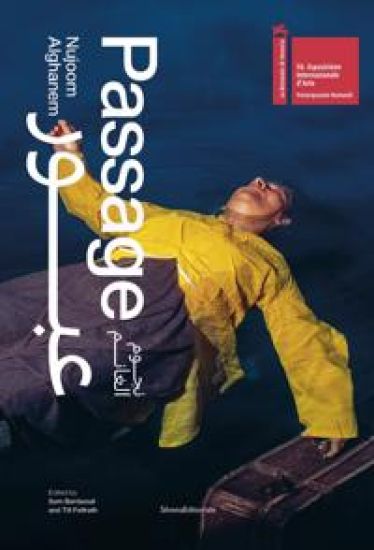
Passage is a site-specific, two-channel video installation, which expands Nujoom Alghanem's experimentation with contemporary Arabic poetry through the language of film. Taking her quintessential 2009 poem, The Passerby Collects the Moonlight, as a point of departure, this installation explores the universal experience of displacement. This Brechtian conflation of reality and fiction, culminating in a scene that depicts Falak arriving at the pavilion in Venice, prompts the viewers to consider the parallelism between the film's three protagonists: the director, the actress and the fictional character. These three women of a similar age share the experience of similar dualities: the hidden and the revealed, fragility and power, belonging and displacement. The experience of passage and duality also permeates the design of the exhibition space, where visitors can enter and exit from either side of the pavilion. A large screen, diagonally positioned at the centre, divides the space into two symmetrical halves. The viewers are invited to engage both with Nujoom and Amal's real process of creating the film and with the cinematographic portrayal of the fictional character of Falak. Text in Arabic.
Walking Through Walls

Walking Through Walls

Sam Bardaouil; Till Fellrath

Silvana
2019
nidottu
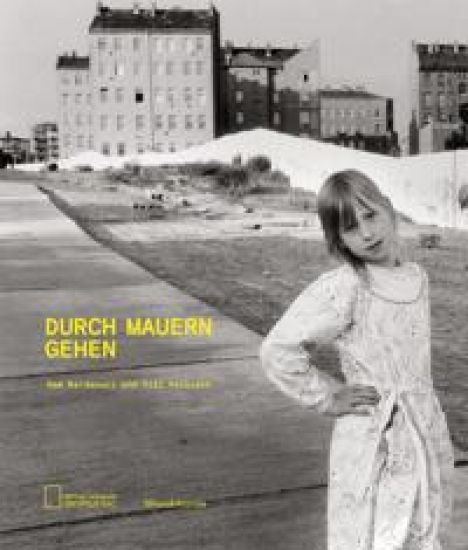
The thematic exhibition Walking Through Walls presents a contemporary panorama of the artistic responses made to the detrimental effects of human-made barriers, divisions and walls, showcasing works by Jose Dávila, Mona Hatoum, Nadia Kaabi-Linke, Christian Odzuck, Anri Sala, Regina Silveira, alongside many others. Acknowledging the location of the Gropius Bau alongside the former Berlin Wall, the exhibition offers a global perspective on the physical and psychological repercussions of coexisting in divided societies. On the occasion of the 30th anniversary of the fall of the Wall, the exhibition is a timely exploration of how barriers can articulate feelings of vulnerability and anxiety, and represent individual and collective identities. Artists: Jose Dávila, Mona Hatoum, Nadia Kaabi-Linke, Christian Odzuck, Anri Sala, Regina Silveira and others. Text in German.
Walking Through Walls

Walking Through Walls

Sam Bardaouil; Till Fellrath

Silvana
2019
nidottu
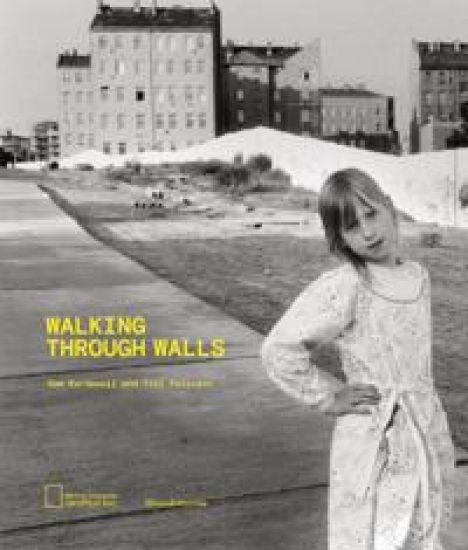
The thematic exhibition Walking Through Walls presents a contemporary panorama of the artistic responses made to the detrimental effects of human-made barriers, divisions and walls, showcasing works by Jose Dávila, Mona Hatoum, Nadia Kaabi-Linke, Christian Odzuck, Anri Sala, Regina Silveira, alongside many others. Acknowledging the location of the Gropius Bau alongside the former Berlin Wall, the exhibition offers a global perspective on the physical and psychological repercussions of coexisting in divided societies. On the occasion of the 30th anniversary of the fall of the Wall, the exhibition is a timely exploration of how barriers can articulate feelings of vulnerability and anxiety, and represent individual and collective identities. Artists: Jose Dávila, Mona Hatoum, Nadia Kaabi-Linke, Christian Odzuck, Anri Sala, Regina Silveira and others.
Summer Autumn Winter … and Spring

Summer Autumn Winter … and Spring

Sam Bardaouil; Till Fellrath

Skira
2015
nidottu
A selection of fifteen well-established artists from across the Maghreb, Levant, and Gulf in conversations moderated by experts on contemporary Middle Eastern art. Historically, artists have been known for their ability to understand emerging trends of thought and emotions before they become clear to the society at large. Yet, outside the art world, artists have rarely enjoyed opportunity to share their ideas. As revolutionary movements challenge decades of authoritarian rule across Arab countries, Conversations with Contemporary Arab Artists is the first book to give voice to artists from across the region and makes their thoughts accessible to a wide audience. Its purpose is to record for future generations these artists’ thoughts as they bear witness to revolutionary currents sparking deep transformations in their political and social landscapes. Rather than providing a comprehensive analysis of the “Arab Spring,” this book simply aims to provide readers with snap shots of the states of mind of intellectually engaged Arab artists. It is aimed at curators, art historians, artists, sociologists, political scientists, citizens of the Arab world and students of art, art history, and the Middle East.