Kirjojen hintavertailu. Mukana 11 556 519 kirjaa ja 12 kauppaa.

Kirjahaku

Etsi kirjoja tekijän nimen, kirjan nimen tai ISBN:n perusteella.

7 kirjaa tekijältä Sam Goodman

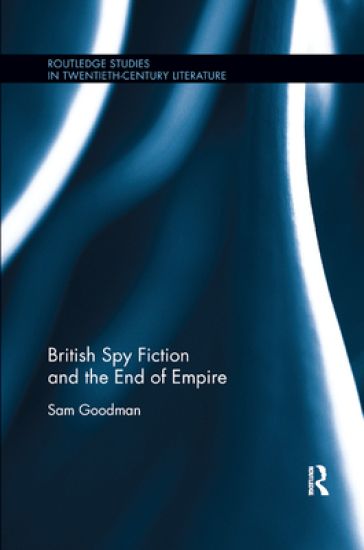
British Spy Fiction and the End of Empire
The position of spy fiction is largely synonymous in popular culture with ideas of patriotism and national security, with the spy himself indicative of the defence of British interests and the preservation of British power around the globe. This book reveals a more complicated side to these assumptions than typically perceived, arguing that the representation of space and power within spy fiction is more complex than commonly assumed. Instead of the British spy tirelessly maintaining the integrity of Empire, this volume illustrates how spy fiction contains disunities and disjunctions in its representation of space, and the relationship between the individual and the state in an era of declining British power.Focusing primarily on the work of Graham Greene, Ian Fleming, Len Deighton, and John le Carre, the volume brings a fresh methodological approach to the study of spy fiction and Cold War culture. It presents close textual analysis within a framework of spatial and sovereign theory as a means of examining the cultural impact of decolonization and the shifting geopolitics of the Cold War. Adopting a thematic approach to the analysis of space in spy fiction, the text explores the reciprocal process by which contextual history intersects with literature throughout the period in question, arguing that spy fiction is responsible for reflecting, strengthening and, in some cases, precipitating cultural anxieties over decolonization and the end of Empire.This study promises to be a welcome addition to the developing field of spy fiction criticism and popular culture studies. Both engaging and original in its approach, it will be important reading for students and academics engaged in the study of Cold War culture, popular literature, and the changing state of British identity over the course of the latter twentieth century.
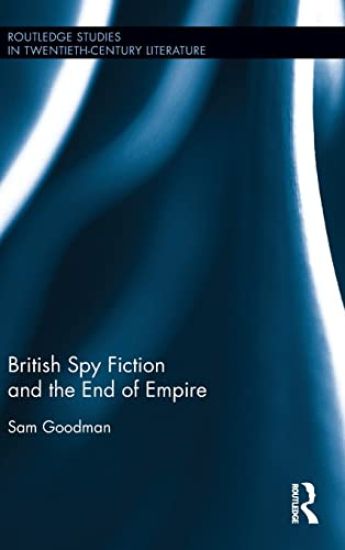
British Spy Fiction and the End of Empire
The position of spy fiction is largely synonymous in popular culture with ideas of patriotism and national security, with the spy himself indicative of the defence of British interests and the preservation of British power around the globe. This book reveals a more complicated side to these assumptions than typically perceived, arguing that the representation of space and power within spy fiction is more complex than commonly assumed. Instead of the British spy tirelessly maintaining the integrity of Empire, this volume illustrates how spy fiction contains disunities and disjunctions in its representation of space, and the relationship between the individual and the state in an era of declining British power.Focusing primarily on the work of Graham Greene, Ian Fleming, Len Deighton, and John le Carre, the volume brings a fresh methodological approach to the study of spy fiction and Cold War culture. It presents close textual analysis within a framework of spatial and sovereign theory as a means of examining the cultural impact of decolonization and the shifting geopolitics of the Cold War. Adopting a thematic approach to the analysis of space in spy fiction, the text explores the reciprocal process by which contextual history intersects with literature throughout the period in question, arguing that spy fiction is responsible for reflecting, strengthening and, in some cases, precipitating cultural anxieties over decolonization and the end of Empire.This study promises to be a welcome addition to the developing field of spy fiction criticism and popular culture studies. Both engaging and original in its approach, it will be important reading for students and academics engaged in the study of Cold War culture, popular literature, and the changing state of British identity over the course of the latter twentieth century.
The Retrospective Raj

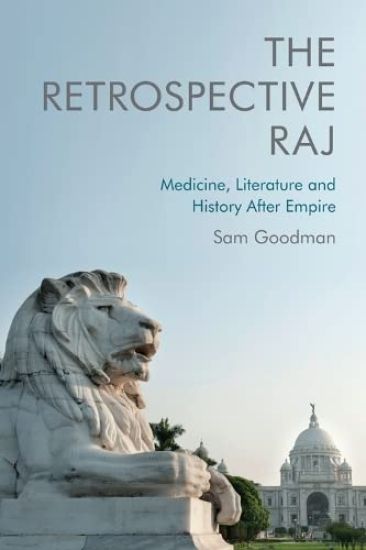
The Retrospective Raj

Sam Goodman

EDINBURGH UNIVERSITY PRESS
2022
sidottu
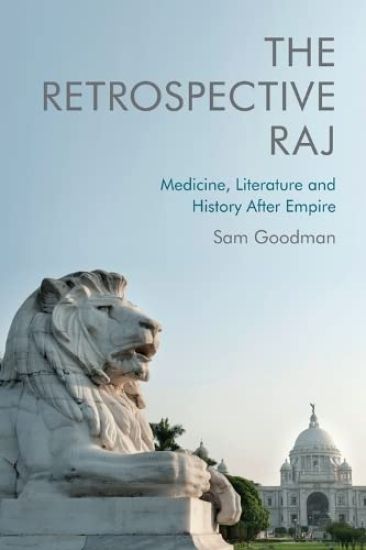
The Retrospective Raj: Medicine, Literature & History After Empire undertakes a detailed analysis of the use of medicine as a recurrent and defining trope of post-imperial fiction published between 1950 and 1990. The book argues that during this crucial period of recent history, when the influence and prestige of the British Empire was nearing its end, a range of contemporary novelists including J. G. Farrell, Paul Scott, John Masters, Ruth Prawer Jhabvala, and Salman Rushdie identified and used medicine as a discursive paradigm through which to engage critically with the history, authority and legacy of the British Empire within their writing. Drawing on a range of literary and archival sources, this work explores the complex relationship between Britain, India and Empire through a medical lens, bringing together the concerns of literary study and medical history under an interdisciplinary and original methodological framework.
The Retrospective Raj

The Retrospective Raj

Sam Goodman

EDINBURGH UNIVERSITY PRESS
2023
nidottu
Explores the 20th century literary revival of Empire and the post-imperial novel through a critical medical humanities lens Offers new insights into an established genre of twentieth-century literature through the application of a critical medical humanities lens Adds to scholarly understanding of the perceived legacy of Empire in culture and society of the twentieth century through comparative analysis of a selection of well-known Booker Prize winning novelists Offers a balance of close reading of key novels in addition to critical approaches to history, historiography and context to explore the representation of Britishness and identity after Empire Explores the relationship between illness, nationhood, and culture/history, so of acute contextual relevance The Retrospective Raj: Medicine, Literature & History After Empire undertakes a detailed analysis of the use of medicine as a recurrent and defining trope of post-imperial fiction published between 1950 and 1990. The book argues that during this crucial period of recent history, when the influence and prestige of the British Empire was nearing its end, a range of contemporary novelists including J. G. Farrell, Paul Scott, John Masters, Ruth Prawer Jhabvala, and Salman Rushdie identified and used medicine as a discursive paradigm through which to engage critically with the history, authority and legacy of the British Empire within their writing. Drawing on a range of literary and archival sources, this work explores the complex relationship between Britain, India and Empire through a medical lens, bringing together the concerns of literary study and medical history under an interdisciplinary and original methodological framework.
The Imperial Premiership

The Imperial Premiership

Sam Goodman

Manchester University Press
2016
nidottu
Recent votes in the House of Commons on British military intervention have put foreign policy at the heart of public consciousness. This book examines fifty years and nine premierships - from Harold Wilson to David Cameron - to offer a unique account of the growing role of the prime minister in foreign policy making.The prime minister now spends more time on foreign policy than at any previous period outside war, but excepting crises the public and MPs themselves remain relatively ill-informed on the subject. Written by a senior parliamentary researcher and based on first-hand interviews with former foreign secretaries, Cabinet ministers, senior civil servants, party officials, military chiefs and diplomats, this book provides an insider account of votes on military intervention in Syria, and raises questions around the vetting of those who seek the office of prime minister and the educating of the electorate.
Life's Six Buckets: The Fulfillment Source Code: Human Edition
"Life's Six Buckets is THE kid's book every adult should read." Mom, Jennifer Farr, US Marine Veteran"Help your children discover who they are and more importantly who they can become. Life's Six Buckets asks the right questions to playfully make conscious the road to a meaningful life "Dr. John Ratey author of SparkHave you have ever wondered WHY so many people are so unhappy, even though they work so much, do so much and have so much?Drawing from the latest in neurology, psychology, biology, nutrition, and genetics, Life's Six Buckets has the answer.Life's Six Buckets willIncrease your child's chances of becoming their best selfTeach you real-life skills for improving your lifeBe a great 30 minutes spent with your loved oneLife's Six Buckets will alsoShatter common beliefs and reveal why your parents got it wrongShow you how to avoid the most common mistakes adult makeUncover the hidden whys that steer YOUR life"Your daughter is very lucky We have so much education for academics and virtually none for living a flourishing life " Professor Ed Diener Author of Happiness and International Differences in Well-Being with Daniel Kahneman
The Imperial Premiership

The Imperial Premiership

Sam Goodman

Manchester University Press
2016
sidottu
Recent votes in the House of Commons on British military intervention have put foreign policy at the heart of public consciousness. This book examines fifty years and nine premierships - from Harold Wilson to David Cameron - to offer a unique account of the growing role of the prime minister in foreign policy making.The prime minister now spends more time on foreign policy than at any previous period outside war, but excepting crises the public and MPs themselves remain relatively ill-informed on the subject. Written by a senior parliamentary researcher and based on first-hand interviews with former foreign secretaries, Cabinet ministers, senior civil servants, party officials, military chiefs and diplomats, this book provides an insider account of votes on military intervention in Syria, and raises questions around the vetting of those who seek the office of prime minister and the educating of the electorate.