Kirjojen hintavertailu. Mukana 11 699 587 kirjaa ja 12 kauppaa.

Kirjahaku

Etsi kirjoja tekijän nimen, kirjan nimen tai ISBN:n perusteella.

4 kirjaa tekijältä Samuel Fury Childs Daly

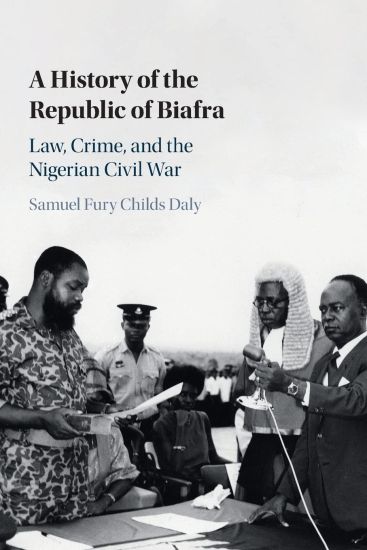
A History of the Republic of Biafra

A History of the Republic of Biafra

Samuel Fury Childs Daly

Cambridge University Press
2021
pokkari
The Republic of Biafra lasted for less than three years, but the war over its secession would contort Nigeria for decades to come. Samuel Fury Childs Daly examines the history of the Nigerian Civil War and its aftermath from an uncommon vantage point – the courtroom. Wartime Biafra was glutted with firearms, wracked by famine, and administered by a government that buckled under the weight of the conflict. In these dangerous conditions, many people survived by engaging in fraud, extortion, and armed violence. When the fighting ended in 1970, these survival tactics endured, even though Biafra itself disappeared from the map. Based on research using an original archive of legal records and oral histories, Daly catalogues how people navigated conditions of extreme hardship on the war front, and shows how the conditions of the Nigerian Civil War paved the way for the country's long experience of crime that was to follow.
A History of the Republic of Biafra

A History of the Republic of Biafra

Samuel Fury Childs Daly

Cambridge University Press
2020
sidottu
The Republic of Biafra lasted for less than three years, but the war over its secession would contort Nigeria for decades to come. Samuel Fury Childs Daly examines the history of the Nigerian Civil War and its aftermath from an uncommon vantage point – the courtroom. Wartime Biafra was glutted with firearms, wracked by famine, and administered by a government that buckled under the weight of the conflict. In these dangerous conditions, many people survived by engaging in fraud, extortion, and armed violence. When the fighting ended in 1970, these survival tactics endured, even though Biafra itself disappeared from the map. Based on research using an original archive of legal records and oral histories, Daly catalogues how people navigated conditions of extreme hardship on the war front, and shows how the conditions of the Nigerian Civil War paved the way for the country's long experience of crime that was to follow.
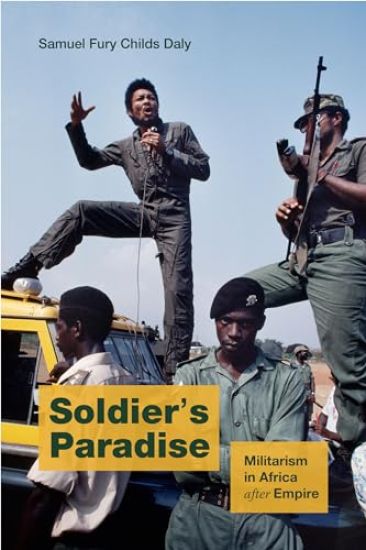
Soldier's Paradise

Soldier's Paradise

Samuel Fury Childs Daly

DUKE UNIVERSITY PRESS
2024
sidottu
In Soldier’s Paradise, Samuel Fury Childs Daly tells the story of how Africa’s military dictators tried and failed to transform their societies into martial utopias. Across the continent, independence was followed by a wave of military coups and revolutions. The soldiers who led them had a vision. In Nigeria and other former British colonies, officers governed like they fought battles-to them, politics was war by other means. Civilians were subjected to military-style discipline, which was indistinguishable from tyranny. Soldiers promised law and order, and they saw judges as allies in their mission to make society more like an army. But law was not the disciplinary tool soldiers thought it was. Using legal records, archival documents, and memoirs, Daly shows how law both enabled militarism and worked against it. For Daly, the law is a place to see decolonization’s tensions and ironies-independence did not always mean liberty, and freedom had a militaristic streak. In a moment when militarism is again on the rise in Africa, Daly describes not just where it came from but why it lasted so long.
Soldier's Paradise

Soldier's Paradise

Samuel Fury Childs Daly

DUKE UNIVERSITY PRESS
2024
pokkari
In Soldier’s Paradise, Samuel Fury Childs Daly tells the story of how Africa’s military dictators tried and failed to transform their societies into martial utopias. Across the continent, independence was followed by a wave of military coups and revolutions. The soldiers who led them had a vision. In Nigeria and other former British colonies, officers governed like they fought battles-to them, politics was war by other means. Civilians were subjected to military-style discipline, which was indistinguishable from tyranny. Soldiers promised law and order, and they saw judges as allies in their mission to make society more like an army. But law was not the disciplinary tool soldiers thought it was. Using legal records, archival documents, and memoirs, Daly shows how law both enabled militarism and worked against it. For Daly, the law is a place to see decolonization’s tensions and ironies-independence did not always mean liberty, and freedom had a militaristic streak. In a moment when militarism is again on the rise in Africa, Daly describes not just where it came from but why it lasted so long.