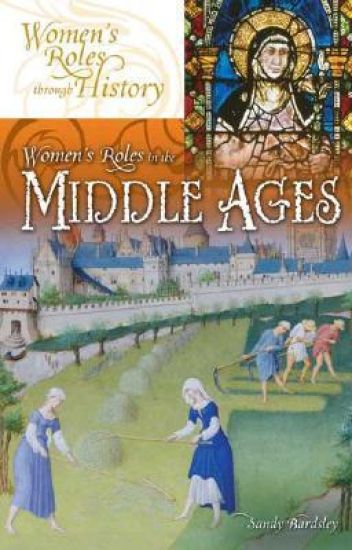
Information about women in this truly fascinating period from 500 to 1500 is in great demand and has been a challenge for historians to uncover. Bardsley has mined a wide range of primary sources, from noblewomen's writing, court rolls, chivalric literature, laws and legal documents, to archeology and artwork. This fresh survey provides readers with an excellent understanding of how women high and low fared in terms of religion, work, family, law, culture, and politics and public life. Even though medieval women were divided by social class, religion, age, marital status, place and period, they were all subject to an overarching patriarchal structure and sometimes could transcend their inferior status. Numerous examples of these exceptional women and their words are included. Chapter 1 examines religion, focusing on women's roles in the early Christian church, the lives of nuns and other professional religious women such as anchoresses and Beguines, the participation of Christian laywomen, and the experiences of Jewish and Islamic women in Western Europe. The second chapter examines women's work, looking in turn at the kinds of work performed by peasant women, townswomen, and noblewomen. Women's roles within the family form the subject of the third chapter. This chapter follows women throughout the typical lifecycle - from girl to widow - examining the expectations and experiences of women at each stage. Chapter 4, Women and the Law, focuses on the ways in which laws both restricted and protected women. It also considers the crimes with which women were most often charged and surveys laws regarding marriage and widowhood. Women's roles in creative arts form the basis of the fifth chapter, Women and Culture. This chapter examines women's roles as artists, authors, composers, and patrons, as well as investigating the ways in which women were represented in works produced by men. Finally, chapter 6 discusses women's experiences in politics and public life. While women as a group were typically banned from holding positions of public authority, some found ways to get around this stricture, while others were able to exercise power behind the scenes. The final chapter thus encapsulates a major theme of this book: the interplay between broader patriarchal forces that limited women's status and autonomy and the role of individuals who were able to overcome or circumvent such forces. Medieval women were, as a group, subordinate to their husbands and fathers, but certain women, under certain circumstances, evaded subordination.