Kirjojen hintavertailu. Mukana 12 016 292 kirjaa ja 12 kauppaa.

Kirjahaku

Etsi kirjoja tekijän nimen, kirjan nimen tai ISBN:n perusteella.

3 kirjaa tekijältä Sandy Isenstadt

Electric Light

Electric Light

Sandy Isenstadt

MIT Press
2018
sidottu
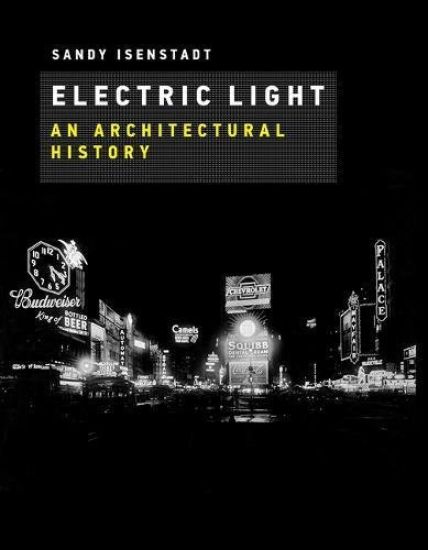
How electric light created new spaces that transformed the built environment and the perception of modern architecture.In this book, Sandy Isenstadt examines electric light as a form of architecture-as a new, uniquely modern kind of building material. Electric light was more than just a novel way of brightening a room or illuminating a streetscape; it brought with it new ways of perceiving and experiencing space itself. If modernity can be characterized by rapid, incessant change, and modernism as the creative response to such change, Isenstadt argues, then electricity-instantaneous, malleable, ubiquitous, evanescent-is modernity's medium.Isenstadt shows how the introduction of electric lighting at the end of the nineteenth century created new architectural spaces that altered and sometimes eclipsed previously existing spaces. He constructs an architectural history of these new spaces through five examples, ranging from the tangible miracle of the light switch to the immaterial and borderless gloom of the wartime blackout. He describes what it means when an ordinary person can play God by flipping a switch; when the roving cone of automobile headlights places driver and passenger at the vertex of a luminous cavity; when lighting in factories is seen to enhance productivity; when Times Square became an emblem of illuminated commercial speech; and when the absence of electric light in a blackout produced a new type of space. In this book, the first sustained examination of the spatial effects of electric lighting, Isenstadt reconceives modernism in architecture to account for the new perceptual conditions and visual habits that followed widespread electrification.
The Modern American House

The Modern American House

Sandy Isenstadt

Cambridge University Press
2006
sidottu
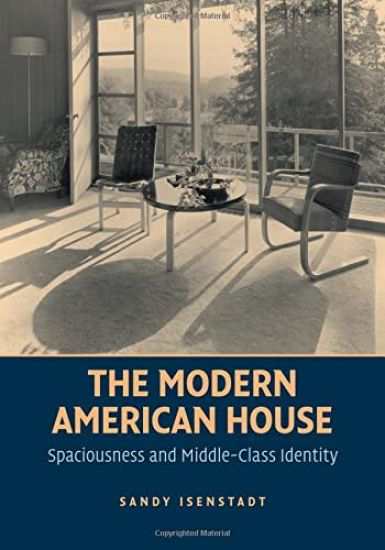
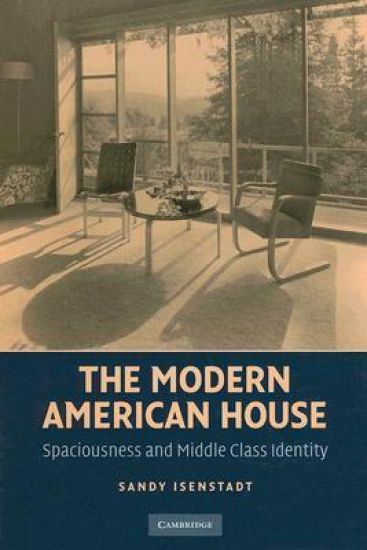
Sandy Isenstadt examines how architects, interior designers, and landscape designers worked to enhance spatial perception in middle class houses visually. The desire for spaciousness reached its highest pitch where it was most lacking, in the small, single-family houses that came to be the cornerstone of middle class life in the nineteenth century. In direct conflict with actual dimensions, spaciousness was linked to a tension unique to the middle class - between spatial aspirations and financial limitations. Although rarely addressed in a sustained fashion by theorists, practitioners, or the inhabitants of houses themselves, Isenstadt argues that spaciousness was central to the development of modern American domestic architecture, with explicit strategies for perceiving space being pivotal to modern house design. Through professional endorsement, concern for visual space found its way into discussion of real estate and law.
The Modern American House

The Modern American House

Sandy Isenstadt

Cambridge University Press
2014
pokkari
Sandy Isenstadt examines how architects, interior designers, and landscape designers worked to enhance spatial perception in middle class houses visually. The desire for spaciousness reached its highest pitch where it was most lacking, in the small, single-family houses that came to be the cornerstone of middle class life in the nineteenth century. In direct conflict with actual dimensions, spaciousness was linked to a tension unique to the middle class - between spatial aspirations and financial limitations. Although rarely addressed in a sustained fashion by theorists, practitioners, or the inhabitants of houses themselves, Isenstadt argues that spaciousness was central to the development of modern American domestic architecture, with explicit strategies for perceiving space being pivotal to modern house design. Through professional endorsement, concern for visual space found its way into discussion of real estate and law.