Kirjojen hintavertailu. Mukana 11 342 296 kirjaa ja 12 kauppaa.

Kirjahaku

Etsi kirjoja tekijän nimen, kirjan nimen tai ISBN:n perusteella.

2 kirjaa tekijältä Sandy Ruxton

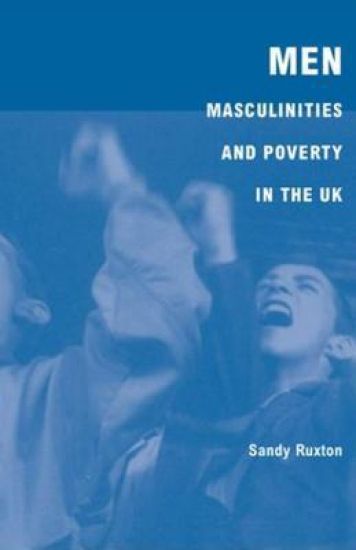
Men, Masculinities and Poverty in the UK
Rising suicides among young men; educational underachievement among boys; male detachment from the labour market - in the UK statistics such as these are regularily used to support the argument that men are in crisis. But overall trends still show that women are the majority of those living in poverty (as thery are internationally). While talk of a crisis mae be overdone, there are real concerns regarding te position of those groups of men in the UK at the sharp end of economic and social change. In this context, to overlook what is happening to men could undermine attempts to improve gender relations. How mens lives ca and must be transformed so that they can work with women against poverty and for gender equality is the starting point of this book. Men, Masculinities, and Poverty in the UK was commissioned by Oxfams UK Poverty Prgramme to explore how changing economic, social and political circumstances are affecting gender relations.Sandy Ruxton draws upon a review of the relevant literature and the experience of a wide range of community-based groups across the UK, in particular those working in the fields of employment training, men's health, gender-based violence, and fatherhood. He highlights the importance of using a coherent gender analysis to assess the nature, scope, and effectiveness of work with men, and concludes with recommendations for developing work with men in the UK in order to address poverty and gender inequality.
Gender Equality and Men

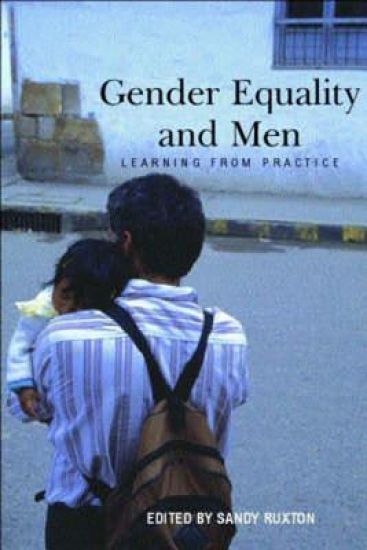
Gender Equality and Men

Sandy Ruxton

Oxfam
2004
nidottu
Why include men in gender equality and anti-poverty work? What works with men in practice? What is the impact of including men in gender analysis and action? How should organisations develop work with men? In international debates on gender equality there is a growing emphasis on men, not only as holders of privileges or as perpetrators of violence, but also as potential and actual contributors to gender equality. The conclusions of the 48th session of the UN commission on the Status of Women in 2004 urged key stakeholders (including governments, UN organisations, and civil society) to promote action at all levels in fields such as education, health services, training, media, and the workplace to increase the contribution of men and boys to furthering gender equality. Based on examples of interventions in five fields (reproductive and sexual health, fatherhood, gender-based violence, livelihoods, and work with young men) from a range of countries, 'Gender, Equality and Men' aims to provide a critical account of practical experience of work with men for gender equality and to share knowledge and expertise gained from programmes run by Oxfam GB and other organisations.Contributors to this book are development practitioners from both the global South and North, and there are also contributions from consultants and researchers.