Kirjojen hintavertailu. Mukana 12 016 292 kirjaa ja 12 kauppaa.

Kirjahaku

Etsi kirjoja tekijän nimen, kirjan nimen tai ISBN:n perusteella.

3 kirjaa tekijältä Sarah Potter

How You Can Trade Like a Pro: Breaking into Options, Futures, Stocks, and ETFs
DO YOU WANT TO TAKE YOUR TRADING TO THE NEXT LEVEL?To earn a living as a trader, even part time, takes consistency. Most first-time investors find today's turbulent markets are anything but consistent. To keep from throwing your money away following obsolete tradingstrategies, you need a seasoned mentor like Sarah Potter to provide the latest insight, training, techniques, and action steps to become the trader you want to be.How You Can Trade Like a Pro holds the answer to fulfilling your dream of earning an income by trading.Written by an educator who now trades full time, this how-to book is unmatched in its clarity and to-the-point explanations. You will quickly develop a solid foundation of theory and professional techniques for tradingmultiple markets including options on stocks and ETFs as well as futures contracts. Unlike many nuts-and-bolts investing books, this holistic guide helps you through the technical and emotional process of trading, with Potter’s real-life stories of transitioning to a full-time trader and her humorous "Trading Tips" comic strips. Best of all, you can start with a small amount of capital and be confident you have the same advantages as the pros. How You Can Trade Like a Pro provides expert coverage on:Understanding the risks and rewards of the marketAvoiding the emotional pitfalls of tradingCreating your own trading plan and watch listsAlso includes:A simple tracking system to optimize trading performanceProven trading strategies explained step-by-stepA variety of expert tools for accurately identifying market trendsIf you want to be a trader or just want to take back control of your fi nances, this guide shows you how to empower yourself with the trading routine that best fits you. Not only will you avoid costly brokerage fees, but you will have the satisfaction of growing your wealth your own way. Take the first step today and learn How YouCan Trade Like a Pro.TAKE CONTROL OF YOUR WEALTHHow You Can Trade Like a Pro is the cornerstoneguide to Sarah Potter’s proven system for designing and implementing a professional-grade trading routine custom fit to your personality and goals.Whether you want to supplement your income or embark on a new career in trading, Potter has developed the ideal support structure to help everyone interested in growing capital transition into active traders focused on making a profit.PRAISE FOR HOW YOU CAN TRADE LIKE A PRO:"How You Can Trade Like a Pro is an excellent tool for anyone interested in learning how to trade. As experts in this industry, we know the greatest barrier to entry is the terminology. Sarah breaks down complicated topics into simple terms. This book will give new investors the confidence to trade on their own." -- Liz Dierking and Jenny Andrews, The LIZ & JNY Show"Sarah Potter [offers] a fresh voice with essential information for active traders. Her comprehensive, inviting book is an informative A-to-Z compendium to helpnew traders find their path to profitable trading. TraderPlanet members vote her stories as some of the most popular on our site. We are sure you will find her writingto be engaging as well." -- Lane J. Mendelsohn, Founder and President, TraderPlanet.com
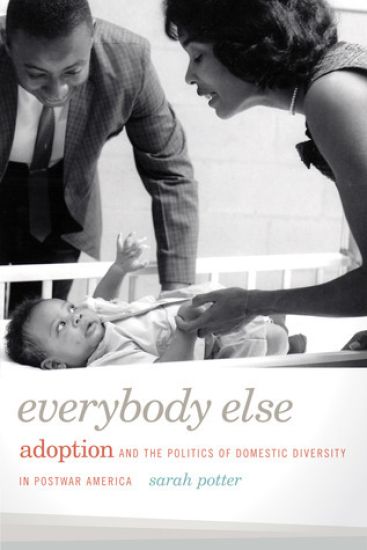
Everybody Else

Everybody Else

Sarah Potter

University of Georgia Press
2014
sidottu
In the popular imagination, the twenty years after World War II are associated with simpler, happier, more family-focused living. We think of stereotypical baby boom families like the Cleavers—white, suburban, and well on their way to middle-class affluence. For these couples and their children, a happy, stable family life provided an antidote to the anxieties and uncertainties of the emerging nuclear age.But not everyone looked or lived like the Cleavers. For those who could not have children, or have as many children as they wanted, the postwar baby boom proved a source of social stigma and personal pain. Further, in 1950 roughly one in three Americans made below middle-class incomes, and over fifteen million lived under Jim Crow segregation. For these individuals, home life was not an oasis but a challenge, intimately connected to the era’s many political and social upheavals.Everybody Else provides a comparative analysis of diverse postwar families and examines the lives and case records of men and women who applied to adopt or provide pre-adoptive foster care in the 1940s and 1950s. It considers an array of individuals—both black and white, middle and working class—who found themselves on the margins of a social world that privileged family membership. These couples wanted adoptive and foster children in order to achieve a sense of personal mission and meaning, as well as a deeper feeling of belonging to their communities. But their quest for parenthood also highlighted the many inequities of that era. These individuals’ experiences seeking children reveal that the baby boom family was about much more than “togetherness” or a quiet house in the suburbs; it also shaped people’s ideas about the promises and perils of getting ahead in postwar America.
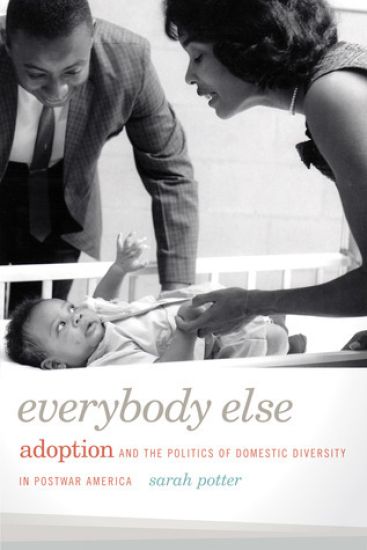
Everybody Else

Everybody Else

Sarah Potter

University of Georgia Press
2014
pokkari
In the popular imagination, the twenty years after World War II are associated with simpler, happier, more family-focused living. We think of stereotypical baby boom families like the Cleavers—white, suburban, and well on their way to middle-class affluence. For these couples and their children, a happy, stable family life provided an antidote to the anxieties and uncertainties of the emerging nuclear age.But not everyone looked or lived like the Cleavers. For those who could not have children, or have as many children as they wanted, the postwar baby boom proved a source of social stigma and personal pain. Further, in 1950 roughly one in three Americans made below middle-class incomes, and over fifteen million lived under Jim Crow segregation. For these individuals, home life was not an oasis but a challenge, intimately connected to the era’s many political and social upheavals.Everybody Else provides a comparative analysis of diverse postwar families and examines the lives and case records of men and women who applied to adopt or provide pre-adoptive foster care in the 1940s and 1950s. It considers an array of individuals—both black and white, middle and working class—who found themselves on the margins of a social world that privileged family membership. These couples wanted adoptive and foster children in order to achieve a sense of personal mission and meaning, as well as a deeper feeling of belonging to their communities. But their quest for parenthood also highlighted the many inequities of that era. These individuals’ experiences seeking children reveal that the baby boom family was about much more than “togetherness” or a quiet house in the suburbs; it also shaped people’s ideas about the promises and perils of getting ahead in postwar America.