Kirjojen hintavertailu. Mukana 11 538 769 kirjaa ja 12 kauppaa.

Kirjahaku

Etsi kirjoja tekijän nimen, kirjan nimen tai ISBN:n perusteella.

7 kirjaa tekijältä Sean Byrne

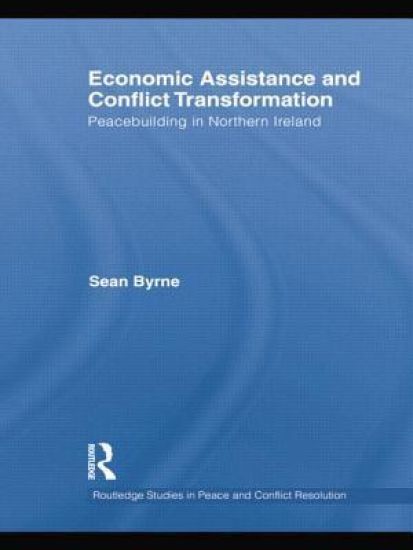
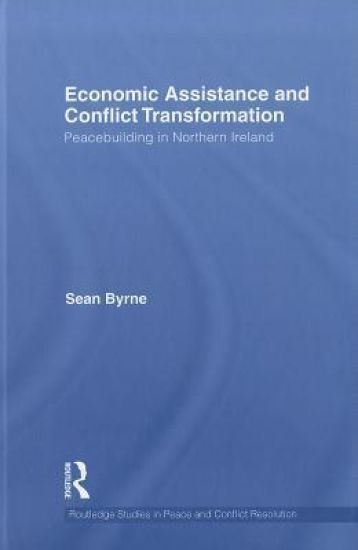
Economic Assistance and Conflict Transformation
This book examines the role of economic aid in the management and resolution of protracted ethnic conflicts, focusing on the case study of Northern Ireland.The book describes the results of a study of the role of economic aid within Northern Ireland, through the viewpoints of citizens collected in an opinion poll as well as community group leaders whose projects received funding, funding-agency civil servants and development officers. The study explains the importance of economic and social development in promoting cross-community contact as well as within single-identity communities, and the need for a multitrack intervention approach to transform the conflict in Northern Ireland. It makes an important contribution to our understanding of how economic assistance impacts on a divided society with a history of protracted violence and provides important perspectives on the "peace through development" idea. One of the key unanswered questions relating to economic aid and preventing future violence is that of the significance of external economic aid in building peace after violence. By examining the respondents’ political imagery, this book expands on existing work on economic aid and peace building in other societies coming out of violence. Northern Ireland’s changing social-economic and political context reflects the fact that economic aid and sustainable economic development is a cornerstone of the peacebuilding process. The goal of the book is to provide a foundational knowledge base for students and practitioners about the role of economic aid in building the peace dividend in post-accord societies. The book will be of great interest to students of conflict resolution, peacebuilding, Irish politics, peace and conflict studies, and politics and IR in general.
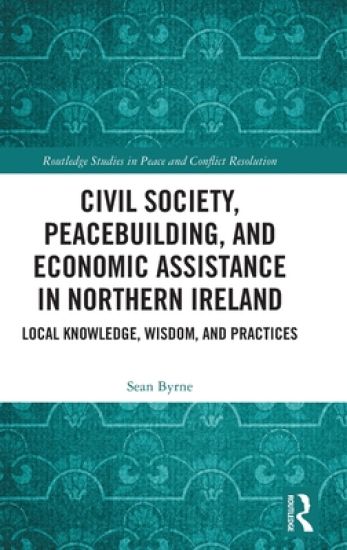
Civil Society, Peacebuilding, and Economic Assistance in Northern Ireland
This book examines the role of local peacebuilders in Northern Ireland and some of the challenges they face. The work explores the perspective and experiences of local peacebuilders in Northern Ireland and the border counties of the Republic of Ireland about their analysis and critique of liberal peacebuilding, their hopes, and concerns, and how they are aligned with external funders. It features interviews with a plethora of civil society organization workers, funding agency community development officers, and civil servants adjudicating the International Fund for Ireland and the European Union Peace and Rconciliation Fund, which highlight the participants’ local wisdom, practices, and values regarding creating sustainable livelihoods, peacebuilding insights, receiving recognition for their work, dissonance with internal and external actors, conflict transformation efforts, and and engagement with partners and allies. The rich empirical qualitative exploratory case study, situated in post-peace accord Northern Ireland and the border counties of the Republic of Ireland, speaks to the respondents’ ideas about the creation, delivery, and efficacy of peacebuilding-funded initiatives as well as their hopes and dreams for the future. In exploring this central argument, the work offers an overarching structure in which to analyze the theory and praxis of conflict and peacebuilding in Northern Ireland. More generally, it offers an important contribution to our understanding of local peacebuilders, and how economic assistance impacts on a divided society.This book will be of much interest to students of peacebuilding, conflict resolution, sociology, and British and Irish politics.
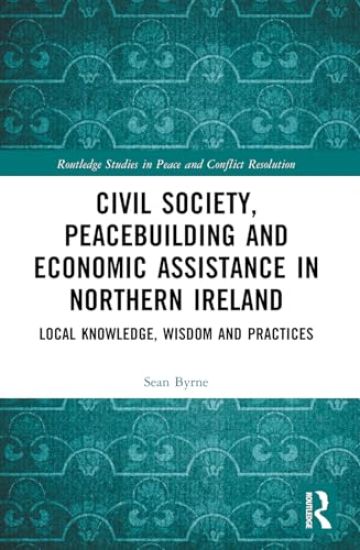
Civil Society, Peacebuilding, and Economic Assistance in Northern Ireland
This book examines the role of local peacebuilders in Northern Ireland and some of the challenges they face. The work explores the perspective and experiences of local peacebuilders in Northern Ireland and the border counties of the Republic of Ireland about their analysis and critique of liberal peacebuilding, their hopes, and concerns, and how they are aligned with external funders. It features interviews with a plethora of civil society organization workers, funding agency community development officers, and civil servants adjudicating the International Fund for Ireland and the European Union Peace and Rconciliation Fund, which highlight the participants’ local wisdom, practices, and values regarding creating sustainable livelihoods, peacebuilding insights, receiving recognition for their work, dissonance with internal and external actors, conflict transformation efforts, and and engagement with partners and allies. The rich empirical qualitative exploratory case study, situated in post-peace accord Northern Ireland and the border counties of the Republic of Ireland, speaks to the respondents’ ideas about the creation, delivery, and efficacy of peacebuilding-funded initiatives as well as their hopes and dreams for the future. In exploring this central argument, the work offers an overarching structure in which to analyze the theory and praxis of conflict and peacebuilding in Northern Ireland. More generally, it offers an important contribution to our understanding of local peacebuilders, and how economic assistance impacts on a divided society.This book will be of much interest to students of peacebuilding, conflict resolution, sociology, and British and Irish politics.
Economic Assistance and Conflict Transformation
This book examines the role of economic aid in the management and resolution of protracted ethnic conflicts, focusing on the case study of Northern Ireland.The book describes the results of a study of the role of economic aid within Northern Ireland, through the viewpoints of citizens collected in an opinion poll as well as community group leaders whose projects received funding, funding-agency civil servants and development officers. The study explains the importance of economic and social development in promoting cross-community contact as well as within single-identity communities, and the need for a multitrack intervention approach to transform the conflict in Northern Ireland. It makes an important contribution to our understanding of how economic assistance impacts on a divided society with a history of protracted violence and provides important perspectives on the "peace through development" idea. One of the key unanswered questions relating to economic aid and preventing future violence is that of the significance of external economic aid in building peace after violence. By examining the respondents’ political imagery, this book expands on existing work on economic aid and peace building in other societies coming out of violence. Northern Ireland’s changing social-economic and political context reflects the fact that economic aid and sustainable economic development is a cornerstone of the peacebuilding process. The goal of the book is to provide a foundational knowledge base for students and practitioners about the role of economic aid in building the peace dividend in post-accord societies. The book will be of great interest to students of conflict resolution, peacebuilding, Irish politics, peace and conflict studies, and politics and IR in general.
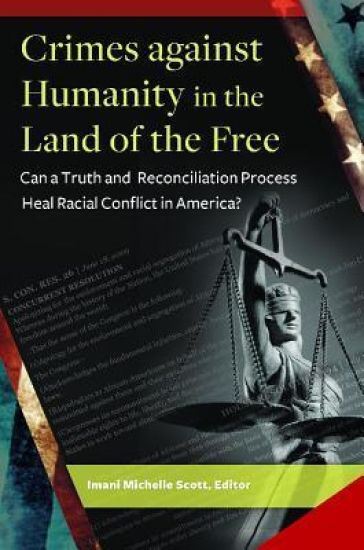
Crimes against Humanity in the Land of the Free

Crimes against Humanity in the Land of the Free

Sean Byrne

Praeger Publishers Inc
2014
sidottu
This vital book considers the compelling and addictive hold that racism has had on centuries of Americans, explores historical and contemporary norms complicit in the problem, and appeals to the U.S. government to improve race relations, rectify existent social imperfections, and guard against future race-based abuses.Despite an assertion by the founding fathers that "all men are created equal" and the Fourteenth Amendment to the U.S. Constitution that guarantees "equal protection," the race-based oppression that has characterized most of America's history shows that in practice our society has rarely measured up to principle. Why has deep-seated racial conflict in America continued for so long? This unprecedented examination into the topic explores the evidence and consequences of what seems to be an "addiction" to racism in the United States, analyzing the related disconnect between our nation's stated moral principles and social realities, and assessing how U.S. citizens of all races can take individual action to start the long-needed healing process.The contributors to this work present interdisciplinary perspectives and discussions on American history, politics, philosophy, and 21st-century psycho-social conditions as they relate to the oppression, social injustice, and racism that have occurred—and continue to occur—in the United States. The discussions allow readers to grasp the serious challenges at hand and direct them towards recognizing the potential for conflict transformation and reconciliation through a non-conventional co-created Truth, Reconciliation, and Peace Process (TRPP) to begin resolving America's dysfunction. This is essential reading for anyone who seeks to understand the sources of perpetual racially based conflict, disparity, and hatred in the United States; identify the social injuries of exposure to centuries of racism; move America towards harmonious interracial relationships; and improve its international standing as a peace-building nation that is truly committed to human rights throughout the world.
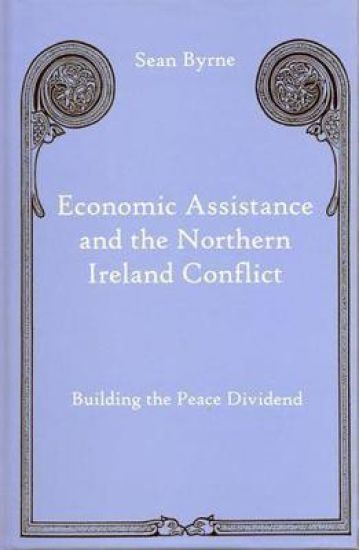
Economic Assistance and the Northern Ireland Conflict

Economic Assistance and the Northern Ireland Conflict

Sean Byrne

Fairleigh Dickinson University Press
2008
sidottu
This study explores images of economic assistance to explain the importance of tailoring such assistance to the distinctive social needs of the targeted communities, and how third parties must consider and include local perspectives in their attempts to build a lasting peace. The book makes an important contribution to our understanding of how economic assistance impacts a divided society with a history of protracted violence. The stories reflect the importance of community development and cross-community contact through joint economic, peace and justice, and social development projects. Byrne's research brings to light a vision of how the impact and delivery of IFI and EU Peace I aid is assisting in building the peace dividend in Northern Ireland. One of the key unanswered questions related to economic aid and preventing future violence is what is the significance and importance of external economic aid in building the peace after violence. By examining the respondents' political imagery, this project significantly expands existing work on economic aid and peace building in other societies coming out of violence. Northern Ireland's changing social-economic and political context reflects the fact that economic aid and sustainable economic development is a cornerstone of the peace-building process.
Open Mick's Lyrical Bollards

Open Mick's Lyrical Bollards

Sean Byrne

William Cornelius Harris Publishing
2025
pokkari
Open Mick's Lyrica Bollard by Sean Byrne Sean Byrne's Open Mick's Lyrica Bollard is a lyrical love letter to the open mic stage-a place where vulnerability meets bravado, and poetry finds its pulse in the room. This collection hums with the energy of live performance, each poem a spotlight moment that invites us to lean in, laugh, ache, and applaud. Byrne's voice is raw, rhythmic, and refreshingly unpretentious. He captures the spirit of community and chaos that defines grassroots poetry nights, where bollards become metaphors and mics become lifelines. Whether he's riffing on urban grit or spinning tales of lyrical misfits, Byrne's work is both grounded and gloriously offbeat. This isn't just a book-it's a backstage pass to the soul of spoken word. If you've ever scribbled verses on a napkin or clapped for a stranger's truth, Open Mick's Lyrica Bollard