Kirjojen hintavertailu. Mukana 11 627 067 kirjaa ja 12 kauppaa.

Kirjahaku

Etsi kirjoja tekijän nimen, kirjan nimen tai ISBN:n perusteella.

7 kirjaa tekijältä Sean Scalmer

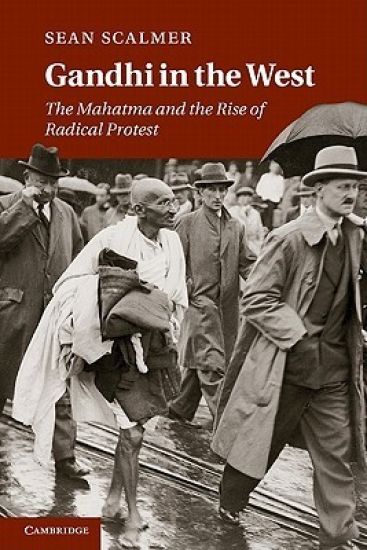
Gandhi in the West

Gandhi in the West

Sean Scalmer

Cambridge University Press
2011
pokkari
The non-violent protests of civil rights activists and anti-nuclear campaigners during the 1960s helped to redefine Western politics. But where did they come from? Sean Scalmer uncovers their history in an earlier generation's intense struggles to understand and emulate the activities of Mahatma Gandhi. He shows how Gandhi's non-violent protests were the subject of widespread discussion and debate in the USA and UK for several decades. Though at first misrepresented by Western newspapers, they were patiently described and clarified by a devoted group of cosmopolitan advocates. Small groups of Westerners experimented with Gandhian techniques in virtual anonymity and then, on the cusp of the 1960s, brought these methods to a wider audience. The swelling protests of later years increasingly abandoned the spirit of non-violence, and the central significance of Gandhi and his supporters has therefore been forgotten. This book recovers this tradition, charts its transformation, and ponders its abiding significance.
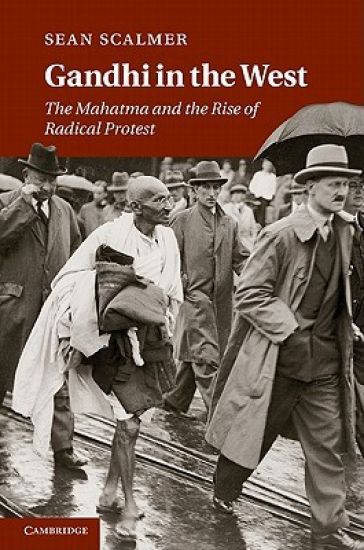
Gandhi in the West

Gandhi in the West

Sean Scalmer

Cambridge University Press
2011
sidottu
The non-violent protests of civil rights activists and anti-nuclear campaigners during the 1960s helped to redefine Western politics. But where did they come from? Sean Scalmer uncovers their history in an earlier generation's intense struggles to understand and emulate the activities of Mahatma Gandhi. He shows how Gandhi's non-violent protests were the subject of widespread discussion and debate in the USA and UK for several decades. Though at first misrepresented by Western newspapers, they were patiently described and clarified by a devoted group of cosmopolitan advocates. Small groups of Westerners experimented with Gandhian techniques in virtual anonymity and then, on the cusp of the 1960s, brought these methods to a wider audience. The swelling protests of later years increasingly abandoned the spirit of non-violence, and the central significance of Gandhi and his supporters has therefore been forgotten. This book recovers this tradition, charts its transformation, and ponders its abiding significance.
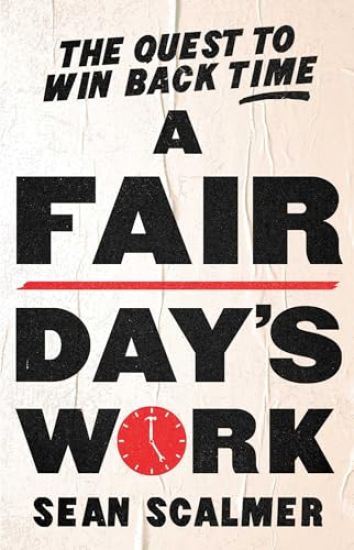
A Fair Day's Work

A Fair Day's Work

Sean Scalmer

MELBOURNE UNIVERSITY PRESS
2025
pokkari
The length of the working day and the challenges of work-life balance are pressing issues for many Australians, as well as lively matters of public controversy. While the winning of the eight-hour day is celebrated as a past industrial achievement, contemporary discussions of working hours often overlook its rich history. Tracing 150 years of campaigns for rights and for the fair distribution of productivity gains, historian Sean Scalmer shows how these movements successfully reduced the length of the standard working week from 60 to 38 hours per week, and how economic, social and political shifts since the early 1980s have stalled this long-term progress. Today, industrial laws provide inadequate protection for excessive hours, and Australian women increasingly shoulder long hours of paid work with the bulk of unpaid domestic labour. This has produced a social crisis for all Australians, but is yet to inspire adequate political action. As debate over our working lives intensifies amid ongoing political, economic and technological challenges, Scalmer's labour of love on the history of work and play affords us a way to understand the past so we can win back our time-collectively.
On the Stump

On the Stump

Sean Scalmer

Temple University Press,U.S.
2017
sidottu
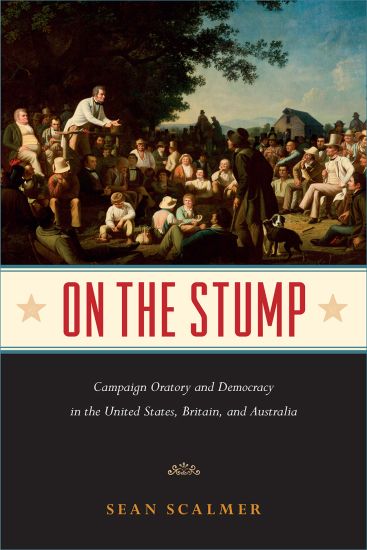
"Stumping," or making political speeches in favor of a candidate, cause, or campaign has been around since before the 1800s, when speechmaking was frequently portrayed as delivered from the base of a tree. The practice, which has been strongly associated with the American frontier, British agitators, and colonial Australia, remains an effective component of contemporary democratic politics. In his engaging book On the Stump, Sean Scalmer provides the first comprehensive, transnational history of the "stump speech." He traces the development and transformation of campaign oratory, as well as how national elections and public life and culture have been shaped by debate over the past century. Scalmer presents an eloquent study of how "stumping" careers were made, sustained, remembered, and exploited, to capture the complex rhythms of political change over the years. On the Stump examines the distinctive dramatic and performative styles of celebrity orators including Davy Crockett, Henry Clay, and William Gladstone. Ultimately, Scalmer recovers the history of the stump speech and its historical significance in order to better understand how political change is forged.
On the Stump

On the Stump

Sean Scalmer

Temple University Press,U.S.
2017
pokkari
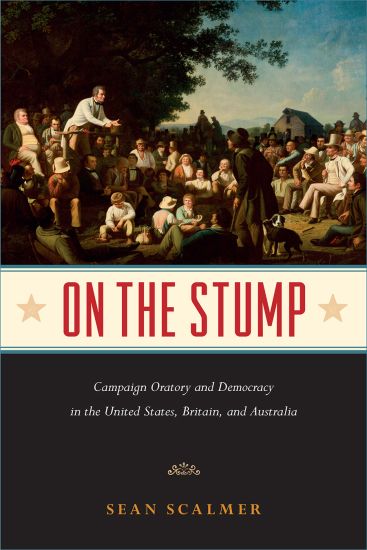
"Stumping," or making political speeches in favor of a candidate, cause, or campaign has been around since before the 1800s, when speechmaking was frequently portrayed as delivered from the base of a tree. The practice, which has been strongly associated with the American frontier, British agitators, and colonial Australia, remains an effective component of contemporary democratic politics. In his engaging book On the Stump, Sean Scalmer provides the first comprehensive, transnational history of the "stump speech." He traces the development and transformation of campaign oratory, as well as how national elections and public life and culture have been shaped by debate over the past century. Scalmer presents an eloquent study of how "stumping" careers were made, sustained, remembered, and exploited, to capture the complex rhythms of political change over the years. On the Stump examines the distinctive dramatic and performative styles of celebrity orators including Davy Crockett, Henry Clay, and William Gladstone. Ultimately, Scalmer recovers the history of the stump speech and its historical significance in order to better understand how political change is forged.