
Kirjahaku
Etsi kirjoja tekijän nimen, kirjan nimen tai ISBN:n perusteella.
14 kirjaa tekijältä Sean Sheehan
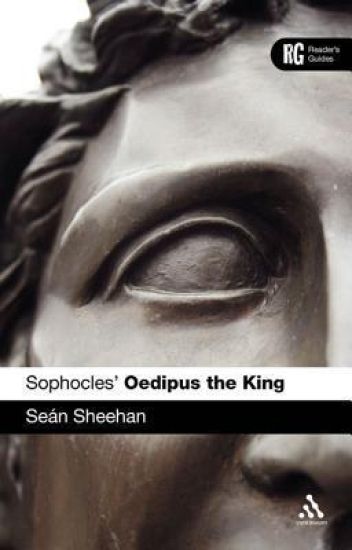
Described as the Mona Lisa of literature and the world's first detective story, Sophocles' Oedipus the King is a major text from the ancient Greek world and an iconic work of world literature. Aristotle's favourite play, lauded by him as the exemplary Athenian tragedy, Oedipus the King has retained its power both on and off the stage. Before Freud's famous interpretation of the play - an appropriation, some might say - Hlderlin and Nietzsche recognised its unique qualities. Its literary worth is undiminished, philosophers revel in its probing into issues of freedom and necessity and Lacan has ensured its vital significance for post-Freudian psychoanalysis. This Reader's Guide begins with Oedipus as a figure from Greek mythology before focusing on fifth-century Athenian tragedy and the meaning of the drama as it develops scene by scene on the stage. The book covers the afterlife of the play in depth and provides a comprehensive guide to further reading for students.

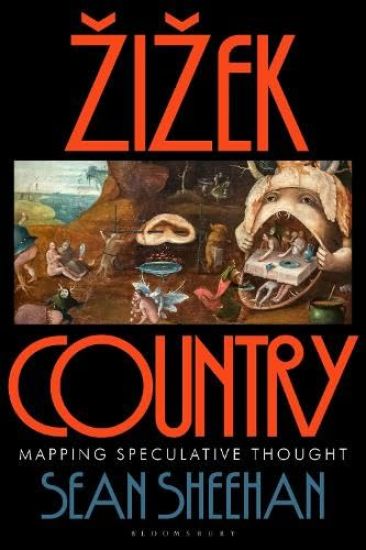
One of the most widely-read thinkers writing today, Slavoj Zizek's work can be both thrilling and perplexing in equal measure. Zizek: A Guide for the Perplexed is the most up-to-date guide available for readers struggling to master the ideas of this hugely influential thinker. Unpacking the philosophical references that fill Zizek's writings, the book explores his influences, including Lacan, Kant, Hegel and Marx. From there, a chapter on 'Reading Zizek' guides the reader through the ways that he applies these core theoretical concepts in key texts like Tarrying With the Negative, The Ticklish Subject and The Parrallax View and in his books about popular culture like Looking Awry and Enjoy Your Symptom! Major secondary writings and films featuring Zizek are also covered.

One of the most widely-read thinkers writing today, Slavoj Zizeks work can be both thrilling and perplexing in equal measure. Zizek: A Guide for the Perplexed is the most up-to-date guide available for readers struggling to master the ideas of this hugely influential thinker. Unpacking the philosophical references that fill Zizeks writings, the book explores his influences, including Lacan, Kant, Hegel and Marx. From there, a chapter on Reading Zizek guides the reader through the ways that he applies these core theoretical concepts in key texts like Tarrying With the Negative, The Ticklish Subject and The Parrallax View and in his books about popular culture like Looking Awry and Enjoy Your Symptom! Major secondary writings and films featuring Zizek are also covered.
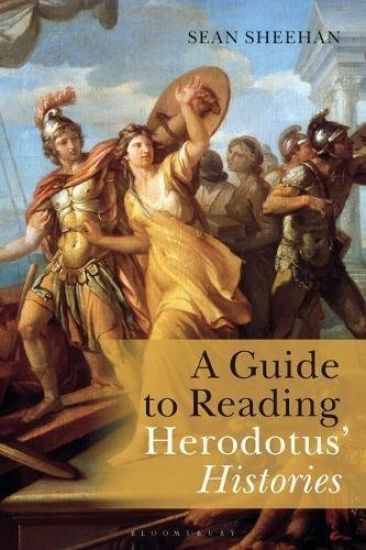
Modern scholarship judges Herodotus to be a more complex writer than his past readers supposed. His Histories is now being read in ways that are seemingly incompatible if not contradictory. This volume interrogates the various ways the text of the Histories has been and can be read by scholars: as the seminal text of our Ur-historian, as ethnology, literary art and fable. Our readings can bring out various guises of Herodotus himself: an author with the eye of a travel writer and the mind of an investigative journalist; a globalist, enlightened but superstitious; a rambling storyteller but a prose stylist; the so-called 'father of history' but in antiquity also labelled the 'father of lies'; both geographer and gossipmonger; both entertainer and an author whom social and cultural historians read and admire.Guiding students chapter-by-chapter through approaches as fascinating and often surprising as the original itself, Sean Sheehan goes beyond conventional Herodotus introductions and instead looks at the various interpretations of the work, which themselves shed light on the original. With text boxes highlighting key topics and indices of passages, this volume is an essential guide for students whether reading Herodotus for the first time, or returning to revisit this crucial text for later research.
Modern scholarship judges Herodotus to be a more complex writer than his past readers supposed. His Histories is now being read in ways that are seemingly incompatible if not contradictory. This volume interrogates the various ways the text of the Histories has been and can be read by scholars: as the seminal text of our Ur-historian, as ethnology, literary art and fable. Our readings can bring out various guises of Herodotus himself: an author with the eye of a travel writer and the mind of an investigative journalist; a globalist, enlightened but superstitious; a rambling storyteller but a prose stylist; the so-called 'father of history' but in antiquity also labelled the 'father of lies'; both geographer and gossipmonger; both entertainer and an author whom social and cultural historians read and admire.Guiding students chapter-by-chapter through approaches as fascinating and often surprising as the original itself, Sean Sheehan goes beyond conventional Herodotus introductions and instead looks at the various interpretations of the work, which themselves shed light on the original. With text boxes highlighting key topics and indices of passages, this volume is an essential guide for students whether reading Herodotus for the first time, or returning to revisit this crucial text for later research.
This is a student-friendly guide enabling the new reader of "Ulysses" to understand, analyse and appreciate the most famous, and famously 'difficult', novel of the twentieth century. "Ulysses" remains less widely read than most texts boasting such a canonical status, largely due to misunderstanding about how to read it, and this guide provides an easy-to-follow remedy. By showing how Joyce reacted to the historical and cultural context in which he was situated, the radical nature of his use of language is laid bare in a chapter-by-chapter analysis of "Ulysses". This approach enables the student reader to read and enjoy the novel's plurality of styles and to understand the terms of critical debate surrounding the nature and significance of Joyce's novel. Continuum "Reader's Guides" are clear, concise and accessible introductions to key texts in literature and philosophy. Each book explores the themes, context, criticism and influence of key works, providing a practical introduction to close reading, guiding students towards a thorough understanding of the text. They provide an essential, up-to-date resource, ideal for undergraduate students.
Ulysses remains less widely read than most texts boasting such a canonical status, largely due to misunderstanding about how to read it, and this guide provides an easy to follow remedy. By showing how Joyce reacted to the historical and cultural context in which he was situated, the radical nature of his use of language is laid bare in a chapter-by-chapter analysis of Ulysses. This approach enables the student reader to read and enjoy the novel's plurality of styles and to understand the terms of critical debate surrounding the nature and significance of Joyce's novel.
Anarchism re-emerged on the world stage at the end of 1999 on the streets of Seattle when the World Trade Organization was brought close to collapse. Anarchist groups shared pavement space with environmentalists, pacifists and a whole host of other groups. The anti-capitalism, anti-globalization movement can be seen as a post-Cold War development, rejecting the terms of the old debate whether capitalism or Soviet-style Communism. This new oppositional voice is allied to anarchism not just because specific anarchist groups are part of the movement, sharing a common criticism of the status quo, but also in a broader sense arising from the non-hierarchical nature of the movement and its rejection of traditional party politics. "Anarchism" is as much an attitude as it is a set of formulated doctrines and in this book Sean Sheehan provides an engaging introduction to what anarchism means, describing its history through anecdote and dramatic events, and offering explanations of the issues behind this movement'. He avoids a narrowly political or polemical viewpoint, using examples from all over the world and images from anarchist-inspired ideas and forms. Anarchist thinking and influences emerge in many different aspects of contemporary culture and history, and the author looks at instances in areas of political thought, history of ideas, philosophy, theories of education and ecology, as well as film and literary criticism. Systems of thought such as Buddhism and Taoism, art movements such as Dada and Surrealism, literary treatments of anarchist ideas in the work of Blake, Wilde, Whitman, Kafka and Eugene O'Neill, anarchism in relation to sex and psychology in the work of Reich and Fromm, as well as aspects of Nietzsche's philosophy as expressions of anarchist individualism all these and other topics are also tackled. This combination of history, anecdote and cultural analysis is an informative and lively study that is guaranteed to provoke debate.
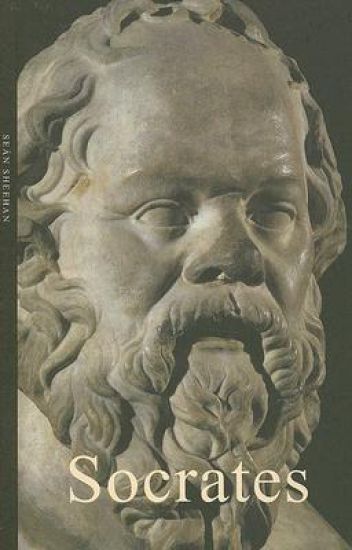
The ancient world of fifth century Greece, an astonishing period of cultural development that helps situate the originality of Socrates, and to the city-state of Athens in particular. The social, political and cultural currents flowing through Athens are inseparable from an understanding of the events and attitudes that Socrates examined and intellectually dissected.
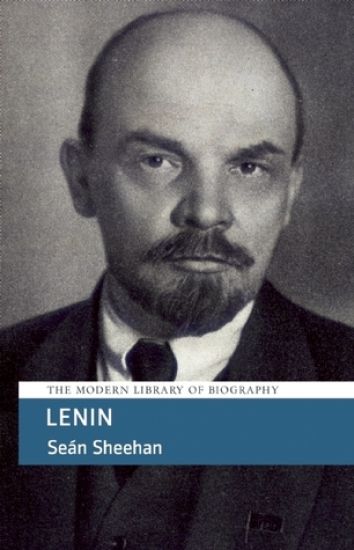
"Views of Lenin" are currently set in a tone of highly judgemental opinion: he was inflexible, doctrinaire and a cold-blooded revolutionary. A man whose indifference to culture led to political extremes, paving the way for his successor Stalin's totalitarianism and some of the most heinous and gruesome ideological crimes committed during the 20th century. Enshrined as an icon of Soviet ideology and power, the statues of Lenin that were once a common sight across Eastern Europe and Russia have been toppled and his reputation crumbled into the dust of historical memory. This short "Life & Times" biography of Lenin sets out to examine his legacy in the light of the complete and total collapse of the ideology he espoused. Sheehan seeks to separate the myth from the fact, and let the real Lenin emerge from behind the opposing shrouds of deification and condemnation, revealing the creator of the 20th century's most influential yet bloodthirsty beliefs.
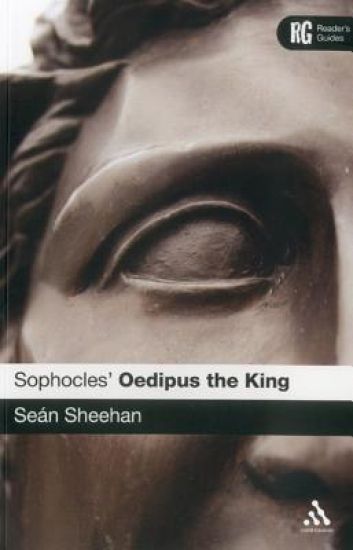
This is an essential overview of this influential Greek drama, enabling students to confidently read the play in depth and understand its unique cultural status. Described as the Mona Lisa literature and the world's first detective story, Sophocles' "Oedipus the King" is a major text from the ancient Greek world and an iconic work of world literature. Aristotle's favourite play, lauded by him as the exemplary Athenian tragedy, "Oedipus the King" has retained its power both on and off the stage. Before Freud's famous interpretation of the play - an appropriation, some might say - Holderlin and Nietzsche recognised its unique qualities. Its literary worth is undiminished, philosophers revel in its probing into issues of freedom and necessity and Lacan has ensured its vital significance for post-Freudian psychoanalysis. This "Reader's Guide" begins with "Oedipus" as a figure from Greek mythology before focusing on fifth-century Athenian tragedy and the meaning of the drama as it develops scene by scene on the stage. The book covers the afterlife of the play in depth and provides a comprehensive guide to further reading for students. "Continuum Reader's Guides" are clear, concise and accessible introductions to key texts in literature and philosophy. Each book explores the themes, context, criticism and influence of key works, providing a practical introduction to close reading, guiding students towards a thorough understanding of the text. They provide an essential, up-to-date resource, ideal for undergraduate students.